
10 best ESG reporting tool options for sustainable business growth

Key Takeaways
Choosing the right reporting platform helps transition sustainability initiatives from manual data tracking to strategic performance management. Utilizing specialized software reduces human error, provides audit-ready trails, and ensures alignment with evolving global environmental regulations.
- Centralizing disparate data improves accuracy for ESG reporting.
- Audit-ready records simplify interactions with stakeholders and regulatory bodies.
- Automated tracking saves significant time compared to spreadsheet-based methods.
- Consistent ESG performance metrics support long-term decarbonization and growth.
- Software solutions enable scalable compliance across diverse global jurisdictions.
1. Workiva
Workiva offers a comprehensive platform designed to streamline the complexities of financial and non-financial reporting. Businesses can manage their diverse sustainability data alongside traditional annual reporting processes through an integrated interface. This capability allows teams to maintain high levels of data integrity while collaborating across internal departments effectively.
Organizations can explore Microsoft's approach to ESG reporting to understand how global leaders navigate these complex regulatory landscapes. By consolidating ESG information into a single source of truth, teams focus less on gathering data and more on analyzing performance trends. This shift in operational focus helps leadership make informed decisions about their sustainability trajectory.
For growing firms, the platform scales to support evolving disclosure requirements. It provides the necessary tools for audit readiness, ensuring that every data point is traceable back to its origin. This level of reliability is critical when companies need to provide transparent, verifiable results to their boards and external investors.
2. Watershed

Watershed is the leading Watershed platform for sustainability, empowering firms to measure environmental impacts with high precision. By providing access to extensive emissions factors, it allows organizations to calculate everything from carbon footprints to broader resource usage. This systematic approach ensures that calculations remain consistent and defendable for reporting purposes.
Teams benefit from AI-powered drafting features that accelerate the creation of reports for various frameworks. This technology assists in synthesizing complex data into clear, manageable summaries. By reducing the administrative burden, sustainability teams can devote more energy to identifying actionable decarbonization pathways within their specific operations.
Integration with existing financial systems allows for a more holistic view of performance. When data flows seamlessly between systems, organizations avoid common pitfalls such as information silos. This platform simplifies the process of achieving audit readiness while fostering a culture of accountability throughout the firm.
3. Envizi
Envizi's ESG Reporting software allows enterprises to simplify their entire sustainability documentation journey within one workspace. By enabling value chain stakeholders to contribute their own data directly into a unified portal, the platform reduces manual entry errors. This collaborative feature enhances the speed of data collection while maintaining high standards of verification.
Audit trails are automatically generated as information enters the system, minimizing the manual work required before external reviews. Providing auditors with direct access reduces the back-and-forth typically associated with collecting evidence. This streamlined access ensures that companies demonstrate transparency without creating unnecessary friction for their teams.
Data health checks remain active to notify managers of potential discrepancies early, which helps keep records clean. The ability to monitor progress against sustainability targets in real-time gives management a clear view of their operational goals. For businesses aiming to stay compliant, these tools provide a stable foundation for ongoing performance disclosures.
4. Persefoni
Persefoni provides a standardized environment for calculating and reporting on carbon footprints. By focusing on the nuances of climate disclosure, it assists companies in translating their emissions data into relevant metrics. This clarity helps leadership teams understand their climate risk exposure according to global standards.
Large enterprises often struggle with the sheer volume of data across international subsidiaries. Persefoni organizes this information to support compliance with evolving legislation. By keeping definitions consistent across the board, the software prevents the common errors that stem from using varying measurement methods in different locations.
Efficiency gains come from the platform's ability to automate repetitive calculations throughout the year. Rather than scrambling to catch up during reporting seasons, users maintain a continuous flow of information. This stability promotes a more proactive stance toward meeting environmental commitments and managing operational risks.
5. Diligent
Diligent offers integrated solutions that combine governance, risk management, and ESG performance tracking. By connecting sustainability initiatives to corporate governance frameworks, the company helps leadership maintain focus on total business health. This connection is vital for executives who need to communicate ESG performance as a core component of their value proposition.
Data collection is tailored to meet various reporting requirements, making it useful for companies that operate in highly regulated industries. By focusing on transparency and accessibility, Diligent helps teams prepare for stakeholders who demand verifiable metrics. The interface acts as a central hub where all relevant documentation resides securely for future retrieval.
Monitoring performance allows companies to spot trends before they become compliance issues. By keeping a close watch on key metrics, management addresses gaps in their strategy promptly. This proactive management style strengthens trust with investors who prioritize performance and adherence to governance standards.
6. Benchmark ESG
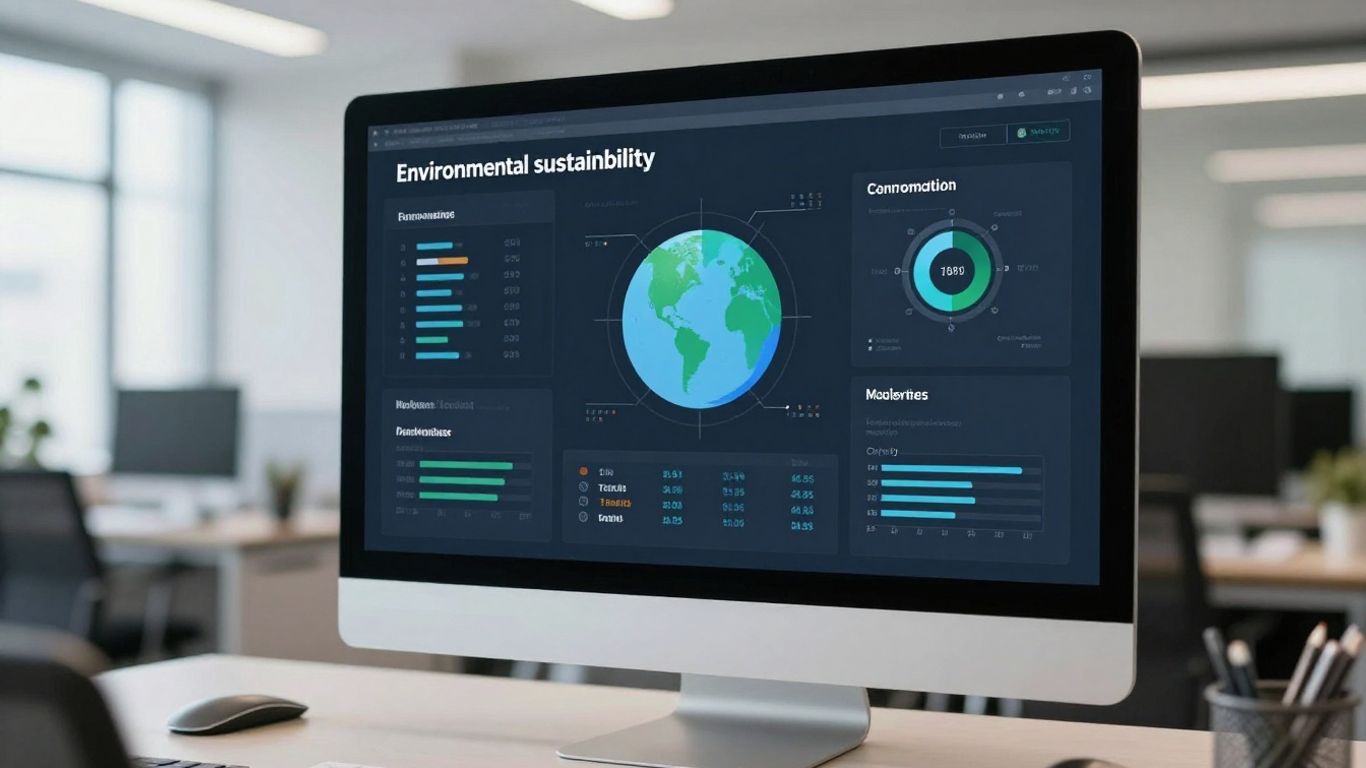
Benchmark ESG provides a structured way to manage compliance and environmental performance across diverse sites. By utilizing a common platform, teams ensure that data collection methods remain identical, regardless of the facility location. This consistent approach simplifies the aggregation process, leading to more reliable company-wide reports.
Modern tools like this offer the flexibility to handle both manual inputs and large, complex datasets automatically. Users can track performance against specific sustainability KPIs, ensuring that no metric is overlooked during internal reviews. This visibility allows teams to identify high-performing sites and share their practices with others.
Building confidence in your data means keeping records that are audit-proof and easy to navigate. By maintaining a clean audit trail, organizations demonstrate that their sustainability progress is built on solid evidence. This level of rigor helps boards of directors and external evaluators achieve a clear understanding of the company's long-term environmental commitment.
7. Salesforce Net Zero Cloud
Salesforce Net Zero Cloud provides an interface for tracking and reporting on carbon emissions alongside other vital operational data. By utilizing existing customer relation tools, it helps businesses integrate sustainability data with their wider enterprise resource planning. This unified view helps firms see how operational changes affect their emissions profile over time.
Teams can quickly visualize their progress through customizable dashboards that highlight energy consumption and carbon intensity. By automating the calculation process, the software frees employees to focus on strategic improvement rather than rote calculations. This increase in efficiency allows for more frequent monitoring and adjustment of sustainability goals.
When information is integrated into a single system, communication with stakeholders becomes more seamless. Providing a single source for all ESG data simplifies the task of answering inquiries about performance. Companies find that this transparency helps them demonstrate genuine progress in their efforts to reduce their measured environmental impact in a sustainable way.
8. Intelex
Intelex provides modules for tracking everything from incident logs to complex environmental indicators. By focusing on the interconnectedness of safety and sustainability data, it builds a robust record of performance. This depth makes it a useful selection for industrial companies where compliance involves many moving parts.
Automation plays a central role in transforming raw data into useful reports. The platform identifies potential risks and captures necessary information in real-time, preventing the common data gaps that occur with delayed reporting. This real-time visibility ensures that managers always have an accurate picture of their sustainability status.
Maintaining a unified system helps in keeping all departments aligned on performance goals. When every team reports into the same architecture, the burden on individual sustainability managers is greatly reduced. This creates an environment where consistency is prioritized, helping to build a record that is ready for any regulatory challenge.
9. Cority
Cority focuses on integrating environmental, health, and safety data to provide a comprehensive look at organizational performance. By allowing teams to pull data from diverse sources, it supports detailed reporting that meets both voluntary and mandatory demands. This platform is frequently chosen by organizations that need to balance complex compliance needs with day-to-day operational visibility.
The integration capabilities allow firms to structure their internal reporting in ways that facilitate meaningful change. By focusing on quality and data integrity, teams transform their sustainability efforts into clear, defensible reports for auditors. This approach, supported by these tools, demonstrates that a firm cares about its environmental footprint.
Providing a consistent data foundation is essential for companies dealing with complex environmental laws. By using a platform that centralizes metrics, management ensures that every report reflects the current reality of the business. This leads to higher trust from stakeholders who rely on precise data for their own decision-making processes.
10. SAP Sustainability Control Tower
SAP Sustainability Control Tower offers a solution for connecting financial information with sustainability outcomes. It helps large organizations maintain alignment with global standards, ensuring that ESG data reflects the broader health of the business. By using this tool, leadership teams bridge the gap between financial targets and carbon reduction goals.
To ensure your sustainability data collection and analysis operate at maximum efficiency, consider these key operational steps for your team:
- Define clear data ownership across all global business units.
- Implement automated validation checks to catch input errors immediately.
- Regularly update reporting templates to reflect changing regulatory requirements.
- Integrate data from supply chain partners to improve internal visibility.
By following these steps, firms build more robust sustainability management systems that can withstand rigorous audit processes. The platform helps normalize information from international offices, preventing the fragmentation of data. This holistic view provides the leadership with the intelligence needed to drive measurable progress at scale.
Conclusion
Selecting the right ESG reporting tool is a significant decision that impacts an organization's ability to prove its progress and achieve long-term sustainability goals. By focusing on platforms that emphasize visibility, audit-ready data, and seamless integration with existing operations, leadership teams can ensure their environmental efforts are both credible and manageable as they grow.
Frequently Asked Questions
What are the main benefits of using specialized ESG reporting software?
Specialized software centralizes disparate data into a single source of truth, automates repetitive calculations, and creates audit-ready trails that simplify reporting for regulators and stakeholders.
Can my business integrate ESG software with existing financial systems?
Most modern platforms allow for integration with existing enterprise resource planning systems, which ensures sustainability data is aligned with broader operational and financial metrics.
How does ESG software help with audit readiness?
These platforms maintain complete data lineage and documentation history, providing auditors with direct, transparent access to the evidence required to verify corporate sustainability claims.
Does this software help with measuring Scope 3 emissions?
Many tools now offer specific capabilities for tracking and calculating Scope 3 emissions, helping companies gain visibility into the environmental impact of their entire supply chain and value network.
Should I prioritize tools that offer customizable analytics?
Yes, because customizable analytics allow companies to focus on the key performance indicators that are most material to their business and meet the specific transparency needs of their stakeholders.
How does this technology improve data accuracy compared to manual methods?
By replacing error-prone spreadsheets with automated data collection and validation checks, these systems minimize human error and ensure that metrics remain consistent across different global departments.
Can small businesses gain value from these automated reporting tools?
Smaller organizations benefit from automated reporting by significantly reducing the administrative time and cost required to manage initial environmental disclosures while simultaneously building a scalable foundation for future growth.
Get In Touch With Our Team
Finding the right plan tailored to your business needs is easier when you speak with someone who understands your data challenges. Book a demo today to discover how our platform can streamline your emissions tracking and simplify your regulatory reporting requirements.