

A guide to measuring and reducing your data center carbon footprint
Key Takeaways
Transitioning toward a sustainable infrastructure requires understanding the nuanced drivers behind energy consumption and digital emissions. These five points highlight the core path for modern facilities:
- Categorize emissions by scope to understand direct and indirect impacts.
- Prioritize baseline metrics such as Power Usage Effectiveness to identify inefficiencies.
- Extend hardware life cycles to reduce embodied carbon associated with procurement.
- Transition cooling infrastructure from air-based to liquid immersion for density.
- Leverage strategic energy procurement to stabilize the impact of grid reliance.
The components of data center carbon emissions
Data centers serve as the heartbeat of the modern internet, but their physical existence necessitates a significant environmental trade-off. To manage these impacts effectively, operators must dissect where emissions originate across the entirety of their organizational footprint. Understanding these sources is the first step toward building a sustainable future.
Scope 1 emissions: Direct sources from on-site facilities
These emissions stem directly from assets owned or controlled by the facility owner. This often includes backup power systems, such as diesel generators that kick in during grid interruptions, and fugitive emissions from refrigerants leaking out of cooling units. Many operators use Corporate Social Responsibility frameworks to minimize these direct outputs.
Scope 2 emissions: Indirect impacts from purchased electricity
Scope 2 represents the energy required to power servers, storage, and networking gear. This is usually the largest slice of the pie for most facilities. Because this electricity is purchased from the local utility grid, the specific energy mix—whether coal, natural gas, or solar—drives the overall data center carbon footprint for that location.
Scope 3 emissions: The hidden footprint of hardware and supply chains
These represent indirect emissions embedded in the lifecycle of physical equipment, from raw material extraction to final shipping. It is often the most difficult category to quantify because data resides with third-party vendors and external contractors. Utilizing Scope 1, 2, and 3 emissions accounting methods is essential for obtaining a clear picture of the extended value chain.
Critical metrics used to track environmental impact
Tracking progress requires standardized measurement tools. Operators must monitor energy consumption patterns alongside carbon intensity factors for their particular geography. Standardizing these inputs allows leadership to make informed decisions about infrastructure investment and operational adjustments.
Measuring your facility's carbon footprint
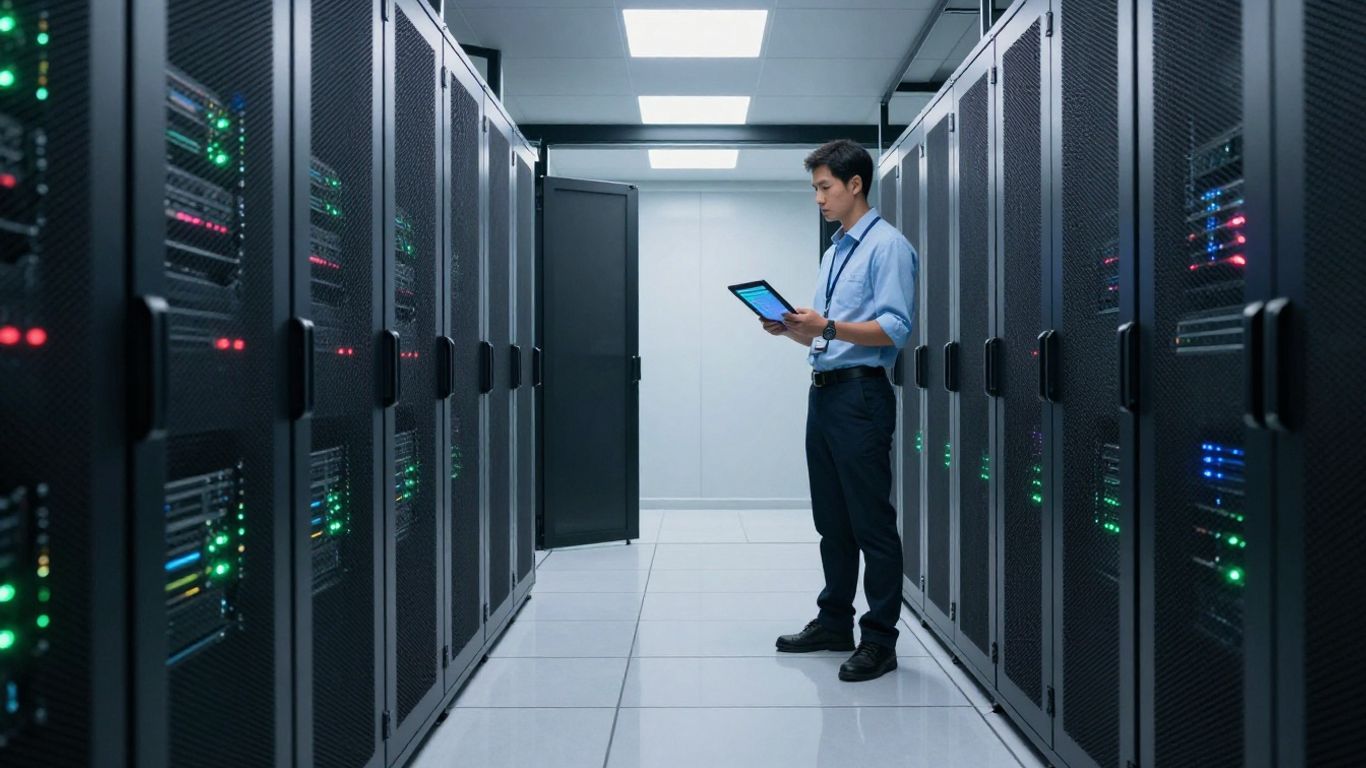
Visibility is the precursor to improvement. Facilities that fail to measure their baseline are often unaware of where energy waste is occurring or how their cooling settings correlate with actual load requirements. Establishing a regular auditing routine is non-negotiable for scaling responsibly.
Implementing Power Usage Effectiveness as a baseline
Power Usage Effectiveness provides the industry-standard ratio for total facility energy compared to the energy used by IT equipment. A lower number indicates that more power is reaching the servers rather than being lost to overhead. It is a fundamental measurement for any organization serious about reducing its operational waste.
Carbon Usage Effectiveness clarified
While PUE tracks power, Carbon Usage Effectiveness shifts the focus to the actual CO2 emissions associated with energy use. It accounts for the carbon intensity of the power supply at various times of day. This shift helps teams align their heaviest compute loads with local grid availability of low-carbon energy sources.
Water Usage Effectiveness and its link to carbon emissions
Water is often used for evaporative cooling, which makes it a critical secondary metric for sustainability. Excessive water consumption creates its own environmental strain that cannot be viewed in isolation from energy efficiency. High water usage often points to inefficient air-based cooling designs that require rapid heat rejection.
Selecting auditing tools and regional reporting standards
Choosing the right software for tracking ensures that your audits stand up to scrutiny. Accurate data collection simplifies the process of meeting corporate environmental reporting requirements across various jurisdictions. This level of rigor prevents the common pitfalls of inaccurate environmental impact assessments.
Strategies for hardware optimization
Server virtualization and containerization benefits
Virtualization allows a single physical machine to host multiple isolated environments, drastically increasing the percentage of utilization per server. By stacking services onto fewer physical units, teams reduce the total energy drawn while maintaining high throughput. This is the most efficient way to maximize the performance of existing assets before considering new purchases.
Extending hardware life cycles to mitigate embodied carbon
Manufacturing new units requires vast resources, meaning that the most sustainable server is the one you already own. Extending these life cycles delays the need for manufacturing and shipping new systems. Regular maintenance and software-based performance upgrades can often keep hardware viable for years beyond standard refresh cycles.
Selecting energy-efficient server and storage components
Modern hardware manufacturers now provide granular power profiles for their components. When procuring, teams should prioritize hardware that delivers high performance per watt rather than raw capability alone. This simple decision at the procurement stage impacts the total energy budget for the duration of the equipment's lifespan.
Managing idle resources to prevent unnecessary energy waste
Zombie servers that remain powered on while doing no productive work are a massive source of silent energy drain. Automated management platforms can help identify these idle units, allowing teams to consolidate workloads and shut down underutilized hardware. This is a practical, low-cost approach that immediately lowers the power required for cooling.
Infrastructure and cooling efficiency
Cooling systems are the most energy-intensive infrastructure beyond the IT components themselves. Traditional designs often rely on over-provisioning refrigeration, which leads to significant power loss. Modern, high-density environments are now shifting toward more surgical methods of thermal management to reduce the burden of moving heat.
Moving from air cooling to liquid immersion technologies
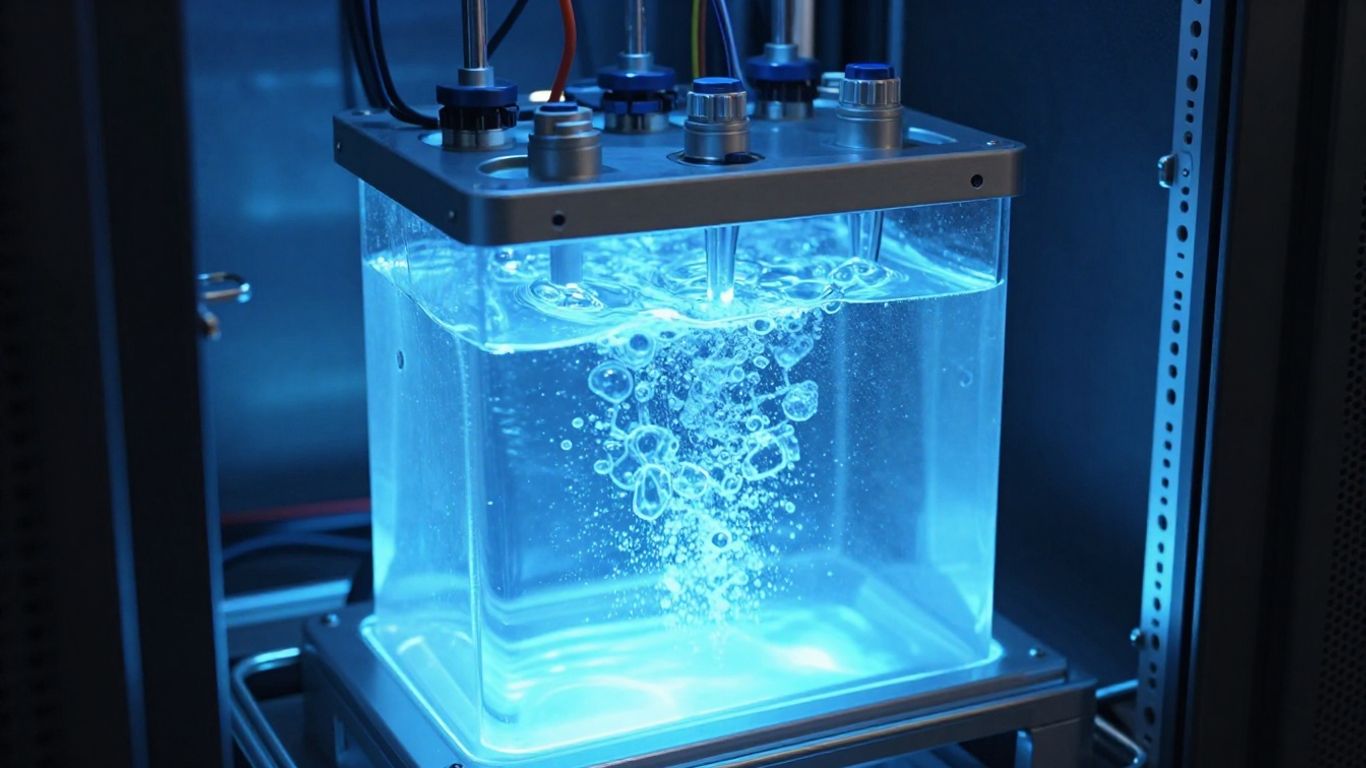
Liquid immersion involves submerging components in a non-conductive synthetic coolant, which is vastly more efficient at transferring heat than air at room temperature. This shift allows for significantly higher power densities without requiring massive fan arrays. It transforms how architects think about spacing and rack design in constrained physical footprints.
Optimizing hot and cold aisle containment configurations
Physical containment prevents the mixing of hot exhaust air with cool intake air. By creating dedicated channels, the facility can maintain precise temperatures without cycling the entire room through a chiller. This reduces the work the infrastructure must perform, leading to immediate energy savings that can be benchmarked against current facility load.
Integrating AI-driven thermal management software
Intelligent automation allows facilities to adjust cooling speed in real time based on demand-driven fluctuations. This software analyzes current load and external weather conditions to optimize fan speeds and chiller cycles. This keeps the facility operating at the edge of safety without wasting energy on over-cooling during low-demand periods.
Leveraging free cooling and regional climate advantages
Facilities located in cooler, northern latitudes can leverage outside air to chill their systems for much of the year. This practice, known as direct-to-air cooling, allows the facility to bypass energy-heavy mechanical chillers entirely under the right thermal conditions. Many operators optimize their location strategy to prioritize these geographic advantages where possible.
Transitioning to renewable energy sources
Power Purchase Agreements for data centers
Utilities often allow commercial entities to enter into long-term contracts to guarantee a supply of renewable electricity. These agreements provide a financial incentive to developers, which accelerates the construction of wind and solar farms. It is a powerful way for companies to green their energy mix while locking in stable long-term energy prices.
On-site renewable energy generation feasibility
While rarely sufficient to meet the full load of a large data center, on-site solar panels or fuel cells can reduce the draw from the grid during peak hours. Even modest generation capacity helps with local emergency resilience and helps offset small portions of the total energy footprint during business hours.
The role of energy storage in grid stabilization
Battery storage allows facilities to capture excess energy during low-demand periods for use when the grid is strained. This flexibility helps solve the intermittency problems associated with renewable energy sources like wind and solar. Storage acts as a buffer that smooths out the peaks and valleys of energy availability.
Balancing intermittency with demand response programs
These programs incentivize facility managers to reduce load during high-stress periods on the electrical grid. By participating in these schemes, data centers can actively help prevent brownouts or shutdowns. The following table summarizes how different strategies for grid stability contribute to operational resilience:
Effectiveness relies on how well these tools match the specific local infrastructure the operator manages.
Managing Scope 3 supply chain impacts
Assessing the manufacturing carbon footprint of servers
Every piece of hardware has a carbon debt determined by the energy intensity of the factories that build it. Operators must engage with vendors to obtain accurate lifecycle assessments that detail these embedded impacts. This is the only way to perform a truly accurate total-cost-of-ownership analysis that includes environmental factors.
Choosing hardware vendors with transparent sustainability reports
Transparency is a key competitive differentiator in the modern hardware landscape. When organizations select partners, they should prioritize vendors who provide public documentation of their own manufacturing emissions. This is an essential step toward achieving credible sustainability goals in the long term.
Procurement policies for circular economy integration
Policies should favor vendors that design for repairability and modularity to extend the lifespan of IT products. By moving toward a model where hardware is modular, organizations can replace parts rather than scrapping entire servers. Here are key procurement items for integration:
- Prioritizing modular server designs for individual component upgrades.
- Requiring vendor certification for eco-friendly product packaging.
- Auditing suppliers to ensure adherence to low-waste initiatives.
- Implementing buy-back programs for retired server components.
These practices ensure that material waste is minimized throughout the lifecycle of the infrastructure.
Shipping and logistics optimization strategies
Consolidating orders and optimizing transit routes can significantly lower the carbon impact of new equipment arrival. Choosing sea over air transport, whenever the lead time allows, is a major win for lowering the logistical footprint of technology deployment. Companies that treat shipping as a core environmental concern often find they can reduce non-essential overhead and save on delivery costs simultaneously, especially when they Book a demo to understand these efficiencies better.
Conclusion
Achieving meaningful reductions in the environmental impact of digital infrastructure requires a holistic approach that connects operational efficiency with supply chain transparency. By measuring accurately, optimizing hardware life cycles, and strategically sourcing energy, organizations can move beyond simple compliance toward a genuinely resilient posture that safeguards both their bottom line and the planet.
Frequently Asked Questions
How does PUE impact energy usage?
Power Usage Effectiveness acts as a ratio that measures how much extra power is wasted on overhead compared to the power used by the IT equipment, helping operators identify cooling and electrical inefficiencies.
What are the main differences between Scope 1, 2, and 3 emissions?
Scope 1 covers direct emissions from on-site generators, Scope 2 includes indirect emissions from purchased grid electricity, and Scope 3 covers all other emissions in the upstream and downstream supply chain.
Why is water usage linked to energy consumption?
Many common cooling systems rely on water evaporation to maintain temperature, so high water usage often indicates that a facility is not cooling its server environment as efficiently as it could be.
What are the benefits of liquid cooling?
Liquid cooling transfers heat far more efficiently than air-based methods, which allows for higher server density and eliminates the need for massive fans that consume significant electrical power.
Can renewable energy completely remove a data center's footprint?
Renewable energy sources significantly slash indirect energy emissions, but they do not eliminate the embedded carbon in the physical servers or the construction materials of the building itself.
What role does the circular economy play in data centers?
Integrating the circular economy involves focusing on repairability, modular hardware upgrades, and recycling retired components to prevent the unnecessary manufacturing of new computer hardware.
How can AI assist with environmental sustainability in data centers?
AI software can monitor and adjust cooling parameters in real-time based on actual server load, which prevents the waste of over-cooling or under-utilizing existing infrastructure during quieter operational periods.

