

Achieving Carbon Negative: Innovations and Implications for a Greener Future

So, we're talking about a negative carbon footprint. It sounds a bit like magic, right? But it's actually about doing more than just cutting down on what we use and throw away. It means actively taking carbon out of the air. This whole idea is getting more and more important as we see the effects of climate change. We'll look at how businesses and us regular folks can actually make a difference, and what cool new tech might help us get there. It’s not just about reducing our impact, but actually reversing it.
Key Takeaways
- Achieving a negative carbon footprint means removing more carbon dioxide from the atmosphere than is emitted, going beyond simple emission reduction.
- Businesses can work towards this goal by using materials that absorb carbon, making their supply chains greener, using less energy, and choosing renewable power sources.
- Individuals can contribute through energy saving at home, opting for greener travel, reducing waste, and making conscious food choices, like eating less meat or planting trees.
- New technologies like carbon capture, bioenergy with carbon capture, and direct air capture are being developed to actively pull CO2 from the air.
- Policies that encourage renewable energy, support research into carbon removal, and put a price on carbon emissions are vital for widespread adoption of these strategies.
Understanding The Path To A Negative Carbon Footprint

So, what does it actually mean to have a negative carbon footprint? It's a bit more than just trying to be 'neutral.' Think of it like this: normally, our activities put more carbon dioxide into the air than we take out. A negative footprint means we're actively removing more carbon from the atmosphere than we release. It's about going beyond just cutting down on emissions and actually starting to clean up the air. This is a big shift from just balancing things out; it's about making a net positive impact on the planet.
Defining A Negative Carbon Footprint
Achieving a negative carbon footprint means that the total amount of greenhouse gases removed from the atmosphere is greater than the amount emitted. This isn't just about reducing our impact; it's about actively reversing it. While reducing emissions is absolutely vital – and we'll get to that – it's not enough on its own. The carbon already in the atmosphere is a problem we need to address directly. This is where active carbon sequestration comes into play. It's the process of pulling CO2 out of the air and storing it, like cleaning up a mess that's already been made. This can happen through natural methods, like planting trees, or through advanced technologies.
The path to a negative carbon footprint involves a dual approach: drastically cutting down on greenhouse gas emissions while simultaneously increasing our capacity to remove existing carbon dioxide from the atmosphere. This isn't a simple task, but it's one that holds the key to a healthier planet.
The Urgency Of Achieving Carbon Negativity
Why the rush? Well, the climate is changing, and the effects are becoming more obvious. We're seeing more extreme weather, rising sea levels, and impacts on ecosystems. The science is pretty clear: we need to act fast. Getting to a negative carbon footprint isn't just a nice-to-have; it's becoming a necessity if we want to avoid the worst effects of climate change and create a stable environment for future generations. It’s about taking responsibility for our impact and actively working to reverse some of the damage. This requires a concerted effort from everyone, from individuals making daily choices to large corporations and governments implementing major policy changes. The urgency is driven by the growing global concern about climate change.
Active Carbon Sequestration Beyond Emission Reduction
Reducing our emissions is absolutely vital, no doubt about it. We need to use less energy, switch to cleaner sources, and be smarter about how we produce and consume things. But even if we got our emissions down to zero tomorrow, the carbon already in the atmosphere would still be a problem. That's where active carbon sequestration comes in. This is the process of actually pulling carbon dioxide out of the air and storing it. It's like cleaning up a mess that's already been made. This can happen in a few ways, from planting trees to using advanced technologies. It’s a proactive approach to healing the planet. Companies are starting to measure their footprint and implement strategies to reduce it, but the next step is active removal. Achieving climate neutrality involves this structured process, starting with measurement and reduction, then moving to offsets and removals.
Strategies For Businesses To Achieve A Negative Carbon Footprint
So, how can businesses actually get to a point where they're taking more carbon out of the atmosphere than they're putting in? It sounds like a big ask, but there are some solid ways to get there. It's not just about cutting back on what you emit; it's about actively doing more. This whole idea is getting more and more important as we see the effects of climate change. We'll look at how businesses can make a real difference.
Adopting Circular Economy Principles
This is a pretty cool area. Instead of using materials that add to carbon emissions when they're made or used, businesses can switch to things that actually absorb carbon. Think about plant-based plastics or building materials made from sustainably managed forests. These aren't just alternatives; they're part of the solution. For instance, using wood in construction, when sourced responsibly, locks away carbon for the life of the building. It's a tangible way to make a difference right from the start of a product's life cycle. Your supply chain is often where a huge chunk of your carbon footprint hides. It's not just about your own factory; it's about where your materials come from and how they get to you. Working with suppliers who are also committed to sustainability is key. This might mean choosing local suppliers to cut down on transport emissions, or partnering with those who use renewable energy in their own operations. It's about building a network that's as green as you want to be. Making sure your logistics are efficient, perhaps by consolidating shipments or using lower-emission transport, also plays a big part. You can find more on how to approach this by looking into sustainable logistics.
Investing In Climate Innovation
Using less energy means emitting less carbon, plain and simple. Businesses can do this by upgrading old equipment to more efficient models, improving insulation in buildings, or implementing smart energy management systems. But it doesn't stop there. The real game-changer is switching to renewable energy. Installing solar panels on rooftops, sourcing wind power, or signing power purchase agreements for clean energy can drastically cut your operational emissions. It's a significant upfront investment, but the long-term benefits, both for the planet and your bottom line, are substantial. Your team can be your biggest ally in this journey. When employees are on board, they can help drive change from the ground up. This could involve encouraging greener commuting options like cycling or public transport, setting up robust recycling and composting programs at the office, or simply raising awareness about energy conservation. Creating a culture where sustainability is valued and practiced daily makes a real difference. Small actions, multiplied across an entire workforce, add up.
Leveraging Nature-Based Solutions
Achieving a negative carbon footprint requires a holistic approach. It's about integrating environmental considerations into every aspect of the business, from the materials you choose to the energy you consume and the way your employees work. It's a continuous process of improvement and innovation.
Here's a quick look at how different areas contribute:
- Material Sourcing: Prioritizing recycled, renewable, or carbon-negative materials.
- Energy Use: Maximizing efficiency and transitioning to 100% renewable energy.
- Operations: Streamlining processes to minimize waste and emissions.
- Supply Chain: Collaborating with partners who share sustainability goals.
- Employee Involvement: Educating and empowering staff to contribute to carbon reduction efforts. Achieving a carbon-negative future involves a multi-faceted approach, moving beyond emission reduction to actively remove existing carbon dioxide from the atmosphere.
The Role Of Policy And Investment In Negative Emissions
So, we've talked a lot about what we can do, but how do we actually make these big, planet-saving ideas happen? That's where policy and investment come in. It's not just about individuals making small changes; it's about governments and big money getting on board to really push things forward. Without smart policies and serious cash, achieving carbon negativity is going to be a much tougher climb.
Think about it: new technologies, like direct air capture or advanced bioenergy, don't just appear out of nowhere. They need funding for research, development, and then scaling up. That's where government incentives and private investment play a huge role. Policies can create the market for these solutions, making them more attractive to investors. The synergy between government action and financial backing is what truly accelerates progress towards a carbon-negative future.
Incentivizing Renewable Energy Adoption
This is pretty straightforward. Governments can offer tax breaks, grants, or subsidies for companies and individuals who switch to solar, wind, or other clean energy sources. This makes renewables cheaper and more accessible, speeding up the transition away from fossil fuels. It's a direct way to cut down on emissions while building the infrastructure for a cleaner grid.
Supporting Research And Development In Carbon Removal
We need to keep innovating. Policies can fund university research, create innovation hubs, and offer grants for startups working on new ways to capture carbon from the atmosphere or industrial processes. This helps bring promising, but still developing, technologies closer to reality. Microsoft, for instance, has put USD 1 billion into climate innovation, showing how significant private investment can be in this area [b112].
Implementing Carbon Pricing Mechanisms
This is a big one. Putting a price on carbon, whether through a carbon tax or a cap-and-trade system, makes polluting more expensive. This naturally encourages businesses and consumers to find cleaner alternatives. It's a market-based approach that can drive significant change. The cost of different negative emissions technologies can vary a lot, and understanding these costs and benefits is key for policymakers deciding where to direct funds and efforts [a56e].
Ultimately, it's about creating an environment where going carbon negative isn't just a nice idea, but a practical, economically viable, and even profitable choice. That requires a coordinated effort from governments, investors, and businesses working together.
Innovative Technologies For Carbon Negative Solutions
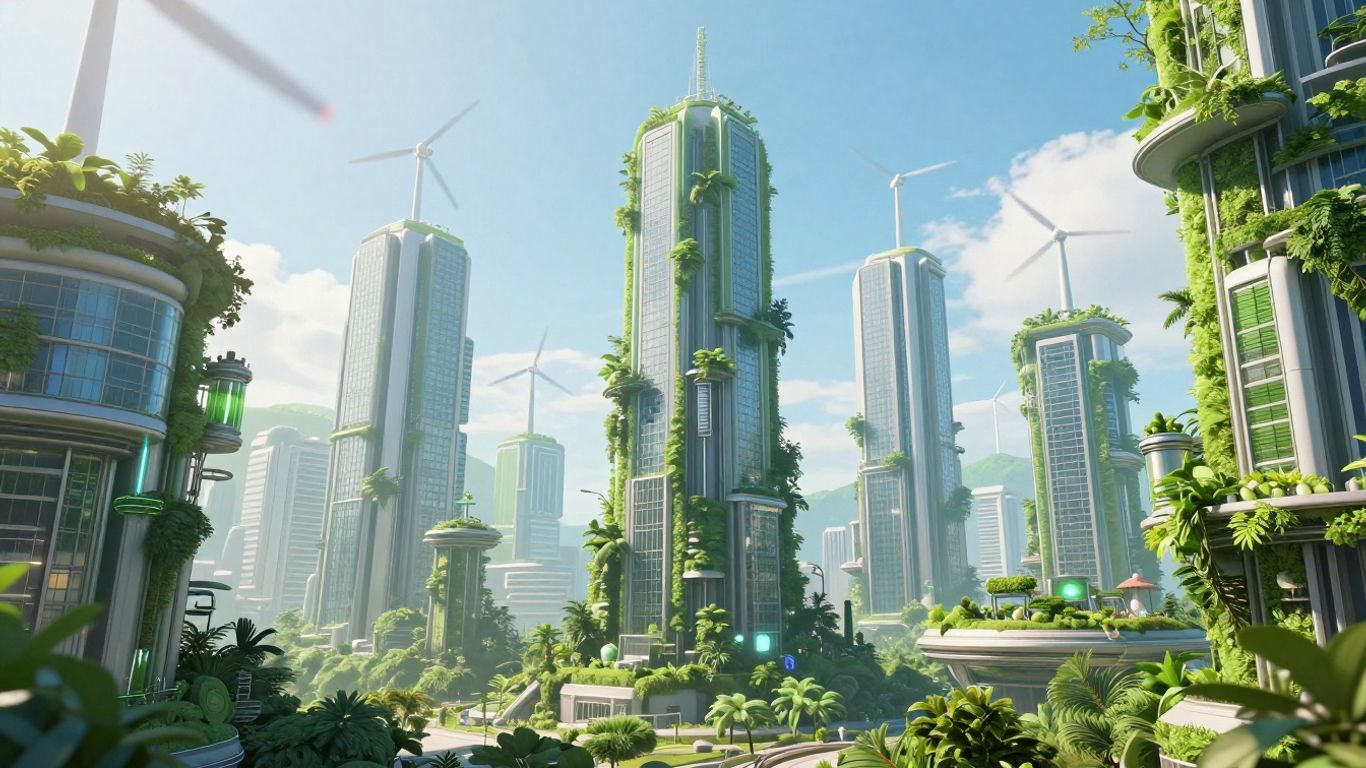
So, we've talked about cutting emissions, but what about actually pulling carbon out of the air? That's where some pretty cool tech comes in. It's not just about stopping the problem; it's about fixing it.
Direct Air Capture And Bioenergy With Carbon Capture
Direct Air Capture (DAC) is exactly what it sounds like: machines that suck CO2 right out of the atmosphere. Think of them as giant, artificial lungs for the planet. Companies are developing these to be more efficient and affordable. Then there's Bioenergy with Carbon Capture and Storage (BECCS). This involves burning organic matter, like wood or crops, to create energy, and then capturing the CO2 released during that process. The captured CO2 is then stored underground. It's a way to generate power while also removing carbon. For industries like metal production, which are big emitters, these technologies are becoming really important for reducing their carbon footprint.
Low Emissions Carbon Pyrochar Technology
This one's interesting. Low Emissions Carbon Pyrochar, or biochar, is made by heating organic material (like agricultural waste) in a low-oxygen environment. The result is a stable form of carbon that can be added to soil. It not only sequesters carbon for a long time but can also improve soil health. It's seen as a potential replacement for coal in some applications, which would cut down on a lot of harmful emissions. The idea is that this process can be a key part of what some call the 'Holy Trinity' of negative carbon efforts, alongside renewable energy and direct carbon capture.
Enhanced Weathering And Ocean Fertilization
These are a bit more experimental, but they hold promise. Enhanced weathering involves spreading finely ground rocks, like basalt, over land or oceans. These rocks naturally react with CO2 in the atmosphere and water, pulling it down and storing it. It's basically speeding up a natural geological process. Ocean fertilization, on the other hand, involves adding nutrients, like iron, to specific parts of the ocean to stimulate the growth of phytoplankton. These tiny marine plants absorb CO2 through photosynthesis. When they die, they sink to the ocean floor, taking the carbon with them. There are definitely environmental considerations and research ongoing for both of these approaches.
The push for carbon negativity isn't just about stopping the damage we're doing now. It's about actively cleaning up the mess that's already in the atmosphere. These technologies, while still developing, offer real pathways to reverse some of the climate impacts we're facing.
Here's a quick look at how some of these compare:
It's a complex field, and companies are exploring various combinations of these strategies to meet their climate goals. The goal is to find scalable, safe, and effective ways to make a real difference.
Individual Contributions To A Negative Carbon Future
So, you're thinking about how to make a real difference, right? It's easy to feel like one person can't do much, but honestly, our everyday choices add up. We all have the power to shrink our carbon impact and even go beyond that. It's not about being perfect overnight, but about making conscious decisions that, over time, really matter. Every action, no matter how small, contributes to the larger goal of a healthier planet.
Conscious Consumer Choices
What we buy and how we buy it has a ripple effect. Think about the products you bring into your home. Are they made from recycled materials? Are they built to last, or will they end up in a landfill quickly? Choosing items with less packaging, or packaging that can be easily recycled or composted, makes a difference. Supporting companies that are transparent about their environmental practices is also a good move. It's about being mindful of the entire lifecycle of a product, from its creation to its disposal. This kind of conscious consumption sends a message to businesses that sustainability matters.
Energy Saving At Home
Let's start with where most of us spend a lot of time: home. Think about your electricity and heating. Simple things can make a big difference. Turning off lights when you leave a room is a classic for a reason. Unplugging chargers and electronics when they're not in use stops that sneaky "phantom load" from draining power. You can also look into more efficient appliances when it's time to replace old ones. Even small adjustments, like lowering your thermostat a degree or two in winter and raising it in summer, can cut down on energy use significantly. These actions not only help the planet but also save you money on your utility bills.
Greener Travel And Waste Reduction
Getting around is another big area where we can make changes. Instead of always hopping in the car, consider walking, biking, or using public transportation when possible. Carpooling is another great option if driving is necessary. For longer trips, look into trains or buses, which are generally more energy-efficient per passenger than flying. When it comes to waste, the goal is to create less of it in the first place. This means reusing items whenever you can, repairing things instead of replacing them, and composting food scraps if you have the space. Recycling is important, but reducing and reusing come first. It's about shifting our mindset from a disposable culture to one that values longevity and resourcefulness. For more ideas on how to take action, check out ways to reduce your environmental impact.
Making these changes isn't about drastic sacrifices; it's about smart choices. It's about understanding that our daily habits have consequences and choosing habits that benefit the environment. By integrating these practices into our lives, we become active participants in creating a sustainable future.
It's easy to feel like our individual actions don't matter when facing big environmental challenges. But every choice we make, from how we use energy to what we buy, adds up. These small steps, when taken by many, can create a significant positive impact on our planet's future. Want to learn more about how you can make a difference? Visit our website today to discover practical ways to contribute to a healthier world.
Looking Ahead: Our Role in a Carbon-Negative World
So, we've talked a lot about how to get to a negative carbon footprint, for both businesses and us regular folks. It's not just about cutting back on what we use, but also about actively pulling carbon out of the air. Things like using new materials, being smarter with energy, planting trees, and even what we eat all add up. It might seem like a lot, but every little bit helps. By making these changes, we're not just helping the planet; we're building a better, healthier place for everyone down the line. It’s a big job, but totally doable if we all pitch in.
Frequently Asked Questions
What does it really mean to be 'carbon negative'?
Being carbon negative is like being a superhero for the planet! It means you take more carbon dioxide out of the air than you put into it. Think of it as cleaning up more pollution than you create. It's a step beyond just being 'carbon neutral,' where you only balance things out.
How can companies become carbon negative?
Businesses can achieve this by first cutting down their own pollution as much as possible. Then, they can actively remove carbon from the air. This might involve using special materials that soak up carbon, making their factories super energy-efficient, using clean energy like solar power, or even planting lots of trees.
What can I do as one person to help?
You can make a big difference! Try saving energy at home by turning off lights and using less hot water. Choose to walk, bike, or use public transport instead of driving alone. Also, try to make less trash by reusing and recycling, and even think about eating less meat. Planting trees is awesome too!
Are there special technologies that help remove carbon from the air?
Yes, there are! Scientists are developing cool technologies like 'direct air capture,' which basically sucks CO2 right out of the atmosphere. Another idea is 'bioenergy with carbon capture,' where you burn plants for energy and then trap the carbon released. These are like high-tech ways to clean up the air.
Why is it so important to become carbon negative?
Our planet is getting warmer, and that's causing problems like extreme weather and rising sea levels. Becoming carbon negative helps us fight climate change by actually reducing the amount of harmful gases in the air, making the Earth a healthier place for everyone, now and in the future.
Does recycling help us become carbon negative?
Recycling is a fantastic part of reducing our impact, but it's more about being 'carbon neutral' or reducing emissions. To be truly carbon negative, we need to go further. This involves actively pulling carbon out of the air, not just reducing what we put in. So, while recycling is great, it's just one piece of the puzzle!

