

Explore the Future with Sustainability Engineering and Management at Linköping University
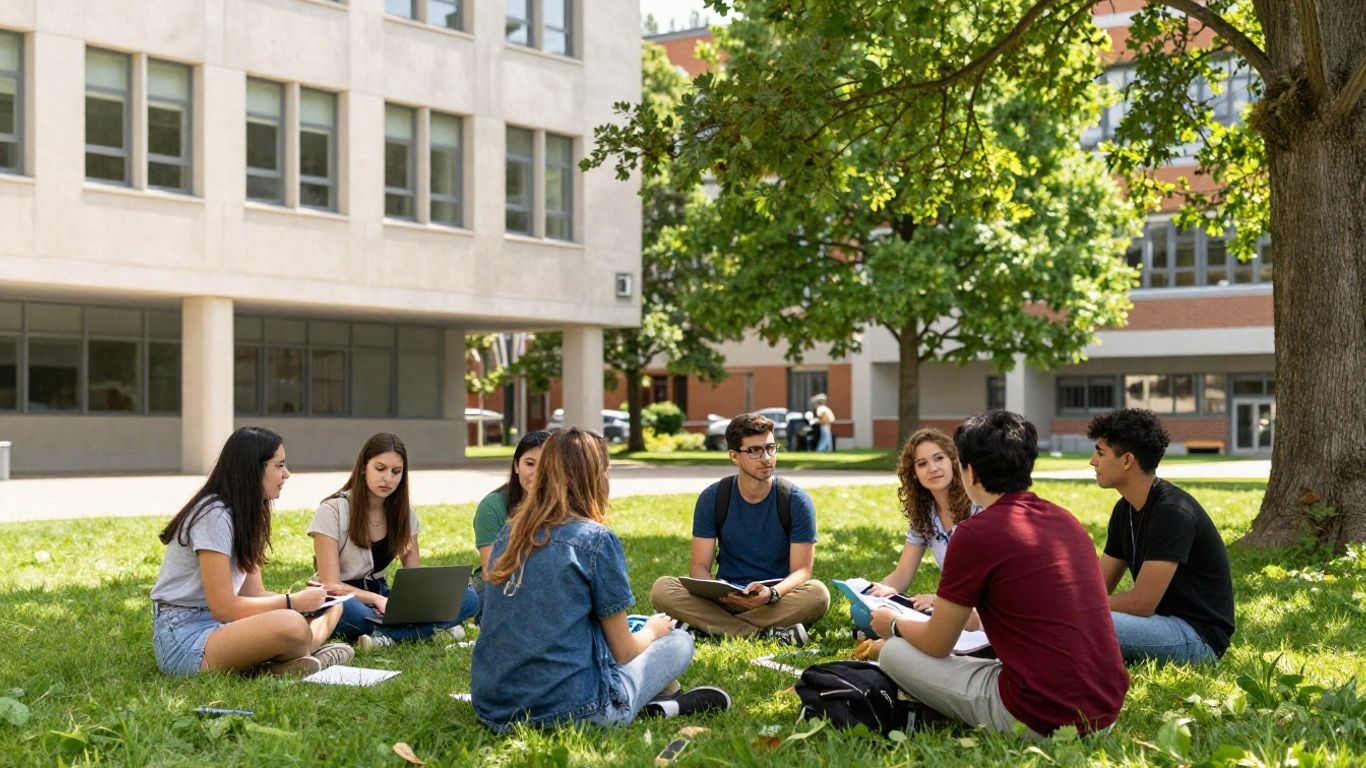
Thinking about a career that actually makes a difference? Linköping University has a program called Sustainability Engineering and Management. It's designed for people who want to tackle big environmental issues using smart engineering and good management. You'll learn how to look at problems from different angles and come up with practical solutions for a more sustainable future. If you're interested in how we can use resources better and develop new technologies, this might be the path for you.
Key Takeaways
- The Sustainability Engineering and Management program at Linköping University uses a wide-ranging systems view to tackle sustainability challenges.
- Students build a strong base in math and engineering, then focus on specific sustainability topics.
- The curriculum includes practical experience with new environmental tech and renewable energy systems.
- Graduates gain skills for leadership roles in green industries, energy consulting, or further academic research.
- Linköping University has a history of creating interdisciplinary programs that prepare students for jobs that are needed now.
Understanding Sustainability Engineering and Management at Linköping University
So, what exactly is Sustainability Engineering and Management at Linköping University all about? It's not just another degree; it's a way of thinking about how we build and manage things in a world that really needs to change. This program tackles complex environmental and resource issues head-on. It's designed for people who want to be part of the solution, not just talk about problems.
A Multidisciplinary Systems Approach to Sustainability
Forget about looking at problems in isolation. This program really pushes you to see the bigger picture. You'll learn how different parts of a system – like energy, materials, and even social factors – all connect. It’s about understanding that fixing one thing might affect another, and you need to consider all those links. This approach helps you develop smarter, more effective solutions that actually work in the real world. It’s a bit like trying to fix a leaky faucet without realizing the whole pipe system is corroded; you need to look at the whole thing.
Foundations in Mathematics and Engineering Sciences
Before you can engineer a sustainable future, you need a solid base. This program makes sure you have that. You’ll build on your knowledge in math and core engineering subjects. This isn't just about crunching numbers; it's about having the tools to model complex systems, analyze data, and visualize engineering challenges. Think of it as getting your toolkit ready before you start building something important. You'll get comfortable using computer tools for all sorts of engineering tasks, which is pretty standard these days. If you're looking to specialize in areas like mechanical engineering, this provides a strong foundation [f0bd].
Specialized Knowledge in Sustainability Engineering and Management
Once you've got the basics down, the program really hones in on sustainability. You'll dive into specific strategies and methods for using resources more efficiently, whether that's at a company level, between businesses, or even across society. This includes learning about things like innovative entrepreneurship and how to manage new ideas. The goal is to equip you with practical knowledge to make a real difference. You'll explore concepts and strategies for better material and energy use, which is a big deal for the planet. The program concludes with a significant degree project, giving you a chance to apply everything you've learned.
The current way we use natural resources is causing some serious problems, like pollution and running out of materials. This program teaches you to combine different fields of study with skills in modern environmental and energy engineering. It’s a complete way of looking at things to help stop and fix environmental issues.
This program is a great way to get into fields that are growing fast. You'll learn how to lead projects and teams, and become adaptable to new engineering challenges. It's all about preparing you for a future where sustainability isn't just a buzzword, but a core part of how we do things. You'll also get a chance to see new environmental technologies in action, as Linköping University is involved in some exciting research centers [701f].
Core Curriculum and Specialization
Introductory Courses in Environmental Engineering and Energy Systems
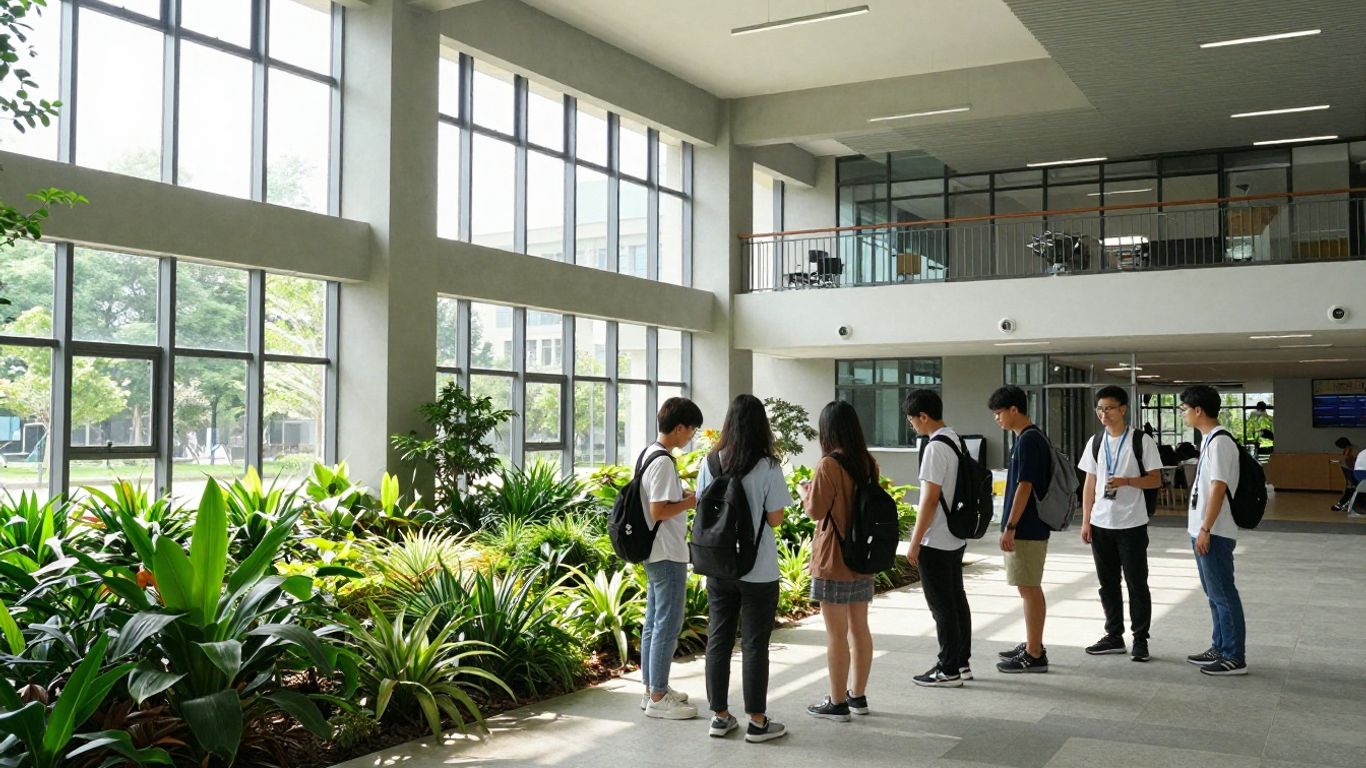
The program kicks off with foundational courses that build a solid base in environmental engineering and energy systems. Think of it as learning the alphabet before you can write a novel. These initial classes cover the basics of how our environment works and the different ways we generate and use energy. It’s not just theory, though; you’ll start looking at real-world problems and how engineering principles can be applied to solve them. This part of the curriculum is designed to give you a broad view before you start narrowing your focus.
Specialization in Resource Efficiency Strategies
After getting a handle on the fundamentals, you’ll dive deeper into strategies for using resources more efficiently. This is where the program really starts to shape your thinking towards practical solutions for sustainability. You’ll explore methods for reducing waste, optimizing energy use, and managing materials better, not just at a single company level, but across entire industries and even at a societal scale. This focus on efficiency is key to making significant environmental improvements.
Here’s a look at what you might cover:
- Material flow analysis
- Life cycle assessment
- Circular economy principles
- Energy system optimization
Innovative Entrepreneurship and Innovation Management
Finally, the program integrates concepts of entrepreneurship and innovation management. Because let’s face it, creating a sustainable future isn’t just about technical fixes; it’s also about developing new ideas and business models. You’ll learn how to identify opportunities for sustainable innovation and how to bring those ideas to life. This part of the curriculum is about equipping you to be a change-maker, whether you start your own venture or drive change within an existing organization. It’s about turning sustainable concepts into tangible realities. You might even explore topics related to sustainable system analysis.
The world needs new ways of doing business and managing resources. This part of the program is designed to give you the tools to not only understand these challenges but to actively create solutions that are both environmentally sound and economically viable. It’s about being proactive, not just reactive, in addressing global sustainability issues.
Research and Practical Application
At Linköping University, the Sustainability Engineering and Management program isn't just about theory; it's deeply rooted in real-world research and hands-on application. You'll get to work with some pretty impressive research groups, like the Energy Systems and Environmental Technology and Management divisions. These aren't just academic departments; they're active hubs developing system solutions and producing internationally recognized research. Think about areas like renewable energy, energy efficiency, and how we can manage waste better in the future. It’s all about turning environmental challenges into opportunities.
Joining Energy Systems and Environmental Technology Research Groups
When you join these groups, you're not just observing; you're contributing. You'll be part of studies looking into how organizations, technical systems, and processes can adapt to be more environmentally friendly. This includes investigating the actual environmental impact of these changes. It’s a chance to get involved in projects that are actively trying to make a difference. You might find yourself working on industrial and urban symbiosis projects, exploring how different organizations can collaborate for more efficient material and energy flows. It’s a practical way to see how sustainability concepts play out on a larger scale.
Exploring Renewable Energy and Waste Management Systems
The program connects you with research that's shaping the future of energy and resources. Linköping University is home to a national center focused on biogas production and use, and it coordinates significant programs like Mistra REES (Resource-Efficient and Effective Solutions). This means you'll be exposed to cutting-edge work in areas that are critical for a sustainable future. You'll learn about developing and implementing strategies for more efficient use of materials and energy, not just at a company level, but across entire industries and societies. It’s about understanding the whole system.
Witnessing New Environmental Technology in Action
What's really cool is that many of these renewable energy solutions and environmental technologies aren't just theoretical. They've been implemented right here in the region. You'll have the chance to see new environmental technology in action, whether it's advanced waste management systems or innovative energy solutions. This practical exposure is invaluable. It helps you connect the dots between academic learning and tangible results, giving you a clear picture of what's possible and how it's being achieved. It’s a great way to prepare for a career where you can lead production and engineering in a sustainable direction leading positions in growing green sectors.
The program's structure allows students to engage with research that addresses pressing environmental issues, such as resource scarcity and hazardous substance emissions. This hands-on involvement provides a solid foundation for tackling complex sustainability challenges in professional settings.
Developing Essential Professional Skills
This program isn't just about crunching numbers or designing systems; it's about shaping you into a well-rounded professional ready for the real world. You'll learn how to take charge and guide projects, which is pretty important when you're dealing with complex sustainability challenges. Think of it as building your confidence and your ability to steer things in the right direction.
Leadership in Modern Research and Engineering
Graduates are equipped to step into leadership roles. This means not just managing tasks, but understanding the bigger picture and motivating teams. You'll gain the skills to direct research initiatives and engineering projects, making informed decisions that align with sustainability goals. It’s about being the person who can see the path forward and help others follow it.
Competency in New Engineering Fields
Sustainability is a rapidly changing area, and you'll need to keep up. The program focuses on helping you learn new engineering concepts quickly and on your own. This adaptability is key. You won't be stuck with old methods; you'll be ready to tackle whatever new technologies or approaches emerge. This ability to pick up new skills fast is a major asset in any green sector.
Effective Participation in Multidisciplinary Teams
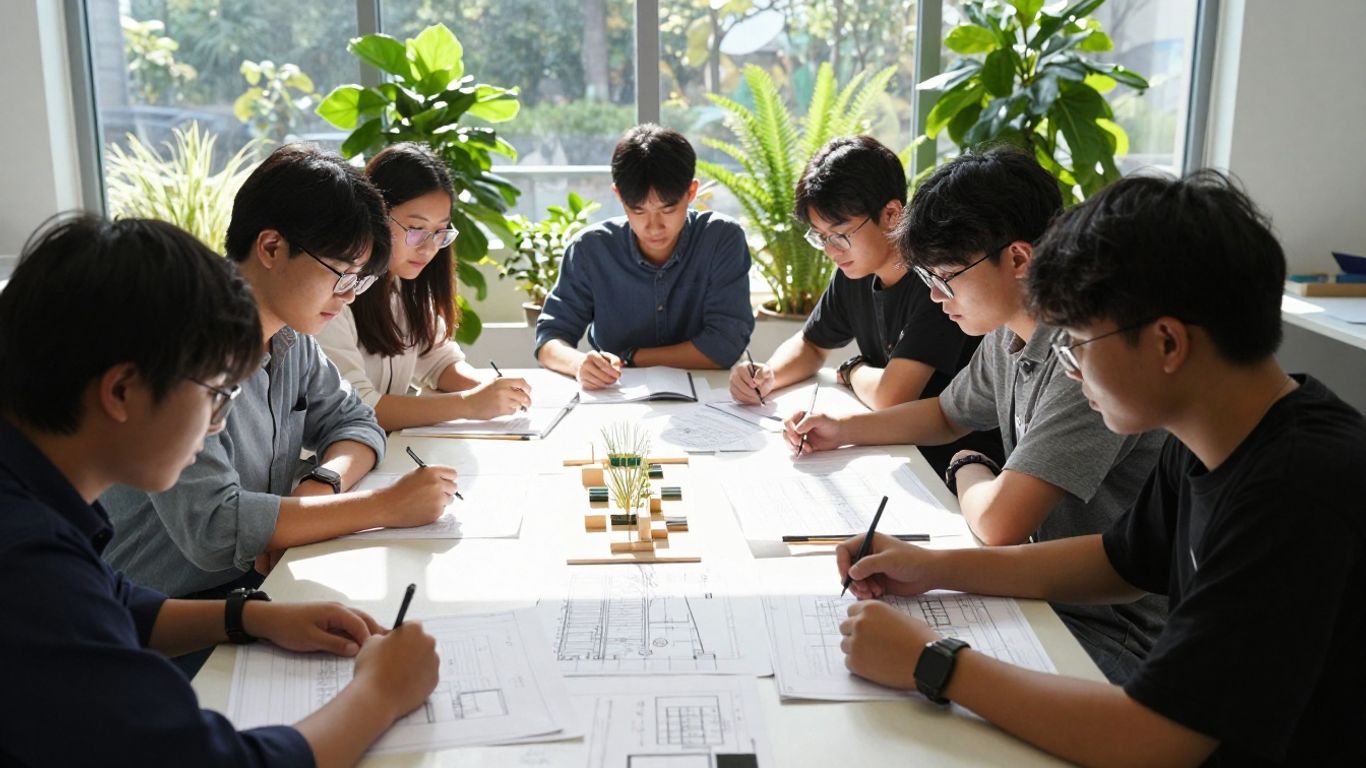
Sustainability problems rarely have simple, single-discipline solutions. You'll learn to work effectively with people from different backgrounds – engineers, economists, social scientists, you name it. This means sharing ideas, taking responsibility, and communicating clearly so everyone is on the same page. It’s about collaboration that actually gets things done.
Here’s a look at how teamwork is structured:
- Shared Task Allocation: Distributing responsibilities fairly among team members.
- Active Collaboration: Engaging with others, contributing ideas, and building on suggestions.
- Joint Evaluation: Collectively assessing progress and outcomes to learn and improve.
The program emphasizes practical application, allowing students to see how theoretical knowledge translates into tangible solutions. This hands-on experience is invaluable for developing practical problem-solving abilities and understanding the real-world impact of sustainability initiatives. You'll get to witness new environmental technology in action, which really brings the concepts to life.
This focus on practical skills means you're not just learning about sustainability; you're learning how to do sustainability. It's about being prepared for the challenges and opportunities that lie ahead in a world increasingly focused on environmental responsibility. Linköping University's commitment to interdisciplinary programs, like this one, helps prepare students for the evolving labor market [5425].
Career Pathways for Graduates
Graduates from the Sustainability Engineering and Management program at Linköping University are well-prepared for a variety of roles in a world that increasingly prioritizes sustainable practices. The skills you gain here open doors to positions where you can genuinely make a difference.
Leading Positions in Growing Green Sectors
The demand for professionals who can steer companies and organizations towards more sustainable operations is high. You'll find opportunities in sectors focused on renewable energy, waste reduction, and circular economy initiatives. Many alumni step into roles managing projects related to energy efficiency, developing new eco-friendly products, or implementing waste management strategies. The green economy is expanding rapidly, and this program positions you at its forefront.
Roles in Energy Consulting and Strategic Development
With your systems-thinking approach and specialized knowledge, you'll be a strong candidate for roles in energy consulting. This could involve advising businesses on how to reduce their carbon footprint, optimize energy usage, or transition to cleaner energy sources. Strategic development positions are also common, where you'll help shape a company's long-term environmental and sustainability plans. You might also find yourself working on developing local or regional energy distribution systems, a field with significant growth potential.
Pursuing Doctoral Studies and Academic Careers
For those with a passion for research and a desire to push the boundaries of sustainability science, pursuing doctoral studies is a common and rewarding path. Linköping University itself offers opportunities for PhD studies in Environmental Technology and Management, allowing you to contribute to cutting-edge research. Many graduates continue their academic journeys at other universities worldwide, becoming the next generation of researchers and educators in sustainability.
The program's blend of engineering principles and management strategies equips graduates not just with technical know-how, but also with the ability to lead and influence change within organizations and society at large. This dual focus is what makes the career prospects so robust.
Linköping University's Commitment to Innovation
Historical Roots of Interdisciplinary Programs
Linköping University has a long history of doing things a bit differently, especially when it comes to engineering education. Back in the late 1960s, the idea of combining engineering with economics was pretty radical. Some folks even compared it to a made-up animal, saying nothing good would come of it. But LiU went ahead and launched an economics-engineering program, and guess what? It became super popular. Graduates ended up in high-level jobs, and other universities started copying the idea. This shows how LiU has always been about creating programs that the job market actually needs.
The Evolution of Engineering and Management Studies
Over the years, the university has kept building on that innovative spirit. The sustainability engineering and management programs are a perfect example. They don't just teach you engineering; they blend it with management and a focus on sustainability. This means you're learning how to solve complex environmental problems while also understanding the business and economic side of things. It’s about looking at the big picture, not just one small piece. The program pulls from research groups focused on energy systems and environmental technology, areas where LiU is doing some pretty impressive work. Think renewable energy, better waste management, and how businesses can work together more efficiently. It’s a practical approach that prepares you for real-world challenges.
Developing In-Demand Expertise for the Labor Market
What LiU is really good at is making sure graduates have the skills employers are looking for. The sustainability engineering and management program is designed to give you a solid foundation in engineering principles, but then it branches out. You'll get into topics like resource efficiency, looking at how we can use materials and energy more wisely. Plus, there's a focus on entrepreneurship and innovation management, which is super important for developing new solutions. This combination means you're not just an engineer; you're someone who can think creatively and strategically about sustainability. This interdisciplinary approach is key to developing expertise that is highly sought after in today's green economy. You'll find yourself well-prepared for roles in consulting, strategic development, or even starting your own green business. If you're interested in the academic side, pursuing doctoral studies is also a strong option, building on the research foundation you'll gain here. You can explore courses like TEIO90 which is part of the Industrial Engineering and Management program, showing the university's commitment to these combined fields.
Linköping University is all about new ideas and creative thinking. They really push for fresh approaches in everything they do. Want to learn more about how they encourage innovation? Visit our website to see how we can help you do the same.
Looking Ahead
So, if you're thinking about a master's degree that really makes a difference, Linköping University's Sustainability Engineering and Management program seems like a solid choice. It's not just about learning theories; it's about getting hands-on with new tech and learning how to lead change. Graduates are set up for jobs that matter, tackling real-world problems with smart, sustainable solutions. It really feels like a program designed for the future, and for people who want to build it.
Frequently Asked Questions
What is Sustainability Engineering and Management all about at Linköping University?
It's a program that teaches you how to create better, more eco-friendly systems and products. You'll learn how to solve big environmental problems by looking at things from different angles, like engineering, energy, and how businesses work. It's all about making sure we use resources wisely for the future.
What kind of classes will I take?
You'll start with basics in environmental engineering and energy systems. Then, you'll dive deeper into ways to use less energy and materials, and learn about starting new green businesses. You'll also get a strong background in math and engineering.
Will I get to see new green technology in action?
Yes! Linköping University is involved in cool projects like biogas production and other renewable energy solutions. This means you'll have chances to see how this new environmental technology is actually being used in the real world around the region.
What skills will I learn that will help me get a job?
You'll become a good leader in engineering projects, learn new engineering skills quickly, and become great at working with different kinds of people in teams. You'll also learn how to communicate your ideas clearly, both in writing and speaking.
What kind of jobs can I get after graduating?
You could work in jobs that help companies become more eco-friendly, lead projects in renewable energy, or help plan how we use energy. Many graduates also go on to do more research or teach at universities.
Why is Linköping University good for this kind of program?
Linköping University has a history of creating unique programs that combine different subjects, like engineering and management. This program builds on that, giving you the exact skills that are needed in today's job market for a greener future.

