

Inspiring Corporate Social Responsibility Examples Making a Real Impact

Looking at how different companies approach social responsibility can give us great ideas. These examples show that there are many ways to make a positive mark on the world, whether it's through environmental efforts, helping people, or being a good neighbor. Here are some key things we can learn:
Key Takeaways
- Companies can protect the environment by reducing waste, using clean energy, and supporting nature.
- Giving back to the community through volunteering or donations makes a big difference.
- Fairness in how products are made and sold builds trust and helps people.
- Making sure everyone can use technology and products is a form of social good.
- When businesses have a clear purpose beyond making money, they often become stronger and more respected.
Pioneering Environmental Stewardship In Corporate Social Responsibility Examples

It’s pretty clear that just making a profit isn't enough for companies anymore. People expect more, and honestly, that's a good thing. We're seeing a real shift towards businesses taking better care of our planet, and it's inspiring to see how some are really leading the charge. This isn't just about looking good; it's about making actual changes that help the environment.
Patagonia's Commitment To Saving Our Home Planet
Patagonia has been talking the talk and walking the walk for a long time. Since the 70s, their whole mission has been about protecting the environment. They don't just sell outdoor gear; they actively work to reduce their impact. One cool thing they do is encourage customers to repair their clothes instead of just buying new ones. They even donate a percentage of their sales to environmental groups. It’s a business model built around conservation.
Tentree's Sustainable Fashion And Reforestation Efforts
Tentree is another company that has environmental action baked into its name and its business. For every single item they sell, they plant ten trees. Seriously, ten. They even give you a code so you can track where your trees are going. It’s a simple idea, but the impact is huge. They're not just planting trees, though; they're also involved in community projects in those areas, focusing on things like education and clean water. It’s a great example of how fashion can be a force for good.
Unilever's Vision For A Sustainable Future
Unilever is a massive company, and they've set some really ambitious goals for sustainability. Their plan is pretty broad, aiming to improve health, reduce environmental impact, and make their supply chains more fair. They're looking at everything from how they source ingredients to how they package their products. It shows that even huge corporations can make environmental stewardship a core part of their strategy. They're working on things like reducing waste and using more renewable energy, which is a big deal when you consider their global reach. It’s a complex undertaking, but their commitment is clear.
The focus on environmental responsibility means companies are looking at their entire operation, from the raw materials they use to the energy powering their factories. It's about finding ways to operate that don't harm the planet, and ideally, even help it heal. This includes things like cutting down on pollution, using less water, and switching to cleaner energy sources like solar and wind power. It’s a big shift, but one that’s becoming more and more important for businesses today.
Companies are increasingly expected to show a genuine commitment to social and environmental good, which helps their reputation and attracts good employees. Engaging in initiatives like environmental projects can really strengthen a company's culture and build resilience.
Community Empowerment Through Corporate Social Responsibility Examples
Companies are increasingly realizing that their role extends beyond just making a profit. They have a responsibility to contribute positively to the communities they operate in. This section looks at a few companies that are really stepping up to make a difference in people's lives.
The Walt Disney Company's Focus On Children's Well-being
Disney has a long history of supporting children, and it's a big part of their corporate identity. They focus on bringing happiness and comfort to kids facing tough times. This isn't just about donating money; it's about using their unique skills and resources to create magical experiences.
- Creating magical moments: Through initiatives like Disney VoluntEARS, employees dedicate their time to help children in hospitals and communities. They bring characters, stories, and entertainment to places where it's needed most.
- Supporting health and healing: Disney partners with hospitals worldwide to create special spaces and programs that help children cope with illness and injury. Think themed hospital rooms or characters visiting patients.
- Inspiring through storytelling: Their content often promotes positive values and encourages children to dream big and overcome challenges.
The impact of these programs goes beyond just a temporary distraction. They aim to provide comfort, hope, and a sense of normalcy for children and their families during difficult periods. It's about using the power of their brand to make a real, lasting difference.
BNP Paribas's Employee Volunteering And Giving Programs
BNP Paribas believes that its employees are its greatest asset, and they encourage them to get involved in their local communities. They have structured programs that make it easy for staff to volunteer their time and skills, and they often match employee donations to charities.
- Structured volunteering: The bank provides paid time off for employees to volunteer, allowing them to contribute to causes they care about without sacrificing their personal time.
- Giving back: Through matching gift programs, BNP Paribas amplifies the impact of employee donations, doubling the support for various non-profits.
- Skill-based volunteering: Employees are encouraged to use their professional skills to help organizations, offering expertise in areas like finance, marketing, or project management.
This approach not only benefits the community but also boosts employee morale and engagement. When people feel their company supports their desire to give back, it creates a stronger sense of loyalty and purpose at work. You can find out more about how CSR drives engagement here.
Starbucks's Ethical Sourcing And Community Support
Starbucks is known for its coffee, but they also put a lot of effort into supporting the communities where their beans are grown and where their stores operate. They focus on ethical sourcing, which means treating farmers fairly and helping their communities thrive.
- Fair farmer practices: Starbucks works directly with coffee farmers, providing resources and training to improve the quality of their crops and their livelihoods. This includes fair pricing and support for sustainable farming methods.
- Local store initiatives: Individual Starbucks stores often engage with their local neighborhoods, supporting community events and local charities.
- Investing in communities: The company invests in programs that provide education, clean water, and economic opportunities in coffee-growing regions, aiming for long-term positive change.
Innovative Models In Corporate Social Responsibility Examples
Sometimes, companies don't just do the usual charity work; they come up with totally new ways to help out. These aren't your typical donations; they're built right into how the business works. It’s pretty neat when a company figures out how to do good while also doing business.
Toms's 'One For One' Shoe Donation Model
Remember Toms? They really shook things up a while back with their "One for One" idea. For every pair of shoes they sold, they'd give a pair to a child in need. This model directly linked a purchase to a tangible act of giving. It was a simple concept, but it made a big splash. People liked knowing that buying something for themselves also meant helping someone else. It made shopping feel a bit more meaningful, you know?
Ben & Jerry's Advocacy For Social Justice
Ben & Jerry's has always been about more than just ice cream. They've consistently used their platform to speak out on social justice issues. Whether it's climate change, racial justice, or LGBTQ+ rights, they aren't afraid to take a stand. They've even created special flavors to raise awareness for certain causes. It shows that a company can be a voice for change, pushing for a more equitable world.
Microsoft's Dedication To Accessibility And Digital Inclusion
Microsoft is doing some really important work in making technology accessible to everyone. They focus on creating products that people with disabilities can use easily, like adaptive controllers for gaming or tools that help with reading and writing. They also work on bringing digital skills and internet access to underserved communities. It's about making sure that the digital world doesn't leave anyone behind. This commitment to digital inclusion is a powerful example of how tech companies can use their resources for good. They've set ambitious goals, like aiming to be carbon-negative by 2030, which is quite a statement. You can find out more about their approach to corporate social responsibility.
These innovative models show that CSR isn't a one-size-fits-all thing. Companies can get creative and build their social impact right into their business plans, making it a win-win for everyone involved.
Integrating Purpose Into Business: Corporate Social Responsibility Examples
It’s becoming pretty clear that just making money isn't enough for companies anymore. People, from customers to employees, expect more. They want businesses to be good citizens, to actually do something positive for the world. This is where integrating purpose into your business model, through Corporate Social Responsibility (CSR), really shines. It’s not just about throwing money at a cause; it’s about weaving a commitment to society and the environment into the very fabric of how a company operates. This approach can boost a company's image, attract good people, and even save money in the long run.
Nestle's Approach to Responsible Sourcing and Health
Nestlé, a giant in the food and beverage industry, has been working hard to make its operations more responsible. A big part of this is their focus on responsible sourcing. This means they're paying close attention to where their ingredients come from and how they're produced. They have programs aimed at improving the lives of farmers, ensuring fair labor practices, and promoting sustainable farming methods. For example, their Nespresso brand has initiatives to support coffee farmers and protect coffee-growing regions. They also put a lot of effort into improving the nutritional value of their products and promoting healthier lifestyles, which ties directly into their business of providing food and drinks.
Coca-Cola's Water Stewardship and Community Development
When you think of Coca-Cola, you might not immediately think of water conservation, but it's a major part of their CSR. They’ve set ambitious goals to replenish the water they use in their beverages. This involves working with local communities and partners on water-related projects, like restoring watersheds and improving access to clean water in areas where they operate. Their commitment extends to community development, supporting local economies and investing in initiatives that benefit people and the environment. It’s a complex challenge for a company that uses so much water, but they are making tangible efforts to address it.
Apple's Supply Chain Transparency and Renewable Energy Initiatives
Apple has been increasingly open about its supply chain, which is a huge undertaking given its global reach. They are working to ensure that the factories producing their products meet certain standards for worker safety and fair treatment. Transparency in this area is tough, but they publish reports detailing their progress and challenges. On the environmental front, Apple is pushing hard to power its operations with renewable energy. They aim to make their entire supply chain carbon neutral. This involves working with their suppliers to transition to clean energy sources, which is a significant step for an industry that often has a large carbon footprint. You can find more about building a resilient CSR strategy to guide these efforts.
Driving Impact With Technology And Employee Engagement
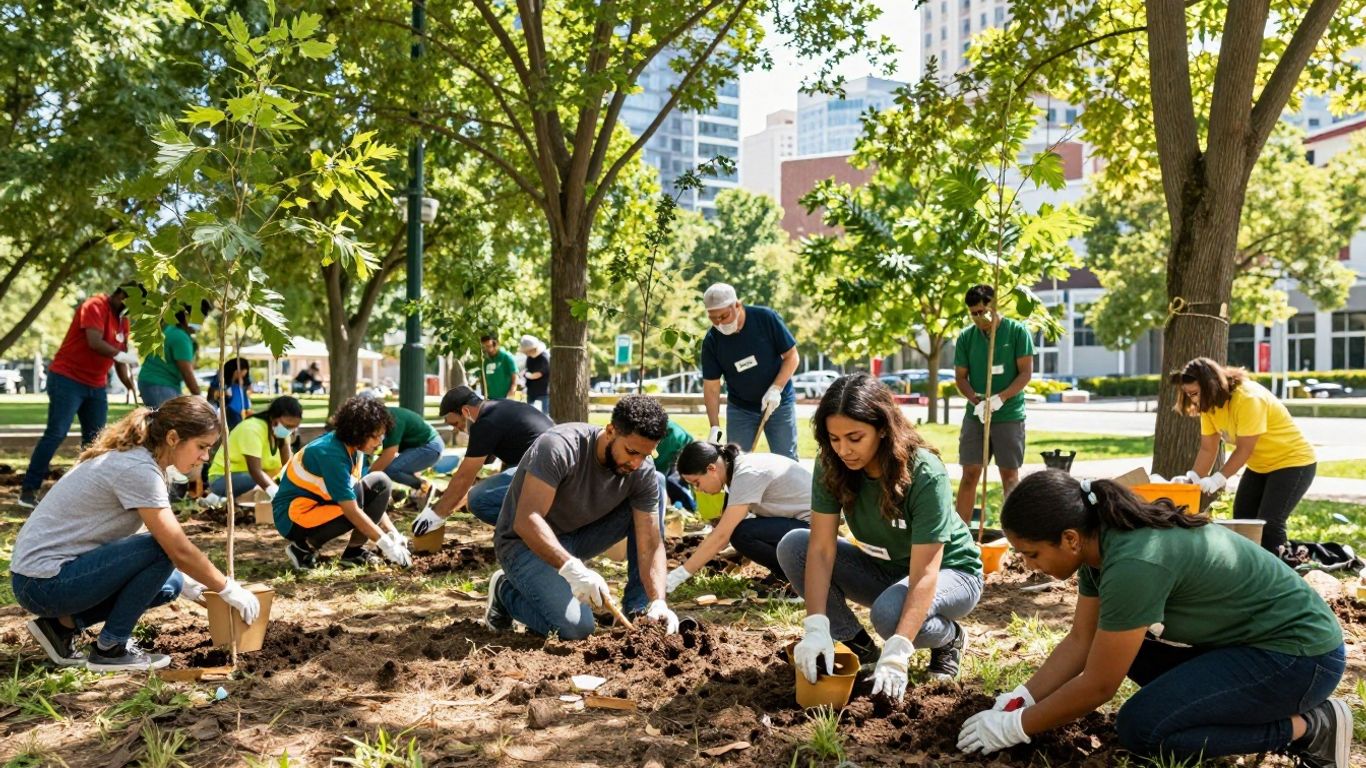
It's one thing to talk about doing good, but it's another to actually make it happen, right? That's where technology and getting your team on board really shine. Think about it: how many times have you seen a company announce a big CSR goal, only for it to fizzle out? Often, it's because they didn't have the right tools to keep things moving or to get everyone involved.
Amazon's Charitable Giving And Sustainability Goals
Amazon has been making waves with its sustainability targets, aiming for net-zero carbon by 2040. They're putting a lot of effort into powering their operations with renewable energy and making their delivery fleet greener. It's not just about the big picture, though. They're also using technology to track their progress and share it, which is pretty neat. Plus, they have programs that encourage employees to volunteer and donate to causes they care about, often with company matching. It’s a way to connect their massive workforce to the company’s broader mission.
Leveraging Technology For Corporate Social Responsibility Impact
When it comes to making a real difference, technology is a game-changer. It helps companies move beyond just talking about CSR and actually do things. For instance, platforms can help manage donations, track volunteer hours, and show the actual impact of these efforts. This kind of data is super important for seeing what's working and what's not. Without it, you're kind of flying blind.
Here’s how tech can really boost your CSR game:
- Streamlined Operations: Software can automate tasks like reporting and tracking, saving tons of time and reducing errors. This means more resources can go directly into the initiatives themselves.
- Better Communication: Digital tools make it easier to keep employees informed about CSR activities, share success stories, and encourage participation. Think internal newsletters, dedicated portals, or even gamified challenges.
- Measurable Impact: Technology allows for precise tracking of metrics, from carbon emissions reduced to volunteer hours logged. This data is vital for demonstrating value and making informed decisions about future strategies.
- Employee Connection: When employees see their contributions being tracked and making a difference, they feel more connected to the company's purpose. This can lead to higher morale and retention.
The right tools can transform a company's CSR program from a nice-to-have into a powerful engine for positive change. They bridge the gap between good intentions and tangible results, making it easier for everyone to get involved and see the impact they're making. It’s about making CSR accessible and actionable for the entire organization.
Companies are increasingly looking for ways to integrate their social and environmental goals into their daily operations. This isn't just about looking good; it's about building a more resilient and responsible business. For example, some companies are exploring advanced security platforms to protect their digital assets, which indirectly supports their overall operational integrity and trustworthiness. It’s all part of a bigger picture where technology plays a key role in achieving both business and social objectives.
Want to see how technology and happy employees can make a big difference? We've got the inside scoop on how to boost your company's success. Ready to learn more about making a real impact? Visit our website today to discover how we can help you achieve your goals!
Conclusion
It's clear that corporate social responsibility isn't just a buzzword anymore; it's a vital part of how successful businesses operate today. From protecting our planet to supporting communities and making sure everyone is included, these companies show us that doing good and doing well can go hand in hand. By looking at these examples, we can all get inspired to think about how businesses, big or small, can make a positive difference. It’s about making smart choices that benefit everyone, not just the company itself. The future of business is definitely one where purpose and profit work together.
Frequently Asked Questions
What exactly is corporate social responsibility?
Think of it as a company's promise to be a good citizen. It means they care about more than just making money. They also think about how their actions affect people and the planet, and they try to do good things for society.
Why do companies do corporate social responsibility?
Well, it helps them build a good name. People like buying from companies they trust. Also, employees often feel prouder and work harder when their company does good things. Plus, sometimes being eco-friendly can actually save them money in the long run.
Can small businesses do corporate social responsibility?
Absolutely! Small businesses can help out their local towns, use less plastic, or make sure their workers are treated well. It doesn't have to be a huge project; even small acts of kindness and responsibility count.
How do companies show they are doing good things?
They might talk about it on their website, in reports, or through their advertising. Some companies have special teams that track their progress and share updates. It's all about being open about what they're doing.
What's an example of environmental responsibility?
A great example is a company that decides to use solar power for its buildings instead of regular electricity. Or maybe they start a program to recycle all their packaging or plant trees to help clean the air.
Does doing good always mean spending a lot of money?
Not at all! Sometimes, the best CSR ideas come from being smart about how you do business. Things like reducing waste, treating employees fairly, or making products that last longer don't always cost extra money and can even save some.

