
Integrating sustainable practices into modern waste management
Key Takeaways
Adopting sustainable waste management practices is no longer an optional ethical choice but a strategic business necessity. The following key points summarize how modern organizations and municipalities are rethinking waste systems:
- Implementing a strict waste hierarchy focuses on reducing and reusing materials prior to any recycling initiatives.
- Emerging technologies like AI, IoT routing, and optical sorting are reshaping the economic viability of recovery facilities.
- Scaling organic waste management and composing at scale represents one of the largest opportunities for diverting municipal landfill volumes.
- Corporate entities must transition from manual metrics tracking to digital ecosystems to accurately capture environmental impact and waste diversion rates.
- Stronger governance, extended producer responsibility laws, and standardized community communications are essential to driving behavioral changes globally.
The core principles of sustainable waste management
Traditional waste disposal methods focuses on collecting and shoving trash out of sight, but modern systems demand a far more integrated perspective. Embracing a systemic approach ensures that environmental health, natural resource preservation, and economic optimization are balanced. By implementing these foundational strategies, organizations can shift away from old linear patterns of consumption and begin to address the global crisis of resource depletion at its source.
Prioritizing the waste hierarchy to reduce, reuse, and recycle
The waste hierarchy stands as the bedrock of any successful environmental initiative. Far too often, organizations leap straight to recycling without addressing the preliminary stages of reduction and reuse, which yields far greater ecological returns. When enterprises prioritize reducing raw material intake, they instantly shrink their cumulative resource footprint and streamline their downstream logistics.
Moving toward a circular economy model
A circular economy model seeks to design waste out of the industrial lifecycle entirely. Materials are kept in continuous recovery loops, preserving their maximum value for as long as possible. Transitioning to this regenerative system requires businesses to assess how their products are created, used, and eventual returned to the production cycle, ensuring that corporate social responsibility goals are supported by actual logistical processes.
Minimizing environmental footprint through diversion
Diversion strategies keep valuable, non-biodegradable raw materials out of landfills, significantly lowering the generation of methane and other harmful greenhouse gases. By analyzing the lifecycle of physical resources, businesses can map exactly where materials end up and redirect them to recycling processes. This active diversion preserves the surrounding ecosystems and lowers the demand for virgin resource extraction, creating a clean pathway toward long-term carbon reduction.
Establishing accountability in waste disposal systems
True accountability requires transparent tracking and reliable data frameworks. Understanding who owns the waste stream at each phase ensures that disposal practices adhere to local requirements and broader corporate promises. By implementing auditable tracking protocols, companies can prove their claims and prevent administrative errors, which is critical for maintaining public trust and avoiding compliance penalties.
Technological innovations in waste processing
Modern facilities have evolved from simple sorting yards into high-tech processing centers that rely heavily on advanced technology. These digital upgrades allow recovery systems to process larger volumes of material with much greater precision. As municipal budgets and corporate sustainability targets tighten, smart systems offer the operational efficiency needed to make recycling financially viable.
Smart sensors for optimized collection routes
Installing internet-operated sensors inside waste containers allows collection trucks to run only when bins are full. This real-time visibility dramatically reduces fuel consumption, cuts down on vehicle wear, and lowers urban carbon footprints. Instead of adhering to rigid, inefficient schedules, collection services adapt dynamically to actual community and industrial needs.
Advances in automated sorting and material recovery facilities
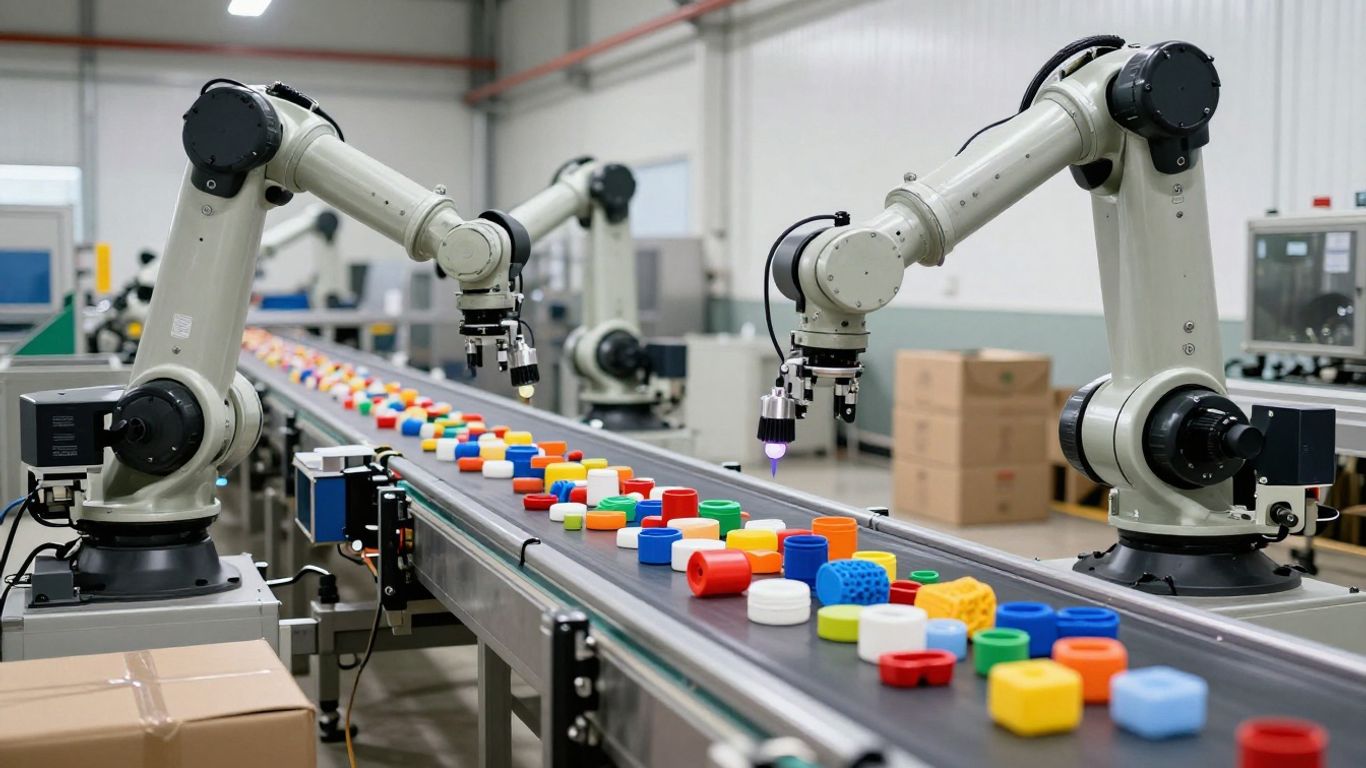
Modern sorting facilities deploy high-speed optical sorters, magnetic separators, and air classifiers to segregate complex waste streams. These automated tools make it possible to isolate high-value polymers and fiber grades that were previously lost to contamination. This technological leap transforms municipal recovery units, helping them produce cleaner, more valuable raw material output for domestic manufacturing markets.
Waste-to-energy technologies and their role in the grid
For materials that cannot be recycled, waste-to-energy systems provide a valuable secondary utility by converting dry municipal trash into heat or electricity. Advanced incineration and gasification systems capture byproduct gases to generate electricity for local grids. This dual benefit reduces the volume of mass heading to landfills while producing a reliable local energy source.
AI-driven analytics for better waste stream mapping
AI software can process massive amounts of visual and structural data to map out precisely what kinds of materials flow through recovery facilities. This digital mapping allows managers to pinpoint bottlenecks, evaluate composition trends, and optimize sortation settings. Utilizing such platforms is key to moving past manual tracking to integrated digital ecosystems, a concept also explored in our guide to Microsoft ESG reporting.
Strategies for corporate waste reduction
Organizations must establish internal frameworks to manage their waste output effectively if they hope to meet stringent corporate ESG targets. A scattershot approach to recycling within an office is no longer sufficient. Companies require deliberate planning, active employee training, and systemic changes to drive real progress across all branches of their physical operations.
Implementing zero-waste policies in physical offices
Zero-waste policies in physical offices mandate a complete reimagining of daily office supplies, pantry systems, and print operations. Transitioning to reusable dinnerware, setting default double-sided printing, and eliminating single-use plastics are simple but highly effective steps. When combined with centralized sorting stations, these policies help firms eliminate the concept of trash from their daily workspace.
Improving supply chain transparency to minimize incoming packaging
To drive down overall waste output, companies must work directly with upstream suppliers to reduce unnecessary packaging materials. This push for transparency allows procurement teams to demand recyclable or returnable shipping crates rather than disposable cardboard and plastic wrap. Improving this supply chain visibility ensures that wasteful materials are stopped before they ever cross the threshold of your facility.
Employee training and workplace engagement programs
Sustainable policies only succeed when employees understand how to execute them in their daily tasks. Structured training programs clarify standard recycling guidelines, reduce contamination in office bins, and cultivate a shared culture of environmental stewardship. Dynamic workshops and clear, simple signage help translate high-level corporate ecological goals into simple, habit-forming daily routines.
Tracking metrics to set and achieve sustainability goals
To ensure target progress is accurate, companies must track their waste metrics through reliable digital systems. This data collection ensures that progress on waste diversion is fully auditable and can be integrated into broader environmental reporting frameworks. Businesses can book a demo to discover how advanced software platforms make tracking corporate waste and Scope 3 emissions straightforward.
To help organizations organize their environmental objectives, they can leverage digital management tools to map out specific programs:
- Establishing baseline waste volumes to understand current landfill diversion rates.
- Designing localized composting rules for corporate pantries to handle organic food waste.
- Consolidating discarded electronics into certified e-waste recovery channels.
- Training office operations managers to perform monthly recycling audits across facilities.
By systematizing these activities, corporations can turn high-level commitments into structured, daily habits.
Municipal challenges and infrastructure planning
Municipalities face the difficult task of balancing tight public budgets with the growing demand for sustainable infrastructure. Processing thousands of tons of daily trash requires resilient logistics, robust facilities, and long-term capital investments. Local governments must modernize their approach to prevent public systems from falling behind changing regional regulations.
Managing organic waste and composting at scale
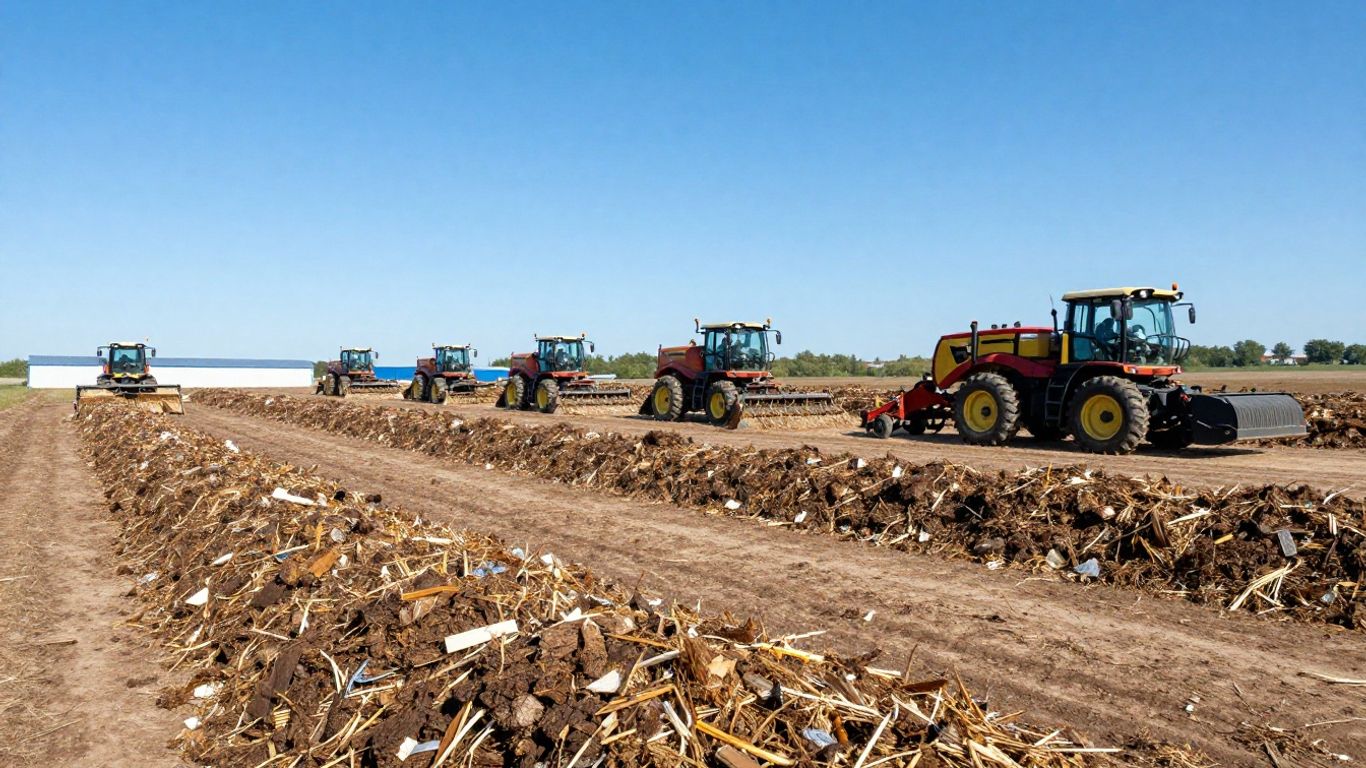
Organic waste is a primary driver of landfill methane, making industrial composting a vital municipal priority. Implementing large-scale composting programs requires specialized processing facilities that can maintain the precise thermophilic temperatures needed to break down food waste rapidly. When executed correctly, these operations turn organic scrap into nutrient-rich compost that can be utilized in public parks and local agricultural programs.
Retrofitting legacy facilities with modern environmental protections
Older municipal landfill sites and recovery plants often lack the environmental safeguards required by modern standards. Retrofitting these legacy sites involves installing synthetic cap liners, advanced leachate collection systems, and modern gas capture technologies. These essential upgrades prevent soil contamination and capture escape gases, protecting both local water tables and the surrounding air quality.
Engaging the public through standardized recycling communication
One of the biggest hurdles to municipal recycling is contamination from consumer garbage, which is often caused by confusing rules. Standardizing the color coding on municipal bins and printing clear, illustrative instructions significantly improves sortation quality. When local authorities communicate simple, consistent guidelines, communities recycle more effectively and sorting facilities experience much lower operational overhead.
Funding models for sustainable waste infrastructure investment
Building modern recovery facilities requires massive upfront capital, pushing cities to look beyond traditional tax revenue. Public-private partnerships, green bonds, and dedicated environmental grants offer alternative funding routes to secure necessary machinery and vehicles. Investing in these long-term models helps build a resilient municipal waste system that can adapt to future growth.
Overcoming barriers to widespread adoption
Despite the clear benefits of sustainable practices, several structural obstacles continue to slow down global adoption. Overcoming these barriers requires aligned public policy, strong financial incentives, and a realistic understanding of consumer psychology. Organizations and governments must work together to build systems where sustainability is the most practical and economic choice.
Navigating regulatory gaps and policy inconsistencies
Inconsistent regional and national policies create confusion for businesses operating across borders. A material that is categorized as recyclable in one municipality might be banned or sent directly to an incinerator in another. Bridging these regulatory gaps requires uniform policy frameworks that provide clear definitions, stable material classifications, and predictable compliance standards for everyone.
Economic viability and the cost of sustainable transition
For many organizations, the upfront cost of purchasing specialized sorting equipment or hiring sustainable transport services remains a significant barrier. While these technologies save money over time, the initial capital expenditure can be difficult to justify on short-term budgets. To help manage these complex financial decisions, companies often use specialized data platforms to track cost-to-benefit ratios, and learning how to select ESG software is a vital first step to organizing these metrics.
To illustrate the cost and efficiency trade-offs of switching from traditional disposal systems to sustainable, circular practices, consider the comparative metrics mapped below:
This comparison demonstrates that while sustainable systems demand higher up-front logistics integration, they eventually provide superior financial and operational predictability.
Addressing consumer habits and behavioral psychology
Human behavior is notoriously difficult to alter, particularly when it comes to daily habits like discarding household items. Many consumers suffer from recycling fatigue or lack the motivation to rinse, sort, and process their packaging correctly. Addressing this requires redesigning product packaging to make disposal instinctive, while utilizing localized incentive structures to reward sustainable consumer choices.
Scaling local successes to global industrial standards
While localized community recycling and pilot composting programs are excellent, scaling these operations to handle industrial-grade waste streams remains difficult. Translating a successful small-scale project into a global corporate logistics network requires international operational standards. Industry leaders must collaborate to establish shared transport, packaging, and regulatory guidelines that function seamlessly across maritime borders.
Future trends in global waste management
As technology and global policy evolve, the next decade is set to bring major advancements in how societies handle discarded goods. Waste is increasingly viewed as a valuable resource repository rather than a liability. Staying ahead of these emerging trends helps organizations remain resilient in a shifting economic and environmental landscape.
Biological treatments and advanced composting solutions
Beyond basic composting, advanced biological treatments are utilizing custom bacterial strains and bio-enzymatic processes to break down complex organic matter. These systems can process mixed organic waste streams quickly, converting them into concentrated bio-fertilizers and biogas. This biological approach maximizes the nutrient recovery from organic matter, returning vital structural minerals back to regional agricultural soils.
The shift toward extended producer responsibility laws
Extended producer responsibility (EPR) regulations are shifting the financial and physical burden of waste disposal onto the original product manufacturers. These laws pressure brands to design products that are simple to disassemble and recycle at the end of their useful life. As EPR legislation expands globally, businesses must integrate end-of-life reclamation strategies into their initial product development stages.
Advancing material science for more recyclable packaging
Material scientists are currently developing new, non-fossil bioplastics and monolayer packaging structures designed for easy recycling. These advanced materials match the barrier properties of traditional multi-layer plastics but dissolve or break down safely without polluting ecosystems. Adopting these new packaging materials helps manufacturers eliminate toxic components, aligning their products with circular economy criteria.
International collaboration on transboundary waste issues
Developing nations have historically borne the brunt of global plastic and electronic waste, but incoming international treaties are changing this dynamic. Global agreements are tightening the rules around transporting hazardous materials across borders, forcing wealthy nations to process their own trash domestically. This international collaboration drives domestic technological investments and ensures a more equitable global recovery system.
Breathe ESG: Track and Optimize Your Environmental Footprint
Transitioning to sustainable waste systems requires highly accurate emissions tracking and comprehensive data coordination across your entire organization. Breathe ESG provides an intuitive, enterprise-grade SaaS platform designed to centralize and automate your ESG reporting. By simplifying the tracking of Scope 1, 2, and 3 emissions alongside standard waste metrics, Breathe ESG helps your compliance and sustainability teams meet global reporting frameworks with confidence. Ready to bring clarity and precision to your sustainability initiatives? Book a demo with Breathe ESG today.
Conclusion
Integrating waste management sustainability into daily workflows is a complex but highly rewarding journey that requires aligning technology, policy, and public participation. By prioritizing the waste hierarchy, investing in smart sorting systems, and implementing clear corporate frameworks, modern societies can actively conserve natural resources and diminish their ecological footprints. As future regulations like extended producer responsibility laws tighten, organizations that proactively digitize their waste tracking, adopt circular economy principles, and focus on systemic data transparency will build lasting operational resilience while contributing to a healthier, cleaner planet.
Frequently Asked Questions
How does sustainable waste management differ from traditional waste management?
Traditional waste management focus is primarily on collecting and disposing of garbage through landfills or incineration. Sustainable waste management prioritizes reducing generation at the source, maximizing reuse, and recycling valuable materials to protect the environment and maintain human health.
What are some of the biggest environmental benefits of diverting waste from landfills?
Diverting waste prevents soil contamination, protects regional water tables from toxic runoff, and significantly cuts down on landfill methane emissions. It also reduces the need for raw material extraction, which preserves natural ecosystems and conserves global resources.
What role do smart sensors play in modern city waste collection?
Smart sensors are mounted inside containers to monitor fill levels in real time, communicating when collection is physically necessary. This allows municipal trucking fleets to optimize their logistics, which reduces fuel consumption and drops overall greenhouse gas emissions.
Why is waste tracking and data accuracy so important for modern corporations?
Organizations need accurate and verifiable data to ensure compliance with emerging regional and international environmental reporting frameworks. Automated digital tracking prevents accounting errors, provides clear proof of diversion efforts, and helps businesses meet their sustainability goals.
What is extended producer responsibility and how does it impact product manufacturing?
Extended producer responsibility is a legislative strategy where manufacturers are held financially and physically responsible for their products' end-of-life disposal. This policy framework forces brands to design goods that are easier to disassemble, reuse, and recycle.
What are the main challenges when establishing organic composting systems at scale?
Industrial composting requires precise control over core temperature, moisture levels, and carbon-to-nitrogen ratios to prevent odors and maximize decomposition. Municipalities must also establish strict sorting instructions to prevent non-biodegradable plastics from contaminating the compost.
How do municipal public-private partnerships help fund green waste initiatives?
Public-private partnerships allow cities to share the high up-front cost of purchasing modern sorting technology and alternative-fuel trucks with private investors. This shared financial structure makes upgrading public infrastructure possible without placing a heavy tax burden on the community.