

Navigating the modern challenges for sustainability
Key Takeaways
Sustainability initiatives represent a vital pivot for modern industry, yet they face multifaceted obstacles that require strategic planning. Here are the most significant hurdles impacting global progress today:
- Resource depletion continues to outpace regeneration, forcing a fundamental rethink of industrial material cycles.
- Financial barriers and short-term quarterly profit pressures frequently stifle the necessary transition to renewable infrastructure.
- Disjointed international regulations create compliance gaps that can impede the effectiveness of genuine environmental disclosures.
- Consumer behavior and systemic inequality remain crucial, often overlooked dimensions in the sustainability equation.
- Advanced software tools are becoming essential to ensure transparency across complex, global supply chains.
Environmental hurdles in global conservation
Global conservation efforts are currently facing a period of intense pressure as environmental systems struggle to maintain equilibrium. These ecological limitations represent the foundation upon which all other economic activities must eventually rest, yet they are often disregarded in traditional planning.
Adapting to accelerated climate change
Climate instability introduces severe volatility into every biological and mechanical system. We must acknowledge that climate change is an ongoing reality affecting global infrastructure, forcing organizations to move beyond theoretical models into active risk management and mitigation strategies. Effective adaptation requires granular data-driven planning rather than reactive disaster management.
Managing natural resource depletion and scarcity
As raw material extraction hits planetary boundaries, the focus shifts to how we manage what remains. Industries that historically relied on infinite growth are finding that resource scarcity is now a primary driver of cost. Understanding the environmental impact of current production methods is necessary to stabilize these dependencies.
Overcoming gaps in circular economy transitions
Moving toward circularity involves far more than simple recycling; it requires a complete redesign of how materials move through industrial loops. The transition remains slow due to infrastructure hurdles and traditional linear economic models that favor disposal over durability as discussed in modern sustainability analysis. We see these challenges clearly when evaluating production waste patterns.
This table illustrates why specific material streams remain more tethered to traditional disposal models than others, necessitating targeted improvements in processing technology.
Business and economic barriers to adoption
Transitioning business models toward meaningful sustainability targets often conflicts with entrenched fiscal expectations. Companies must navigate a difficult environment where the desire for long-term survival competes with the necessity for immediate capital efficiency.
Overcoming short-term profit pressures
Many firms struggle to justify the shift toward sustainability when they operate under the shadow of quarterly earnings reports. This creates a disconnect between the resources required for a green transition and the immediate demands of shareholders. Balancing these needs requires a clear commitment to corporate responsibility that prioritizes long-term resilience over quick returns.
Addressing high initial implementation costs
Upfront capital expenditures for renewable technology and energy efficiency are often substantial. Organizations that Book a demo for specialized platforms often find that these tools help track the necessary ROI data to justify the initial investment to stakeholders.
Navigating complex global supply chain transparency
Visibility into upstream suppliers remains one of the largest hurdles for modern companies. Without precise data, it is impossible to account for the true carbon footprint of a product, making supply chain transparency a critical component of any legitimate sustainability strategy.
Mitigating risks of greenwashing and corporate accountability
Corporate credibility is fragile, and the rise of greenwashing has made stakeholders increasingly skeptical. Authentic performance relies on honest disclosures rather than marketing polish. Organizations are increasingly using standardized reporting frameworks to build trust with their investors and the general public.
Regulatory and policy constraints
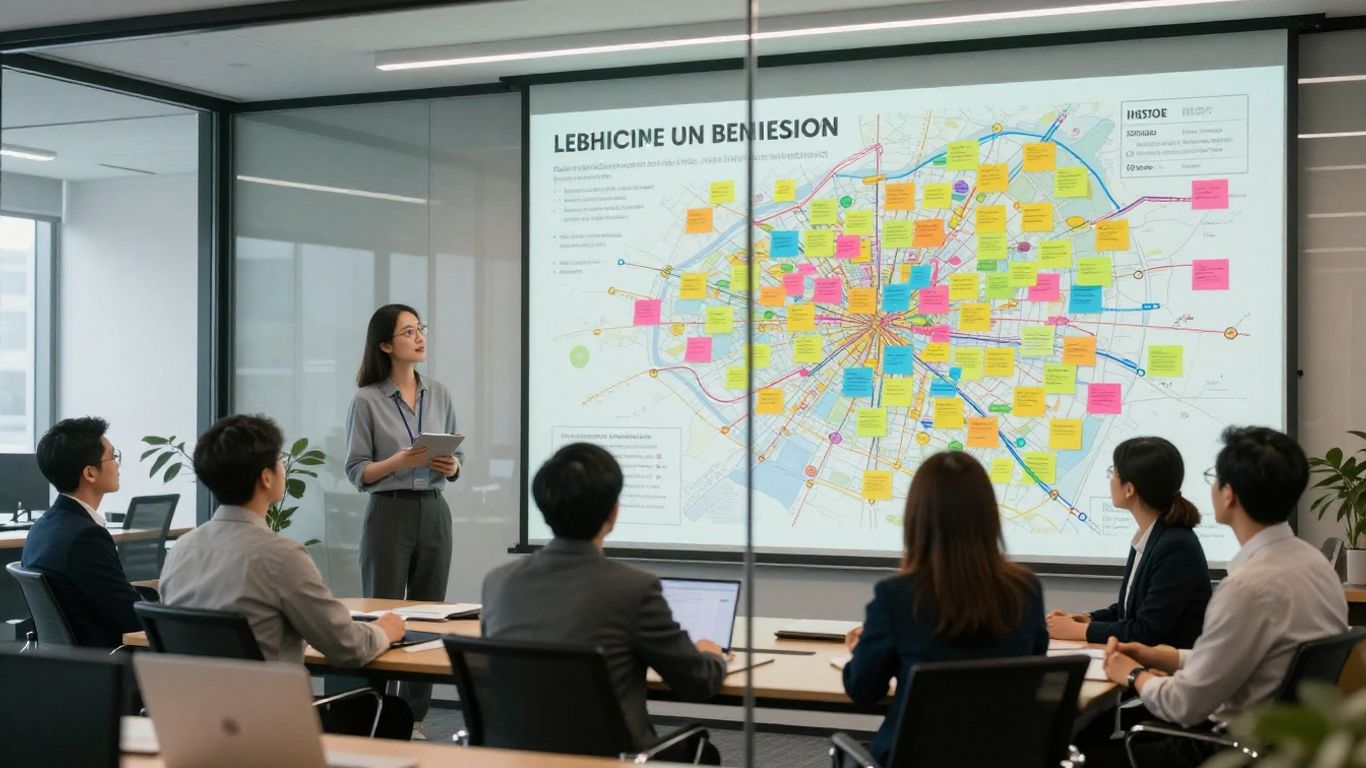
Navigating the patchwork of global environmental mandates is an exercise in complex logistics. Consistency is often lacking, leading to significant administrative strain for companies operating across multiple jurisdictions.
Bridging inconsistent international standards
Businesses often find themselves stuck between conflicting requirements from various regional governing bodies. Harmonizing these goals is a core challenge for sustainability that requires significant coordination between international policy groups and local industry regulators.
Managing political resistance and lobbying
Progress is frequently slowed by industry groups that perceive sustainability initiatives as existential threats to their current business models. These entities often leverage substantial lobbying efforts to delay or weaken environmental legislation, complicating the path for early adopters.
Reducing administrative burdens for environmental compliance
Managing compliance documentation manually is rarely effective as standards evolve. For teams needing to streamline their processes, leveraging professional software like Breathe ESG ensures that companies can maintain audit-ready documentation without overwhelming their internal teams.
Social and behavioral factors
Sustainability is not merely a technical or economic issue; it is intrinsically linked to how individuals perceive their role in the environment. Broad change cannot happen without human buy-in.
Influencing consumer perception and behavior change
While corporate shifts are crucial, the demand side must also evolve to support these new models. Educating consumers on the lifecycle impact of their purchases remains a difficult, yet necessary, project for building lasting market shifts.
Addressing the impacts of socioeconomic inequality
Environmental policy often struggles to account for how sustainability costs are distributed among populations. We must recognize that transition costs can inadvertently burden lower-income communities if social dimensions are not explicitly integrated into policy development.
Solving for the lack of public awareness and education
The gap between public awareness and actual behavioral shifts remains wide. Educational efforts need to go beyond surface-level information to provide citizens with the tools necessary to make informed, long-term environmental choices in their own lives.
Technological and data limitations
Technical hurdles often prevent companies from moving at the necessary speed to meet their climate pledges. Data inaccuracy remains a prevalent issue across many organizations, limiting the efficacy of reporting.
Improving accuracy in carbon accounting systems
Measurement is the first step toward effective change. Many companies rely on estimated data that fails to capture the nuance of their operations, yet sophisticated systems like Breathe Zero allow firms to improve their carbon accounting through high-precision data gathering.
Bridging infrastructure gaps for renewable energy
Energy systems in many developing and established regions are poorly suited for the decentralized nature of renewable electricity. Scaling these solutions requires systemic investment in grid modernization and energy storage capabilities to handle intermittent supply sources.
Balancing production scalability with low-impact manufacturing
Scaling production while shrinking the environmental footprint is a classic engineering trade-off. We must innovate to ensure that industrial growth does not automatically equate to increased environmental degradation.
Achieving meaningful change requires a departure from traditional models that treat extraction and profit as decoupled from planetary limits, replacing them with a circular mindset centered on long-term ecological balance.
When we look at production at scale, we must also consider the following essential steps for balancing efficiency with conservation:
- Integrating automated sensors to track real-time resource consumption metrics.
- Implementing lean manufacturing techniques to minimize physical material waste.
- Transitioning to local supplier networks to reduce the carbon footprint associated with global logistics.
Conclusion
Sustainable growth requires a coordinated effort across technical, regulatory, and social dimensions to overcome the complex hurdles that currently stifle progress. By prioritizing data-backed transparency and long-term organizational health, businesses can transition from reactive reporting to proactive environment stewardship that benefits both the planet and their stakeholders.
Frequently Asked Questions
Why is it so hard to define truly sustainable business practices?
Sustainability is complex because it involves interconnected environmental, social, and economic goals that often compete with one another, making it difficult to find a single, universal metric for success.
How does supply chain transparency impact a company's carbon footprint?
Most of a firm's environmental impact sits in the supply chain, meaning that without visibility into upstream activities, accounting cannot be accurate and improvements often remain local-only.
Can consumers really drive systemic change toward sustainability?
Consumer demand acts as a major signal to businesses and governments; when enough individuals shift their purchasing patterns, it forces industrial systems to adapt their processes to remain competitive.
Why do financial constraints prevent urgent sustainability transitions?
Many sustainability upgrades require high upfront capital costs that conflict with the need for short-term profitability, creating a hurdle for companies focused on immediate earnings.
What role do global agreements play in local conservation efforts?
Global agreements provide a framework of standards and goals that align national policies, preventing a "race to the bottom" where entities avoid responsibility to maintain a local cost advantage.
Are technological solutions alone enough to reach climate goals?
Technology is only one part of the puzzle; without accompanying shifts in personal behavior, corporate governance, and regulatory maturity, technical tools alone will not address the root causes of environmental degradation.
How does socioeconomic inequality affect environmental policy effectiveness?
If the transition to green energy creates economic hardship for certain demographics by removing current livelihoods before creating new ones, the resulting political resistance can stall even the most well-designed policies.

