
Operation management, sustainability and supply chain management: A comprehensive guide
Key Takeaways
Sustainability has become a fundamental component of operational resilience and long-term business strategy. This article explores how modern firms can effectively integrate these practices to achieve environmental, social, and economic goals.
- Sustainability is central to modern operational efficiency and supply chain health.
- The triple bottom line balances long-term economic, social, and environmental outcomes.
- Green supply chains require precise sourcing and integrated logistical optimization.
- Circular economy models prioritize asset longevity and waste reduction as business drivers.
- Advanced technology improves transparency and simplifies regulatory reporting for complex organizations.
Foundations of sustainable operations management
Modern industrial processes require a shift toward holistic evaluation, where firms look beyond immediate output to the environmental and social impacts of their entire lifecycle. Businesses are finding that balancing these factors, often categorized as the triple bottom line, isn't just about charity; it's about operational longevity and resource optimization. Understanding these dynamics is essential for managers competing in a resource-constrained global market, especially when considering the nuances of Operations Management.
Defining the triple bottom line in industrial processes
The triple bottom line framework challenges companies to account for their impact on people and the planet, alongside their traditional focus on profit. By integrating these three pillars, operations managers are better positioned to mitigate risks and identify new efficiencies. This approach turns sustainability into a measurable component of business strategy rather than a vague external goal.
The intersection of operations and supply chain management
While distinct in scope, operations and supply chain management are inherently linked when pursuing sustainable transformation. Operations focuses on internal process efficiency, while the supply chain captures the flow of materials from procurement to the consumer. For instance, manual lead follow-up processes often suffer when they aren't fully integrated with wider organizational sustainability data, leading to missed efficiency gains.
Historical shifts toward environmentally conscious production
Reflecting on industry history, the movement toward cleaner production was initially driven by compliance and risk avoidance. Over time, this focus expanded to encompass competitive advantage, spurred by consumer demand for transparency and a better understanding of sustainable practices. Companies now recognize that environmentally conscious production is vital to meeting the demands of stakeholders and protecting long-term enterprise value.
Strategies for green supply chain management
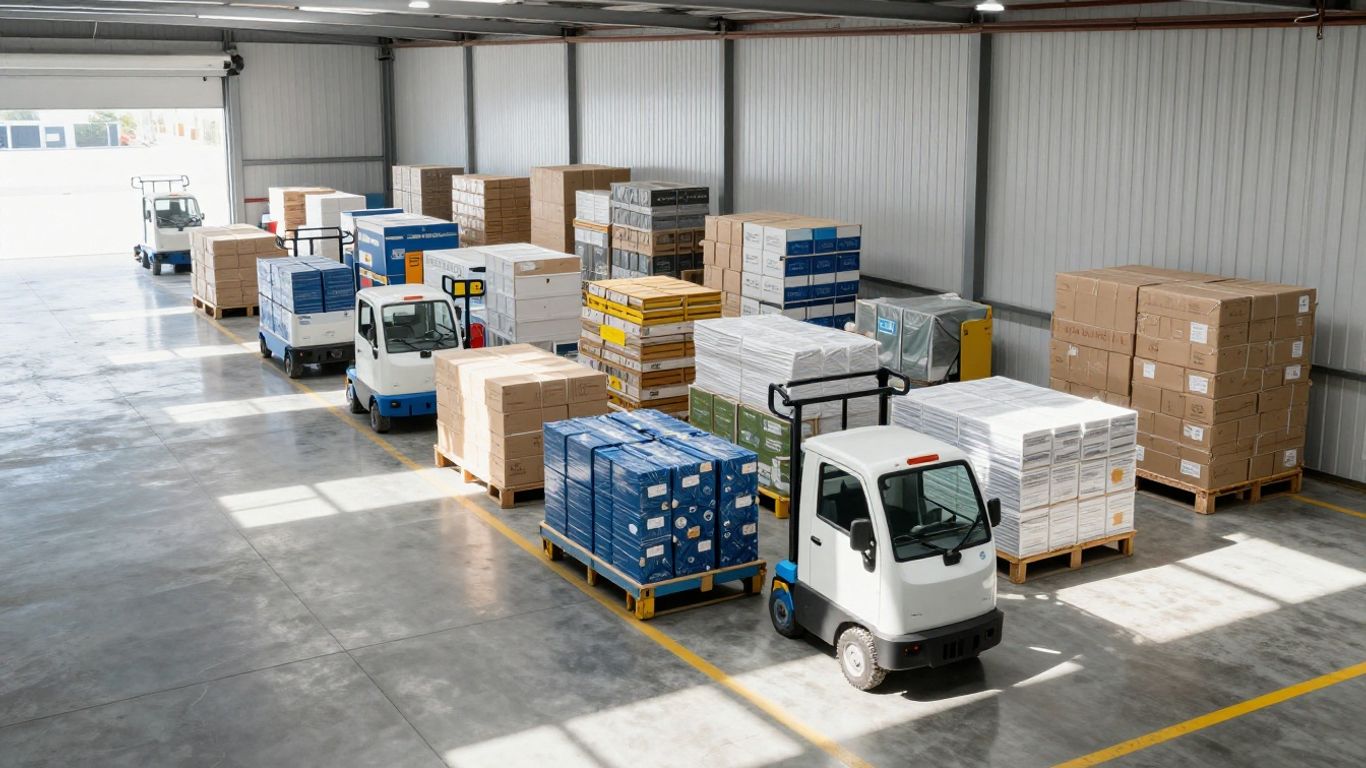
Developing a green supply chain requires a proactive approach to procurement and network design. Leaders in this space focus on eliminating inefficiencies that create carbon intensity and waste at every stage of the product journey. By optimizing inputs and movement, businesses generate a leaner operation that is both cost-effective and environmentally responsible.
Sourcing sustainable raw materials and ethically sourced inputs
Reliable sourcing practices start with rigorous supplier vetting and a commitment to transparency. Organizations must ensure that vendors adhere to ethical labor standards, which often involves cultivate strong merchant and procurement relationships. Establishing clear expectations from the start forces a cascade of positive environmental influence throughout the entire vendor network.
Reducing waste in manufacturing and distribution warehousing
Managers often look for tangible improvements in their physical footprint by auditing throughput and inventory management. When assessing these areas, it helps to focus on key reduction levers that translate to both profit and lower carbon impact:
- Implementing energy-efficient manufacturing processes to lower overall grid consumption.
- Adopting lean distribution techniques to reduce excess inventory across regional warehouses.
- Utilizing recyclable or compostable packaging materials to lower downstream waste sent to landfills.
Optimizing transportation logistics for lower carbon footprints
Transportation remains a major contributor to corporate carbon inventories, making route optimization a critical priority. Modern routing software allows teams to reduce transit times and empty-haul occurrences, directly lowering fuel usage. Firms that successfully align their delivery schedules often find that they reduce total costs while meeting stricter environmental targets.
Implementing circular economy principles
Integrating the circular economy requires rethinking how goods are designed and what happens to them after their life is complete. This shift challenges the traditional make-use-dispose model by keeping assets and materials in circulation for as long as possible. By prioritizing durability and repair, management teams can capture retained value that would otherwise dissipate as waste.
Designing for product longevity, repairability, and reuse
Design choices dictate the sustainability profile of a product long before it hits the production floor. When products are built for modularity, they are easier to disassemble and repair, reducing the churn of short-lived goods. This design phase involves careful consideration of materials and user experience to ensure goods remain functional even as technologies update.
Overcoming logistical barriers to effective reverse supply chains
Reverse supply chains require a fundamental shift in traditional distribution networks, demanding infrastructure that supports the recovery of used assets. Managing these loops can be complex, often requiring new relationships for collection and processing.
These strategies enable companies to reclaim materials, reducing the demand for virgin inputs while lowering their procurement intensity.
Extending asset lifecycles through remanufacturing and refurbishment
Extending the lifespan of industrial equipment and consumer goods is a primary goal of circularity. Through remanufacturing, used components are returned to their original specifications, preventing premature disposal and resource depletion. This practice is inherently linked to providing precision diagnostics and professional maintenance that keep high-value assets operating smoothly for years rather than months.
Leveraging technology for operational transparency
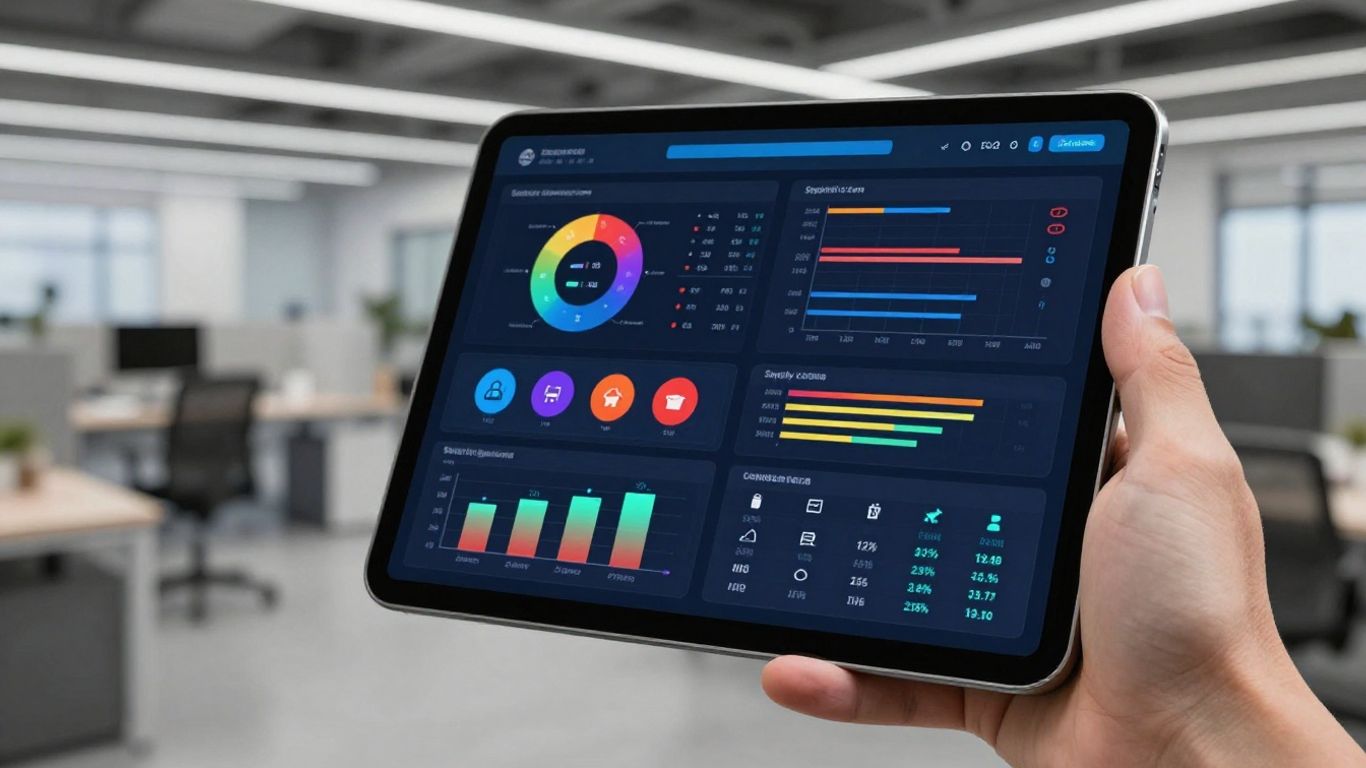
Technology is the catalyst for bringing visibility into opaque supply chains, turning fragmented data into actionable intelligence. By digitizing their oversight functions, firms can track emissions and resource flows with unprecedented granularity. This technological maturity is essential for companies dealing with complex regulatory burdens and demanding stakeholder reporting requirements.
Using blockchain for end-to-end supply chain visibility
Blockchain technology offers a decentralized ledger for tracking the provenance of materials, which is crucial for proving sustainability claims. It acts as an immutable record that confirms social and environmental standards were met at every transfer point. This level of trust helps organizations mitigate the risk of greenwashing and provides verifiable data for audits.
AI-driven predictive analytics in demand forecasting
Predictive analytics tools analyze historical data to refine production quantities, avoiding overproduction and excess waste. For enterprises aiming to scale their ESG compliance, Breathe ESG serves as an AI-powered SaaS platform for ESG reporting, allowing stakeholders to gain real-time visibility into their performance metrics. Using smooth sign-up process standards, organizations can quickly integrate this technology to streamline data management.
IoT sensors for real-time energy efficiency tracking
Internet of Things (IoT) sensors installed across production facilities provide high-fidelity data on energy usage patterns. By identifying peaks in consumption, facility managers can adjust their cooling or machinery operations to reduce drain. This immediate feedback, when combined with centralized reporting tools, ensures the business stays aligned with its broader energy reduction goals.
Measuring success with sustainable KPIs
Tracking the right metrics is essential for converting sustainability from a vague ambition into a functional business directive. Metrics must be precise, auditable, and linked to clear business objectives to gain buy-in from the C-suite. As companies grow, they need to bridge the gap between their financial statements and their environmental performance reports.
Defining measurable environmental and social performance metrics
Effective metrics go beyond surface indicators, capturing Scope 1, 2, and 3 emissions as well as water and material intensity. When teams define these KPIs, they move from reporting high-level averages to identifying exactly which subprocesses contribute to their total environmental footprint. Metrics serve as the baseline for all internal improvement project proposals.
Balancing profit margins with long-term ecological objectives
True sustainability requires accepting the trade-offs between short-term cost-cutting and long-term ecological viability. Managers must justify the costs of sustainable procurement, knowing that the resulting stability—and reduced exposure to resource volatility—protects the bottom line. This balancing act requires rigorous data and strong executive support to stay on track.
The role of ESG reporting in stakeholder transparency
ESG reporting has evolved from a "nice-to-have" disclosure into a non-negotiable metric of corporate transparency. Investors and regulators require verifiable, timely data to evaluate climate risks and social impacts. With Breathe ESG facilitating data management, team leaders can focus on emission tracking and supply chain analysis to satisfy these reporting entities, ensuring that their environmental commitments align with operational reality.
Navigating regulatory and compliance requirements
Navigating the current environment of shifting regulations requires agility and a systematic approach to data collection. Many countries are mandating more rigorous disclosures regarding supply chain practices and human rights impacts. Falling behind in compliance can expose firms to legal challenges and significant brand damage, so staying informed is a top priority for corporate leadership.
Adapting to evolving international environmental standards
International standards are becoming more prescriptive, moving toward requirements for standardized climate-related disclosures. Firms must continuously monitor updates from global governance bodies to ensure that their internal tracking systems can capture the necessary data points. This ongoing preparation helps organizations remain proactive, avoiding last-minute scrambling when new legislative cycles begin.
Assessing tier-one and tier-two supplier compliance
Compliance isn't limited to what happens within an organization's walls; it includes every link in the upstream supply chain. Managing tier-one and tier-two suppliers often requires an aggressive audit program and a set of corrective action protocols for cases of non-compliance. Ensuring these partners adhere to the same standards is critical to minimizing risk and upholding corporate environmental pledges.
Mitigating legal risks associated with modern labor laws
Modern labor laws focus heavily on accountability, making companies liable for human rights issues found within their extended networks. Strengthening the chain of command and ensuring visibility into every geographic node is a vital defense mechanism against legal action. By centralizing management of these labor standards, firms reduce the ambiguity that often leads to systemic compliance failures.
Conclusion
Integrating the complex pillars of sustainability with operational management requires a deliberate commitment to transparency, digital enablement, and consistent measurement. As businesses refine their workflows to meet both economic and environmental objectives, they create a stronger, more resilient foundation that delivers value even in changing market conditions.
Frequently Asked Questions
Why is sustainability integration important for operations management?
Sustainability initiatives reduce resource costs and mitigate supply chain risks, ensuring your business remains competitive and prepared for future regulations while protecting the brand image.
How does the circular economy differ from recycling?
Recycling is a late-stage intervention for waste, whereas the circular economy addresses the design and lifecycle management of products to prevent waste before it happens.
Can AI actually improve sustainability outcomes?
AI processes massive datasets to find efficiencies that manual tracking cannot, such as optimizing demand forecasts, tracking complex emission streams, and identifying potential supply chain bottlenecks in real-time.
What are Scope 3 emissions and why are they difficult to track?
Scope 3 emissions represent inputs and outputs generated by suppliers and customers in the value chain, which are often challenging because they exist outside direct company controlled data systems.
How do regulations affect medium-sized businesses?
Regulatory pressure is increasing for all organizations, and regional laws often align with global standards, making it necessary for mid-sized firms to adopt formalized reporting infrastructure earlier than in the past.
What role does blockchain serve in supply chain transparency?
Blockchain provides a secure, decentralized record of product history, ensuring that sustainability certifications and raw material sources are authentic and difficult to tamper with.
How should an organization start its sustainability journey?
Beginning with a comprehensive audit of existing energy use and waste streams provides the baseline required to set meaningful, achievable KPIs for the entire organization.
Driving Sustainability Through Performance
If you are ready to modernize your internal reporting and align your environmental footprint with strategic business goals, you need a partner that understands the scale of your operation. Get In Touch with us to discuss your requirements and discover the tools you need to succeed.
Get In Touch.