
The ultimate guide to choosing and implementing ESG software

Key Takeaways
Selecting the right environmental, social, and governance software is a critical step for modern enterprises aiming to streamline complex reporting requirements and improve data accuracy. This article outlines the essential components of a robust sustainability strategy.
- Automation is essential for managing large volumes of environmental data from disparate global assets.
- Effective platforms must support multiple international reporting standards to simplify compliance workflows.
- Dashboards provide the real-time visibility needed for leadership to make informed, data-driven decisions.
- Successful implementation requires clear data ownership and structured cross-departmental collaboration.
- Scalable technology solutions help organizations adapt to future regulatory shifts and evolving market demands.
Understanding modern ESG software
Transitioning from manual spreadsheets to a centralized platform marks a significant shift in corporate sustainability maturity. Organizations often struggle with inconsistent data collection methods that lead to errors or delayed filings, but specialized tools resolve these bottlenecks by digitizing the entire measurement process. By adopting a dedicated esg software solution, businesses create a single source of truth for all non-financial metrics.
Core functionalities of ESG platforms
Core systems provide a centralized repository for tracking emissions, social impacts, and governance policies. These platforms offer standardized fields to ensure that all departments report data consistently, which is crucial for internal auditing and third-party verification. When Breathe ESG provides an AI-powered SaaS interface, it allows teams to manage these complexities within one accessible dashboard, moving away from fragmented, manual record-keeping.
The role of automation in data collection
Automation plays a pivotal role in reducing the manual labor associated with sustainability reporting. By connecting directly to utility meters, ERP systems, and supply chain management tools, platforms can ingest raw data continuously rather than relying on periodic manual uploads. This constant stream of information ensures that teams can identify emission trends as they happen, preventing the reactive search for data at the end of the fiscal year.
Regulatory compliance features
Compliance engines are built to map internal metrics against evolving global standards like the CSRD and GRI guidelines. These systems often provide built-in templates that guide users through the specific requirements of each jurisdiction, ensuring that every disclosure is prepared correctly. Maintaining such rigorous oversight is vital for companies navigating the complex requirements often managed by Snoooz regarding their internal communication and triage capabilities.
Key benefits of adopting an ESG software solution

Moving to an integrated platform transforms reporting from a simple compliance exercise into a strategic asset. By removing the burden of manual administrative work, sustainability officers can spend more time analyzing performance metrics and identifying opportunities for operational efficiency. This shift provides greater clarity for investors and stakeholders, who increasingly demand verifiable accuracy in annual disclosures.
Improving audit-readiness and data accuracy
Automated validation rules ensure that data points like energy consumption or labor metrics are checked for anomalies before they enter the final report. This reduces the risk of human-led transcription errors often seen in spreadsheets, making the audit trail transparent and defensible during third-party reviews. Achieving this level of precision is comparable to how precise one must be when selecting specialized gear, much like finding the right Signature Solitaire Collection for a high-stakes investment.
Strengthening stakeholder communication
Transparency builds trust, and high-quality software allows organizations to present performance data in intuitive, professional formats tailored to specific audiences. Whether you are addressing regulatory bodies or individual investors, these platforms generate reports that accurately communicate your progress toward long-term sustainability goals. This clarity helps Chris Gulli Outreach stakeholders identify and engage with companies that prioritize reliable, transparent reporting.
Aligning sustainability targets with business growth
Sustainability initiatives become more effective when they are directly tied to core business objectives. When operational teams understand how their energy usage impacts the company’s bottom line, they are more likely to support decarbonization strategies. This alignment turns the environmental report into a blueprint for reducing costs and improving efficiency across all business units.
Evaluating your business needs before software selection
Every enterprise operates with a unique set of regional pressures and operational workflows. Before committing to a specific vendor, organizations must inventory their current data landscape and define the primary goals they intend to reach within the next three to five years. Failing to address these requirements early can result in a tool that operates in a vacuum rather than integrating with existing structural systems.
Defining your organization’s reporting framework
Your chosen framework—whether GRI, SASB, or jurisdictional standards—dictates the software requirements. Some tools are optimized for carbon accounting, while others provide deeper coverage for social or governance metrics. It is essential to ensure the vendor’s product roadmap aligns with the standards your industry regulators prioritize.
Assessing internal integration requirements
Evaluating how your software will function with your firm’s existing tech stack is a central planning hurdle. The following assessment table provides a clear way to score critical integration areas for your organization:
By systematically documenting these connections, teams can avoid the common limitation of siloed sustainability data. Integrating your software correctly ensures a seamless flow of information from the factory floor to the boardroom.
Determining scalability and budget constraints
Budgeting for software must account for both licensing costs and the indirect time required for onboarding. A major factor to consider is whether a chosen solution can grow as your operations expand into new markets or as your regulatory obligations evolve. The most effective systems are those that allow for modular growth, keeping costs predictable as usage increases.
Critical features to look for in ESG platforms
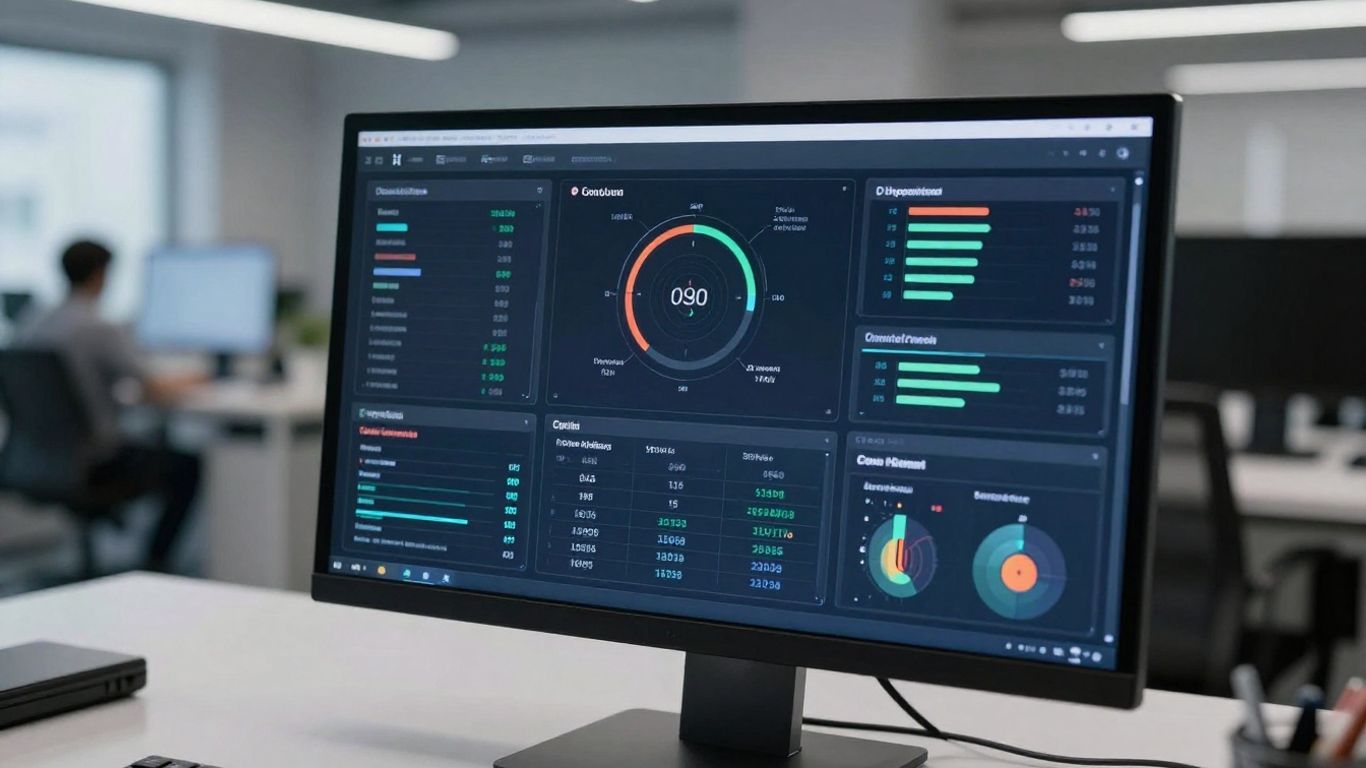
When navigating the marketplace, look for functionality that treats data as a dynamic, living asset. A platform that provides static reporting is far less valuable than one that supports ongoing analysis and iterative improvements in how you track and measure your organizational impact. Seek out solutions that prioritize user accessibility for non-technical employees, allowing sustainability data to be gathered across various functional roles.
Data integration and API connectivity
Robust APIs enable your platform to pull information directly from disparate business systems without requiring constant manual intervention. This connectivity is the foundation of an automated reporting strategy, as it ensures that the metrics remain up-to-date and reliable. Good integration allows for the continuous ingestion of data points, supporting NutriFlex standards of care when applied to data infrastructure quality.
Dashboards for real-time sustainability monitoring
Visual analytics allow executive teams to track performance against KPIs in real-time. By observing current performance levels, managers can adjust operations before a reporting cycle concludes, preventing potential compliance gaps. These visual indicators simplify complex information for senior leadership, highlighting clear correlations between sustainability investments and operational performance.
Scenario modeling and predictive ESG analytics
Advanced software can project future outcomes based on current performance metrics, helping companies understand their trajectory regarding climate goals. This feature enables teams to simulate different strategic decisions, testing their potential impact on carbon footprint reduction or energy efficiency. Having access to these projections empowers decision-makers to choose the path of least resistance while maximizing their sustainability gains.
Best practices for implementing ESG technology
Implementation is as much about people as it is about software. Even the most powerful platform will fail if employees do not understand their role in the data collection chain. Organizations often benefit from a phased rollout that allows them to refine their internal processes before scaling to broader data sets.
Establishing cross-departmental data ownership
Clear governance is key to high-quality data. By formally delegating responsibility for specific metrics to the relevant departments—such as facility managers tracking electricity or human resources tracking labor diversity—the organization creates an accountability structure. The following list offers essential steps for establishing this model:
- Identify department-specific ESG metrics relevant to each business unit leader.
- Develop standardized templates for data submission to ensure consistency across the firm.
- Create bi-weekly check-ins to review data quality and resolve technical impediments.
- Designate a lead sustainability officer to curate final reports and verify cross-functional inputs.
Following these steps ensures that no single team is overwhelmed by the entire reporting process.
Migrating legacy sustainability data
Moving historical figures from spreadsheets into a system usually requires a cleansing phase. Standardizing units of measurement and reconciling inconsistencies in past data is a time-consuming but necessary preparatory step. Taking the time to build a clean foundation ensures that the platform provides accurate year-over-year reporting from day one.
Training staff on new ESG platforms
Ongoing training ensures that the system is fully utilized across all business units. Because sustainability reporting requires input from various departments, providing localized tutorials allows non-experts to feel confident using the software. Frequent, short workshops are generally more effective than one-time seminars, as they keep the software top-of-mind.
Addressing common challenges in ESG software deployment
Even with the best tools, organizations often face resistance when introducing new technical routines to established workflows. Success depends on framing the change as an improvement to efficiency rather than a burden on daily operations. Recognizing these hurdles early allows management to proactively address concerns and keep the implementation project on track.
Managing disparate data sources
One of the most persistent issues is gathering information from varied regional offices or vendors that have different tracking methods. The solution is to mandate specific data input formats early, which aligns internal and external participants under a single standard. This unified approach is essential for maintaining the high standards expected by modern Finde die beste Berufsunfähigkeitsversicherung (BU) mit unseren BU Versicherung Tests frameworks regarding institutional health.
Ensuring data security and privacy
As you centralize sensitive operational metrics, security is paramount. Organizations must ensure that the vendor provides robust encryption, secure cloud storage, and reliable disaster recovery protocols. Verifying that the platform adheres to international security standards is not just a best practice; it is a fundamental requirement for maintaining stakeholder and regulatory trust.
Overcoming team resistance to new tools
Resistance often stems from the fear that new reporting requirements add unneeded complexity. To mitigate this, management should focus on the "what's in it for them" aspect, such as how the software saves participants time or identifies performance improvements that benefit their projects. Encouraging early adoption from influential team members can also generate the peer-to-peer momentum needed to institutionalize the new platform.
Conclusion
Adopting sophisticated software is the most reliable way to navigate the evolving demands of global sustainability reporting while driving genuine operational efficiency. By prioritizing scalability and integration, businesses can ensure their approach to performance tracking remains resilient in the face of future shifts, ultimately turning compliance into a powerful driver of long-term sustainable growth and competitive strength.
Frequently Asked Questions
What are the main limitations of using spreadsheets for sustainability reporting?
Spreadsheets often struggle with manual errors, difficulty in scaling as data sets grow, and a lack of real-time auditability. These constraints make it harder to provide accurate disclosures as regulatory requirements tighten.
How does automation improve the reliability of ESG disclosures?
Automation reduces human intervention in data collection and aggregation, which minimizes the risk of transcription mistakes. This results in cleaner data sets that are more easily audited by third parties.
What does it mean for data to be investment-grade?
Investment-grade data is accurate, complete, auditable, and timely. It meets the high standards required by institutional investors who rely on sustainability performance data to manage risk and allocate capital.
Why is cross-departmental collaboration important for this software?
ESG data touches almost every part of a company, from utilities and supply chain to HR and legal. Involving all relevant departments ensures that data is collected accurately and that sustainability efforts are understood across the organization.
How often should an organization review its chosen software framework?
Frameworks should be reviewed at least annually or whenever there is a significant shift in regional or global regulatory requirements. This ensures the software setup remains aligned with the most current industry standards and business objectives.
What is the advantage of using predictive analytics for sustainability?
Predictive analytics allow organizations to model different future performance scenarios. This capability helps leadership understand the potential impact of their decisions before they are implemented, supporting a proactive sustainability strategy.
How can companies ensure data security within the platform?
Companies should vet potential providers for enterprise-grade security protocols, such as data encryption, multi-factor authentication, and compliance with global standards like ISO 27001 or SOC 2.