

Understanding integrated reporting ESG: A comprehensive guide for modern businesses
Key Takeaways
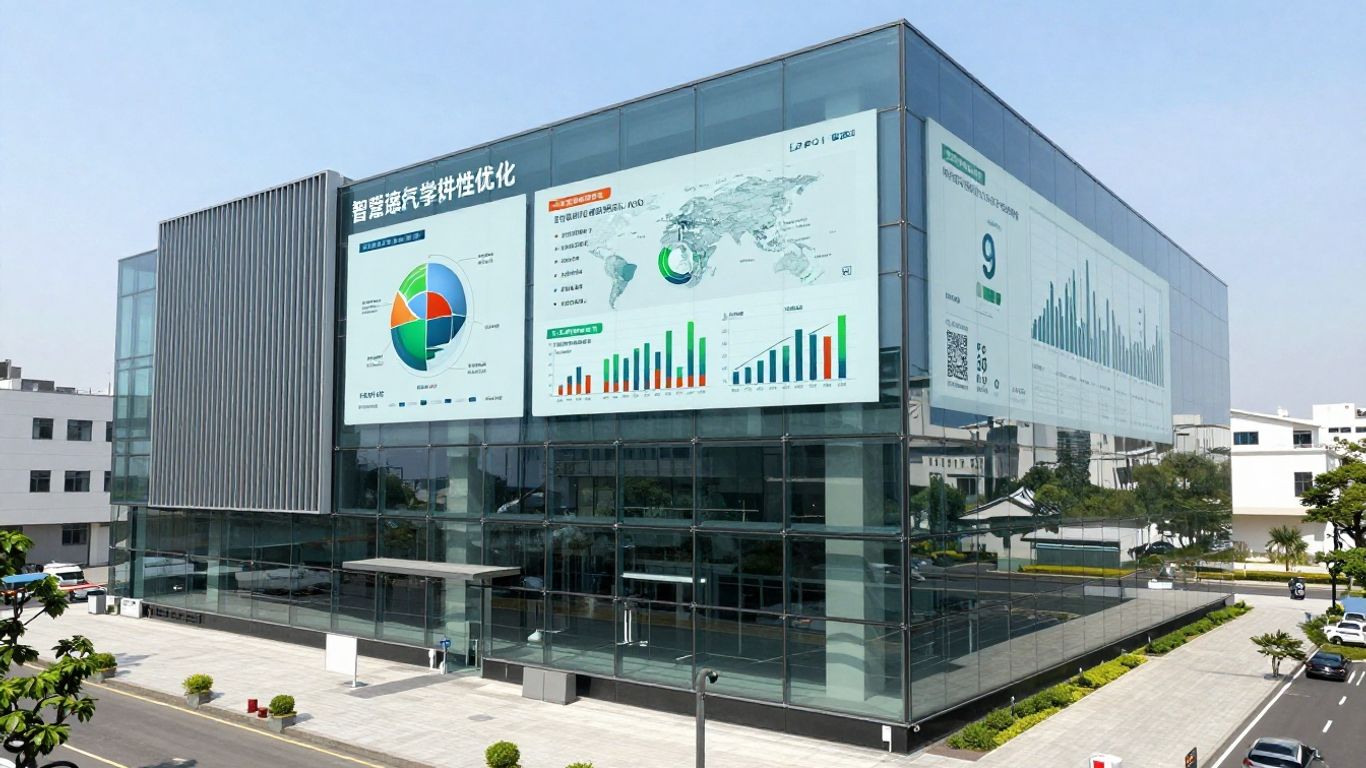
Adopting a holistic approach allows organizations to bridge the gap between financial performance and sustainability impact. This shift requires strategic alignment, clear data governance, and the integration of diverse reporting standards.
- Integrated reporting provides a unified view of corporate value.
- Sustainability metrics are now essential for driving investment decisions.
- Navigating multiple frameworks requires robust data management systems.
- Cross-functional collaboration is vital for accurate ESG metrics.
- Technological automation reduces reporting friction and improves auditability.
The foundations of integrated reporting ESG
Defining integrated reporting versus traditional financial reporting
Traditional financial reporting focuses primarily on historical balance sheets, failing to capture the intangible assets that drive long-term competitive advantage. In contrast, integrated reporting connects financial data with environmental, social, and governance metrics to provide a fuller picture. By treating these areas as interlinked rather than separate, companies create a clearer narrative for their investors and stakeholders.
Why ESG metrics are central to long-term value creation
Modern markets increasingly recognize that a company's ability to create value depends heavily on its non-financial performance. When businesses track ESG metrics directly alongside their income statements, they reveal hidden risks and opportunities. This connection is not merely for show; it is an economic imperative that ensures transparency aligns with investor needs.
Aligning stakeholder expectations with transparency and data integrity
Stakeholders, including regulators and consumers, deserve accurate and honest disclosures about organizational impact. Achieving this requires a commitment to high-quality data collection where internal teams maintain consistent standards across every department. Cultivating trust through transparent behavior avoids the social complexities linked to grievances, which can otherwise damage long-term reputation and loyalty.
Benefits of implementing integrated reporting ESG

Enhancing investor trust and capital allocation
Investors actively seek companies that can demonstrate stability through high-quality non-financial data. When a firm provides a transparent, consolidated view of its health, capital allocators can make better decisions, reducing the risk of capital flight and lowering the cost of borrowing for future growth initiatives.
Strengthening strategic risk management and resilience
Organizations that understand their environmental and social footprint are better prepared for global volatility. Using frameworks like TCFD helps management teams identify climate-related financial risks before they impact the bottom line. This proactive posture builds institutional resilience, allowing firms to pivot effectively when market or regulatory winds shift.
Improving internal processes and corporate decision-making
Effective reporting relies on clean, accessible information which helps decision-makers streamline their internal cycles. By utilizing Breathe ESG as an AI-powered SaaS platform, firms centralize their reporting efforts to improve data reliability. This creates a feedback loop where leadership uses exact performance insights to drive operational efficiency throughout the enterprise.
Key frameworks and standards for ESG disclosure
Navigating IFRS sustainability disclosure standards
The landscape of regulations is rapidly shifting as jurisdictions move toward compliance-heavy environments. Understanding these rules is a prerequisite for any global operation, ensuring that disclosures meet the high bar set by international boards for comparability and rigor.
Aligning with GRI and SASB reporting requirements
Companies often struggle to reconcile the diverse needs of different reporting bodies. Adopting ESG reporting solutions allows teams to standardize their inputs so that they satisfy GRI and SASB criteria without duplicative manual work. This alignment ensures that every report generated serves the needs of specific industry investors while adhering to global norms.
Managing multi-framework compatibility for global operations
Global enterprises face the daunting task of meeting varied legal requirements across continents. Mastering this complexity involves mapping each local need against a central repository of sustainability data. When these pieces align, the organization achieves reliable corporate compliance during shifts in local policy.
Steps to build an integrated reporting strategy

Conducting a professional materiality assessment
Materiality assessments allow management to focus resources on the topics that significantly impact their stakeholders and business performance. By ranking these items, leaders gain clarity on what drives their actual market position.
The table above outlines how a structured assessment clarifies which performance indicators necessitate frequent tracking versus annual review.
Engaging cross-functional teams across finance and sustainability
Breaking down internal silos is the only way to ensure the financial story and the sustainability story remain one and the same. Sustainability managers and finance officers must work as a synchronized unit rather than in parallel tracks.
- Establish regular reporting syncs between departments.
- Define shared ownership for ESG data accuracy.
- Assign clear roles for interpreting non-financial metrics.
- Integrate data collection points into existing financial software.
This workflow ensures that the final disclosures reflect the company's true state rather than fragmented estimates.
Setting internal controls for reliable ESG data accuracy
Internal controls create the foundation for audit-ready reporting. Using an automated system provided by Breathe ESG to process data allows for the consistent application of standards. These controls facilitate audit-ready data and transparent reporting, turning raw operational figures into stable, investor-trusted disclosures.
Common challenges in ESG integration
Ensuring auditability of non-financial performance metrics
Verifiable ESG data is now effectively the heartbeat of successful modern reporting. When an organization cannot trace a figure back to its source, that metric loses value in the eyes of auditors and external investors.
Overcoming operational data silos between departments
Data often remains trapped in specific functional groups, such as facilities management or human resources. Utilizing sustainability strategy software bridges these gaps, ensuring that all teams input information into a common, secure architecture that serves the entire enterprise.
Balancing qualitative sustainability narratives with quantitative data
While numbers provide the structure, the qualitative story provides the needed context. Leading firms emphasize their commitment to organizational long-term goals by explaining the why behind their emission reduction efforts, ensuring data points are interpreted within a broader strategic lens.
Future trends in integrated reporting
The role of technology in automating ESG tracking
Technology will continue to play a foundational role in how firms manage their Scope 3 emissions. Relying on an advanced Breathe ESG platform allows companies to scale as their tracking needs deepen, moving from manual entry to real-time analysis.
Evolution of mandatory disclosure requirements across jurisdictions
Mandatory reporting is becoming the global standard rather than the exception. Organizations that have already invested in robust infrastructure for their ESG disclosures will find themselves ahead of the curve as new legislative cycles begin.
Moving toward real-time sustainability performance metrics
Future reporting will likely transition from static annual updates to ongoing performance monitoring. By incorporating Corporate Social Responsibility goals into live dashboards, companies will provide a continuous flow of data that keeps them competitive and transparent.
Conclusion
Integrated reporting is not just a regulatory hurdle but a pathway to clearer business communication and long-term resilience. By unifying financial and non-financial data, companies build deeper trust with stakeholders and strengthen their strategic decision-making capacities for the evolving global economy.
Frequently Asked Questions
What does integrated reporting include?
Integrated reporting combines a company’s financial stability data with non-financial performance metrics like environmental impact, social responsibility, and governance standards into one cohesive narrative.
Why is the double materiality approach important?
Double materiality is vital because it asks firms to report both on how sustainability issues affect their financial health and on how their business activities impact the broader environment and society.
How does integrated reporting differ from annual reports?
While standard annual reports focus heavily on historical financial data for shareholders, integrated reporting provides a holistic, forward-looking view that includes intangible assets and long-term strategic risks.
Can smaller companies implement integrated reporting strategies?
Yes, smaller enterprises can adopt integrated reporting to compete more effectively by demonstrating their commitment to transparency and efficiency to prospective partners and investors.
What are the main benefits for institutional investors?
Investors prefer integrated reporting because it provides comparable, unified data that allows them to assess a company’s risk profile and its potential for long-term growth more accurately.
Does integrated reporting replace stand-alone ESG reports?
It often consolidates them, as the goal of integrated reporting is to provide a single, unified story rather than maintaining fragmented, separate documents that may confuse stakeholders.
Is the adoption of integrated reporting becoming mandatory?
Many regions now enforce certain mandatory disclosure requirements, and the trend suggests that integrated reporting will become the standard requirement for all large and medium-sized corporations globally.

