

Understanding Your Local Watershed: A Comprehensive Guide
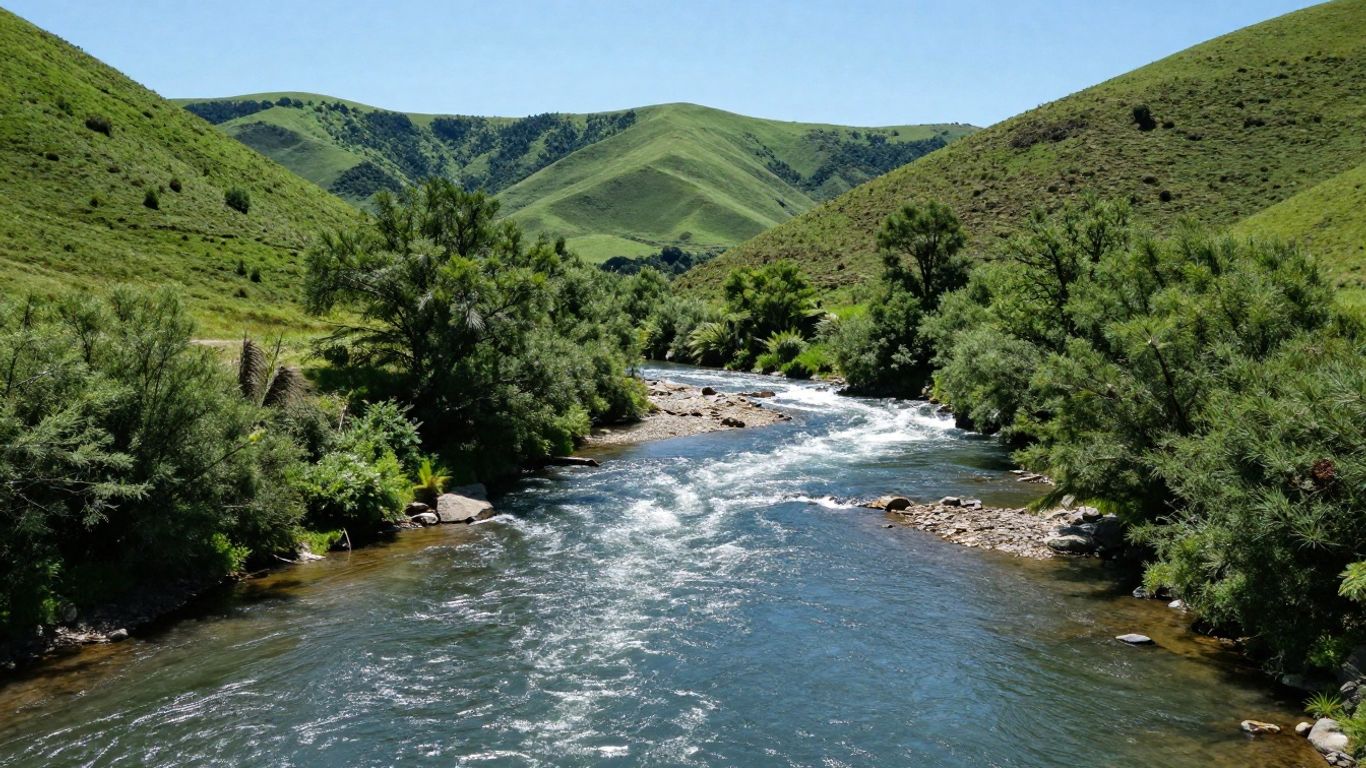
We all live somewhere, and that 'somewhere' is part of a bigger system: our local watershed. Think of it as the natural plumbing for our region, where all the water that falls on the land eventually collects and flows to a common point. Understanding your watershed is like getting to know your neighborhood's hidden connections. It helps us see how land use, from the smallest backyard to large farms, affects the water we drink, the wildlife around us, and the overall health of our environment. It’s not as complicated as it sounds, and knowing the basics can help us all be better neighbors to our local waterways.
Key Takeaways
- A watershed is simply the area of land where all the water that falls drains to a single spot, like a river or lake.
- Things like the size of the land, how steep it is, the type of soil, and the plants growing there all change how water moves.
- Studying watershed science helps us protect our water, keep animals' homes safe, and make sure we have enough water to use.
- What we do on the land, like building cities or farming, can impact the watershed, sometimes causing pollution or changing water flow.
- Taking care of a watershed means planting trees, managing rain runoff, and fixing damaged areas to keep things balanced.
Understanding Your Watershed's Fundamentals
So, what exactly is a watershed? Think of it like a giant, natural funnel for water. It's basically any piece of land where all the rain and snowmelt collects and eventually flows to a single, common spot – maybe a river, a lake, or even the ocean. It doesn't matter where on that land the rain falls; it's all going to end up in the same place. This interconnectedness means that what happens in one part of the watershed can affect water quality and quantity far downstream. Understanding these areas is key to managing our water resources effectively.
What Is a Watershed?
A watershed, sometimes called a drainage basin, is defined by the land's shape. It includes all the hills, valleys, streams, and rivers that direct water flow. Imagine standing on a hilltop; the land slopes away from you in different directions. Each direction leads water to a different watershed. The boundaries between these areas are called divides. These are usually ridges or higher ground that separate one drainage basin from another. It's a pretty neat system that nature has set up. You can find maps showing these areas on government websites.
Key Characteristics of a Watershed
Watersheds aren't all the same, of course. They have different features that affect how water moves through them. Some of the main things we look at are:
- Area and Length: How big is the watershed, and how far does the main river or stream stretch?
- Slope: How steep is the land? Steeper slopes mean water runs off faster.
- Soil Type: Some soils soak up water easily, while others don't.
- Vegetation: Plants play a big role in slowing down water and helping it soak into the ground.
These characteristics really change how a watershed behaves, especially when it comes to things like flooding and how clean the water stays. For example, a watershed with steep slopes and little vegetation will likely experience faster runoff and potentially more erosion compared to a flatter, heavily forested one.
Watershed Divides and Boundaries
As I mentioned, divides are super important. They're like the invisible lines that tell water where to go. If you're standing on a divide, the rain falling on one side will flow to one river system, and the rain on the other side will go to a completely different one. These boundaries can be obvious, like a mountain range, or sometimes they're just subtle changes in the land's elevation. Understanding these divides helps us figure out which areas are connected and how water pollution might spread from one place to another. It's all about tracing the water's path, from the highest point all the way down to where it collects.
The health of a watershed is a direct reflection of the activities happening within its boundaries. It’s a reminder that what happens upstream always affects what’s downstream.
Factors Influencing Watershed Dynamics
So, what makes a watershed behave the way it does? It's not just a random collection of land and water; several key factors really shape how water moves through it. Think of it like a complex natural plumbing system.
The Role of Area and Length
The size of a watershed, its total area, is pretty straightforward. A larger area means more land to catch rain and snow, which can lead to bigger rivers and streams because there's simply more water collecting. These larger watersheds often contain smaller ones within them, like nested Russian dolls. Watershed length, on the other hand, describes the journey water takes from its highest point down to where it empties out. A longer watershed might mean water travels a more winding path, which can slow things down and give it more time to soak into the ground. Shorter ones? Water can rush through faster, potentially causing issues during heavy rain and leading to quick floods. Understanding these dimensions helps us predict how much water might flow and how quickly.
How Land Shape Affects Water Flow
The steepness of the land, known as its slope, is a big deal. Steep slopes make water pick up speed. It's like sliding down a hill versus walking down a gentle ramp. Fast-moving water can carry away more soil, a process called erosion, and doesn't have much time to seep into the ground. Gentle slopes allow water to move more slowly, giving it a better chance to infiltrate the soil and recharge groundwater. We can even get a rough idea of slope with a simple formula: Slope = (Vertical Drop / Horizontal Distance) x 100%. So, a 10% slope means for every 100 meters you travel horizontally, you go up or down 10 meters vertically.
Impact of Impervious Surfaces
What the ground is made of also matters a lot. Different soils act like different sponges. Sandy soils let water pass through pretty easily, meaning high infiltration, but they don't hold much water. Clay soils are the opposite; they're dense and don't let water in easily, so more water runs off the surface. Loamy soils, a mix of sand, silt, and clay, are often the best for both letting water in and holding onto it for plants. The type of soil in a watershed dictates how much water can soak into the ground versus how much flows over the surface. This directly impacts how quickly rivers rise and how much water is available for plants and underground storage. Finally, plants! Trees, grasses, and shrubs are like the watershed's natural caretakers. Dense vegetation acts like a speed bump for rainwater, slowing it down. The roots help hold soil in place, preventing erosion. Plus, plants drink up water and release it back into the air, which is part of the water cycle. When you remove vegetation, especially in large areas, you often see more runoff, more erosion, and less water soaking into the ground. It's a domino effect that can really change how a watershed behaves. The amount of pavement, rooftops, and compacted soil in a watershed also plays a huge role. These impervious surfaces don't let water soak in. Instead, rain hits them and runs off quickly, carrying pollutants with it. This can overwhelm storm drains and lead to flash floods.
The health of a watershed is a direct reflection of the activities happening within its boundaries. It’s a reminder that what happens upstream always affects what’s downstream. We can even get a rough idea of slope with a simple formula: Slope = (Vertical Drop / Horizontal Distance) x 100%. So, a 10% slope means for every 100 meters you travel horizontally, you go up or down 10 meters vertically.
Here's a quick look at some common pollutants and their sources:
- Sediment: From construction sites, agriculture, and erosion.
- Nutrients (Nitrogen and Phosphorus): From fertilizers, animal waste, and sewage.
- Chemicals: From industrial discharge, pesticides, herbicides, and household products.
- Trash and Debris: From littering and improper waste disposal.
Exploring how to analyze watersheds? We've got the best methods and tools to help you understand these vital water systems. From mapping to data collection, we cover it all. Want to dive deeper into watershed analysis? Visit our website to learn more and discover how we can help you manage water resources effectively.
Mapping and Analyzing Your Watershed

So, you've got a handle on what a watershed is and why it matters. Now, how do we actually see what's going on in yours? That's where mapping and analysis come in. Think of it like getting a detailed map of your neighborhood, but instead of streets, you're looking at how water flows.
Utilizing Watershed Maps and Data
Watershed maps are pretty neat. They show you the lay of the land – the hills, valleys, and all the water features like streams and rivers. These maps are super important because they help us see the boundaries, called divides, which tell us where water will end up. You can get these maps from government agencies or online. They often come with data too, like information on soil types, how steep the land is, or where different kinds of plants grow. All this info helps us predict where pollution might go if it gets into the water, or how quickly water might rush downstream after a big rain. Understanding these maps is the first step to understanding your watershed's health.
Here’s a quick look at what you might find on a map:
- Elevation Contours: Lines showing equal height, helping you visualize the slope.
- Hydrography: All the water features – rivers, lakes, streams, and wetlands.
- Land Cover: What's on the ground – forests, farms, cities, which affects how water behaves.
- Soil Types: Different soils soak up water differently.
The Watershed Approach Framework
This is more of a mindset, really. Instead of just looking at one little stream or one problem, the watershed approach says, 'Let's look at the whole picture.' It means considering the entire area of land where water drains to a common point. This approach is hydrologically defined, meaning it follows the natural water flow, and it's geographically focused on that specific area. It also tries to include all the things that affect water – not just what happens in the water itself, but also what's happening on the land, like air pollution or how we use the land. It’s about getting everyone involved – government folks, private landowners, community members – to work together on common goals for water quality and habitat. The idea is that by looking at the whole system, we can make better decisions that benefit everyone and everything that relies on that water. It's about being smart and coordinated. If you're looking to build a watershed model, there are tools that can help you construct a watershed model.
The watershed approach is about seeing the connections. It recognizes that what happens on the land directly impacts the water. By looking at the entire system, we can address problems more effectively and protect our water resources for the long haul.
Monitoring Water Quality and Quantity
So, we've got our maps and a general idea of what's going on, but how do we really know if our watershed is healthy? That's where monitoring comes in. It's like giving your watershed a regular check-up. We need to keep an eye on the water itself, taking samples and measuring things to see if conditions are improving or declining. This data is super important because it tells us if the conservation efforts we're putting in place are actually working, or if pollution levels are creeping up.
Common Water Quality Parameters
When we talk about water quality, we're looking at a bunch of different things. It's not just about whether the water looks clean. Here are some of the key things scientists and volunteers often check:
- Temperature: This can really affect aquatic life. Fish, for example, have specific temperature ranges they can survive in.
- pH: This measures how acidic or alkaline the water is. Most aquatic life does best in a neutral range.
- Dissolved Oxygen (DO): This is the oxygen available for fish and other water critters to breathe. Low DO levels can be a sign of pollution.
- Turbidity: This is basically how cloudy the water is. High turbidity often means there's a lot of sediment or other particles floating around, which can harm aquatic habitats.
- Specific Pollutants: Depending on what we suspect might be an issue in the area, we might test for things like nitrates, phosphates (often from fertilizers), or even heavy metals.
Visual assessments are also a low-tech way to get a feel for stream health. Just observing things like the clarity of the water, the presence of algae, or the condition of the streambed can give you clues about what's going on. Visual assessments can be a good starting point.
Measuring Water Flow and Levels
Besides checking what's in the water, we also need to know how much water is there and how fast it's moving. This is where flow rate and water level measurements come in. Think about it: a stream that's usually flowing steadily might suddenly surge after a big storm, or drop to a trickle during a dry spell. Tracking these changes helps us understand:
- Flood potential: High flow rates and rising water levels can indicate an increased risk of flooding.
- Drought conditions: Low flow rates and dropping water levels can signal drought.
- Water availability: Understanding how much water is moving through the system is key for managing water resources for drinking, agriculture, and industry.
Here's a simplified look at what we might measure:
All this data, collected over time, paints a picture of the watershed's health. It helps us see trends and react to problems before they get too serious. You can often find local water quality information through resources like How's My Waterway.
Watershed Management and Conservation Strategies

So, we've talked about what watersheds are and why they matter. Now, let's get into what we can actually do to keep them healthy. It's not just about admiring pretty rivers; it's about making sure we have clean water and healthy ecosystems for the long haul. This is where the rubber meets the road.
Implementing Conservation Efforts
Conservation is all about taking action to protect what we have. Think about planting trees and shrubs along riverbanks – that's called creating a riparian buffer. These green belts do a lot of good. They help stop soil from washing into the water, filter out some of the gunk that runs off the land, and give critters a place to hang out. We also need to be smarter about how we use chemicals, especially near water. Reducing the amount of fertilizer and pesticides we use, or at least keeping them away from streams and lakes, makes a big difference. Supporting local businesses that actively practice water conservation is another way to contribute.
Here are some ways to get involved:
- Planting native vegetation, especially along streams and rivers, to stabilize banks and filter runoff.
- Reducing chemical use by minimizing pesticides and fertilizers that can wash into waterways.
- Educating yourself and others about their role in watershed health.
- Supporting land preservation efforts, like protecting forests and wetlands that are vital for water quality.
Managing a watershed isn't a one-time fix; it's an ongoing process that requires everyone to chip in. It's about making smart choices today that benefit us and the environment tomorrow.
Managing Stormwater Runoff
When it rains, especially in towns and cities, water doesn't soak into the ground like it used to. Instead, it rushes over hard surfaces like roads and parking lots, picking up all sorts of pollutants along the way. This is stormwater runoff, and it can cause flooding, erosion, and carry gunk into our rivers and lakes. We need ways to slow down this water and let it filter into the ground naturally. Things like rain gardens, permeable pavements, and green roofs help manage this. They act like sponges, soaking up water and cleaning it before it reaches our waterways. It's about rethinking how we build and design our communities to work with nature, not against it. Achieving carbon negative status can also play a role in managing our impact on water systems.
The Importance of Public Education
Honestly, none of this works if people don't know why it matters or what they can do. Getting the word out is key. When folks understand how their actions, like what they pour down the drain or how they manage their yard waste, affect the local river, they're more likely to make better choices. Workshops, school programs, and even just clear signage can make a difference. It's about building a community that cares about its water. A well-managed watershed can help prevent both floods and droughts by controlling how quickly water runs off the land and how much is stored. This balance is vital for communities that depend on a steady water supply. It’s not just about having water, but having it when and where it’s needed. This is where understanding the science behind how water moves through the landscape really comes into play. We need to think long-term about how we use and protect these natural systems.
The Importance of Watershed Environmental Science
So, why bother with all this watershed science stuff? Well, it turns out these natural systems are pretty darn important for a whole bunch of reasons. Think about it: every bit of rain that falls, every snowflake that melts, it all eventually finds its way to a river, a lake, or the ocean. That whole area of land is a watershed, and what happens there directly impacts the water quality and all the life it supports. It's like the planet's plumbing system, and keeping it clean keeps everything else healthy too.
Protecting Water Resources
This is probably the most obvious one. Watersheds are where a lot of our drinking water comes from. If the land within a watershed gets polluted, that pollution can end up in our taps. Healthy watersheds mean cleaner water for everyone. This means managing things like farm runoff, which can carry fertilizers and pesticides, and stopping industrial waste from getting into streams and rivers. It's about keeping the whole system clean, from the hilltops all the way down to the main river. Protecting these areas is a big part of making sure we have safe water to drink now and for the future. It's a direct link between the land and our health. We need to be mindful of what goes into our waterways, as even tiny plastic bits can travel far and wide.
Supporting Wildlife Habitats
Watersheds aren't just about water; they're also homes for countless plants and animals. Rivers, streams, and the land around them provide food, shelter, and places to raise young. When a watershed is healthy, the variety of life within it does well. Think about fish that need clean rivers to spawn, or birds that rely on the insects and plants found along waterways. Even small changes in water quality or how fast the water flows can have big effects on these ecosystems. Maintaining these natural habitats is key to keeping our planet's biodiversity in check. It's amazing how interconnected everything is when you really look at it.
Ensuring Sustainable Water Supply
Beyond just drinking water, watersheds play a role in the overall water cycle. They help regulate water flow, which is important for things like farming, industry, and even recreation. A well-managed watershed can help prevent both floods and droughts by controlling how quickly water runs off the land and how much is stored. This balance is vital for communities that depend on a steady water supply. It’s not just about having water, but having it when and where it’s needed. This is where understanding the science behind how water moves through the landscape really comes into play. We need to think long-term about how we use and protect these natural systems. Understanding watershed maps and data can help us predict where pollution might go if it gets into the water, or how quickly water might rush downhill.
The health of a watershed is a direct reflection of the activities happening within its boundaries. It’s a reminder that what happens upstream always affects what’s downstream. It’s about being more mindful of the connection between land and water.
Understanding how our water systems work is super important for keeping our environment healthy. It's all about how water flows through the land and what happens to it along the way. Learning about this helps us protect our rivers, lakes, and the creatures that live in them. Want to dive deeper into how we can all help protect our water? Visit our website to learn more!
Wrapping Up Our Watershed Journey
So, we've covered a lot about watersheds – basically, the areas where all the water flows to one spot. We looked at how things like how big the area is, how steep the land is, and what kind of plants are growing there all play a part in how water moves. Understanding this stuff helps us figure out where pollution might go and why floods happen. It's pretty clear that watersheds are a big deal in environmental science, showing us real problems and how we can fix them. When we can look at a map and see how our actions on land affect the water, it makes sense why taking care of these areas is so important for clean water now and for the future. It’s not just about having water, but having it when and where it’s needed. This is where understanding the science behind how water moves through the landscape really comes into play. We need to think long-term about how we use and protect these natural systems.
Frequently Asked Questions
What exactly is a watershed?
Think of a watershed as a giant natural funnel for water. It's any area of land where rain or melted snow collects and flows downhill to a common spot, like a river, lake, or even the ocean. All the water in that area eventually ends up in the same place.
Why are watersheds so important for the environment?
Watersheds are super important because they affect everything from the water we drink to the homes of animals. Healthy watersheds mean clean water for us and safe places for wildlife to live. They're like the Earth's plumbing system, and keeping them clean keeps everything else healthy too.
How does the shape of the land, like hills, affect a watershed?
The steepness of the land, or its slope, really changes how water moves. On steep hills, water rushes down fast, which can cause erosion (washing away soil). On flatter land, water moves slower, giving it more time to soak into the ground.
What's the difference between a big watershed and a small one?
Watersheds come in all sizes! A small one might just be the land around a neighborhood creek, while a huge one, like the Mississippi River's, covers a massive part of the country. Bigger watersheds collect and move a lot more water.
How do things like roads and buildings change a watershed?
When we build things like roads and houses, we create surfaces that water can't soak into, called 'impervious surfaces.' This means more water runs off the land really quickly, which can lead to flooding and carry pollution into our rivers and lakes.
What can people do to help protect their local watershed?
There are many things! We can plant trees and plants along rivers (called riparian buffers), use fewer chemicals that can wash into water, and manage rainwater better in towns. Even simple actions like not littering help keep our watersheds clean and healthy for everyone.

