

Using a sustainability in supply chain management casebook for real-world impact

Key Takeaways
Educational resources focusing on environmental and social metrics allow business leaders to move beyond theory into actionable operations. This article explores how a sustainability in supply chain management casebook can transform organizational strategy.
- Examining real-world failures and successes in corporate logistics.
- Integrating circular economy principles into daily procurement activities.
- Assessing the impact of multi-tier supplier transparency efforts.
- Utilizing simulated crisis scenarios for improved training results.
- Leveraging data-driven research to forecast future supply chain trends.
Understanding the pedagogical value of casebooks
Educational case studies remain one of the most effective ways for logistics professionals to process complex information under pressure. By exploring business and social responsibility examples through a structured narrative, teams can visualize how abstract environmental goals take shape in real-world environments. Focusing on these narratives helps bridge the divide between corporate policy and granular execution.
Identifying key sustainability themes
Case narratives allow students to identify recurring motifs such as waste reduction, energy efficiency, and labor equity across vastly different organizational scales. When reading an indepth casebook analysis, readers begin to isolate these themes to understand which variables drive long-term environmental success. Developing this pattern recognition is essential for any professional managing modern sustainable supply chain solutions.
Bridging the gap between theory and practice
Moving from academic concepts to operational reality requires a framework that emphasizes practical application over high-level idealism. The transition occurs when learners analyze the specific pressures faced by firms when they attempt to implement green logistics during market volatility. This analytical approach allows managers to translate high-level strategies into specific, reportable milestones.
Analyzing organizational decision-making models
Decision-making under scarcity or regulatory pressure often reveals the true priority of an organization. By studying how leadership teams navigate the tension between short-term cost-cutting and long-term ecological viability, professionals gain insight into effective governance. These models provide a roadmap for avoiding common pitfalls while fostering a culture of strategic corporate responsibility.
Essential sustainability frameworks for modern supply chains
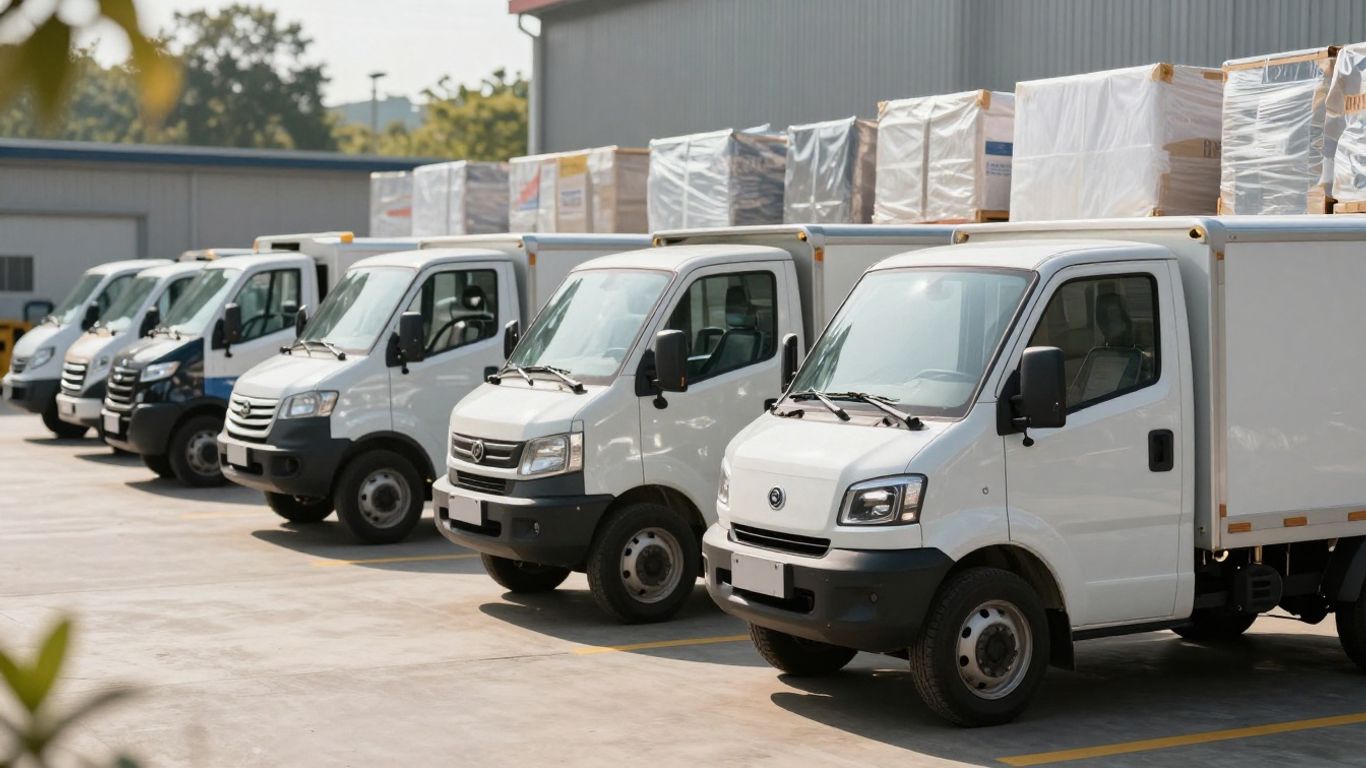
Establishing a robust framework is the foundation upon which resilient logistics are built. Leaders often turn to standardized metrics to ensure their progress toward net-zero targets remains defensible and transparent. Applying these frameworks requires a shift in how firms view their relationship with suppliers and raw material life cycles.
Circular economy implementation strategies
Circular economy models move away from the linear "take-make-dispose" mentality to embrace modularity and rejuvenation. Many firms now examine how a comprehensive reference guide explains the technical challenges of recovering materials at the end of a product's useful life. The following table illustrates the core components necessary for implementing this transformation:
Triple bottom line metrics in logistics
Measuring success using only profit margins is increasingly insufficient for modern reporting requirements. The triple bottom line approach evaluates performance across social, environmental, and financial dimensions, providing a holistic view of institutional health. This comprehensive view helps organizations prepare their sustainability reporting process for both voluntary disclosure and mandatory audits.
Ethical sourcing and social responsibility guidelines
Ethical sourcing involves deep due diligence into the conditions of labor and raw material extraction throughout a multi-tier network. Establishing these guidelines requires clear internal documentation that aligns with global human rights standards. Maintaining this focus is vital for companies aiming to strengthen customer relationships through verified integrity.
Practical applications in diverse global industries
Applying academic findings to specific industrial sectors often generates the most valuable insights for middle management and executive teams alike. The diversity of experiences found in a collection of authoritative cases allows organizations to see how similar sustainability principles are applied in different market contexts. Managers often find that distinct sectors share common ground when they audit their broader supply chain traceability.
Automotive sector emissions reduction benchmarks
Automotive manufacturers face unique pressures relating to high-volume production and complex international shipping lanes. Benchmarking emissions reduction in this sector often involves shifting away from fossil-fueled transport to electrification or hydrogen-ready networks. The industry is currently observing the following critical operational shifts:
- Expansion of battery recycling infrastructure for end-of-life cells.
- Transition to renewable energy sources for assembly plant operations.
- Increased reliance on lightweight materials for vehicle efficiency.
- Standardization of carbon accounting across global supplier networks.
Retail and apparel waste management case studies
Retail environments often deal with rapid inventory turnover and significant consumer-facing waste, demanding a highly efficient approach to stock management. Implementing zero-waste strategies in these sectors necessitates an integrated look at packaging and retail shelf logistics. When companies optimize these flows, they often discover significant improvements in operational efficiency that directly benefit the bottom line.
Technological integration in cold chain sustainability
Cold chain logistics represent a difficult frontier, as energy requirements for temperature control fluctuate based on transit distances and external conditions. Innovations here lean heavily into track-and-trace technology and predictive maintenance to prevent spoilage and energy waste. By automating these processes, firms have achieved more predictable environmental outcomes.
Overcoming common challenges in supply chain sustainability

Navigating the path to carbon neutrality or zero-waste frequently hits hurdles like supply chain opacity or the cost-benefit trade-off of green infrastructure. Managers must balance their desire for ecological improvement against the relentless pressure of quarterly performance incentives. This delicate challenge is often best addressed through clear, data-driven reporting standards.
Balancing cost efficiency with eco-friendly initiatives
Achieving balance requires acknowledging that the most efficient green initiatives are often those that reduce waste, which can lead to long-term financial savings. However, the initial capital expenditure for such projects can be high. Leadership must be prepared to articulate the value of these long-term returns to stakeholders.
Mitigating risks in multi-tier supplier networks
Risk mitigation effectively starts with transparency, ensuring that failures deep in the supplier base do not cascade into legal or reputational crises. Many firms utilize digital mapping to keep tabs on environmental and social compliance across multiple tiers of vendors. As these gaps are identified, proactive management helps ensure the stability of the entire procurement chain.
Navigating complex international regulatory environments
Regulatory landscapes are evolving, with mandatory reporting requirements now becoming a standard expectation for global business. Staying compliant requires a vigilant approach to local and regional laws, often necessitating specialized software or consultancy. Using the right integrated data platform can help teams maintain audit readiness without overextending internal resources.
Success in supply chain ethics is never an accident, but rather the result of intentional, evidence-based strategy combined with a firm commitment to long-term accountability.
This deliberate focus ensures that environmental goals are not merely check-box items but central to the company’s business case for resilience.
Incorporating casebooks into corporate training programs
Training is a vital element in ensuring that sustainability initiatives are understood and adopted at every level of the organization. Casebook methodology excels here because it places employees in the shoes of decision-makers, demanding they grapple with actual tradeoffs and compromises. A casebook resource offers a controlled environment to practice this judgment.
Designing workshops around specific crisis scenarios
Workshops perform best when centered around concrete, high-stakes incidents where the wrong decision carries negative consequences. This keeps the training grounded in reality and discourages abstract discussion. It allows teams to test their resilience before a genuine crisis occurs.
Encouraging stakeholder engagement through simulation
Simulations bridge gaps between diverse corporate departments, such as finance, operations, and sustainability teams. By working through a common, complex scenario, teams begin to see how their individual priorities interact and potentially conflict. This collaborative approach leads to more cohesive internal decision-making.
Measuring the effectiveness of case-based learning outcomes
Measuring internal training effectiveness requires more than just completion metrics, as genuine learning is best assessed through changes in behavior and decision patterns. By observing how managers approach procurement or design choices post-workshop, companies can evaluate the real-world utility of their programs.
Future trends in supply chain sustainability research
Looking at the trajectory of logistics research, we see a heavy emphasis on automation and algorithmic transparency. Researchers are increasingly focusing on the intersection of rapid data processing and carbon accounting, aiming to replace human error with precise AI-driven monitoring. This shift is critical as global logistics continue to scale.
The role of AI in carbon footprint tracking
AI is becoming a massive asset for real-time carbon monitoring, allowing for near-instant adjustments in transportation routes or inventory distribution. By processing vast amounts of data, these tools can flag inefficiencies that would take a human analyst weeks to identify. Proper use of this technology will likely become the standard expectation for competitive global distribution.
Decarbonization pathways for global transportation networks
Developing pathways for decarbonization requires a multi-modal shift away from internal combustion to diverse alternatives, including electric and bio-fuel-ready fleets. Each global region carries independent infrastructure challenges, making it necessary to customize regional solutions while maintaining a unified global commitment. These pathways provide a reliable framework for infrastructure investment.
Policy implications for sustainable procurement
Global trade policy is rapidly tightening, with governments demanding more evidence that the products they import were manufactured according to agreed-upon environmental and social standards. Sustainable procurement is shifting from a voluntary good-to-have to a central tenet of market access. Organizations that align with these policies now will find themselves at a significant competitive advantage.
Conclusion
Developing a deep understanding of sustainable logistics through detailed case studies empowers professionals to make decisions that balance immediate market demands with long-term ecological responsibility. By actively engaging with well-researched educational resources, leaders can navigate the complexities of modern supply chains, mitigate environmental risks, and build organizations that are both resilient and ethically sound.
Frequently Asked Questions
What makes a casebook an effective teaching tool for supply chain sustainability?
A casebook is effective because it provides a bridge from theoretical sustainability concepts to the nuances of daily operational decision-making, allowing learners to analyze real-world constraints.
Can students apply insights from a casebook to industries outside those mentioned?
Yes, the pedagogical value of many case studies lies in the underlying logic, which can be transposed and applied across various sectors, including retail, automotive, and technology manufacturing.
What are the main obstacles in integrating sustainability into logistics?
The primary challenges include balancing initial capital costs for green upgrades against long-term savings, managing transparency in deep multi-tier supplier networks, and navigating changing global regulatory requirements.
Should companies develop internal case studies for training?
Creating internal studies is beneficial because it uses the company's own data and operational history, making the training more relevant and specific to the employees' day-to-day challenges.
How is AI influencing the future of supply chain sustainability?
AI is playing a significant role in accurate carbon footprint tracking, optimizing transit routes to reduce fuel waste, and analyzing vast supplier performance datasets to maintain compliance.
Is it possible to balance cost efficiency with eco-friendly initiatives?
It is often possible, particularly when focusing on initiatives that reduce waste, improve energy efficiency, or streamline logistics, as these changes often lead to measurable financial rewards alongside environmental improvements.
How can organizations measure the social impact of their supply chain activities?
Measuring social impact requires setting concrete KPIs for worker safety, fair compensation, community involvement, and supplier labor policies, often documented via structured reporting frameworks.

