

What are Scope 1, 2, and 3 emissions? A comprehensive guide to carbon accounting
Key Takeaways
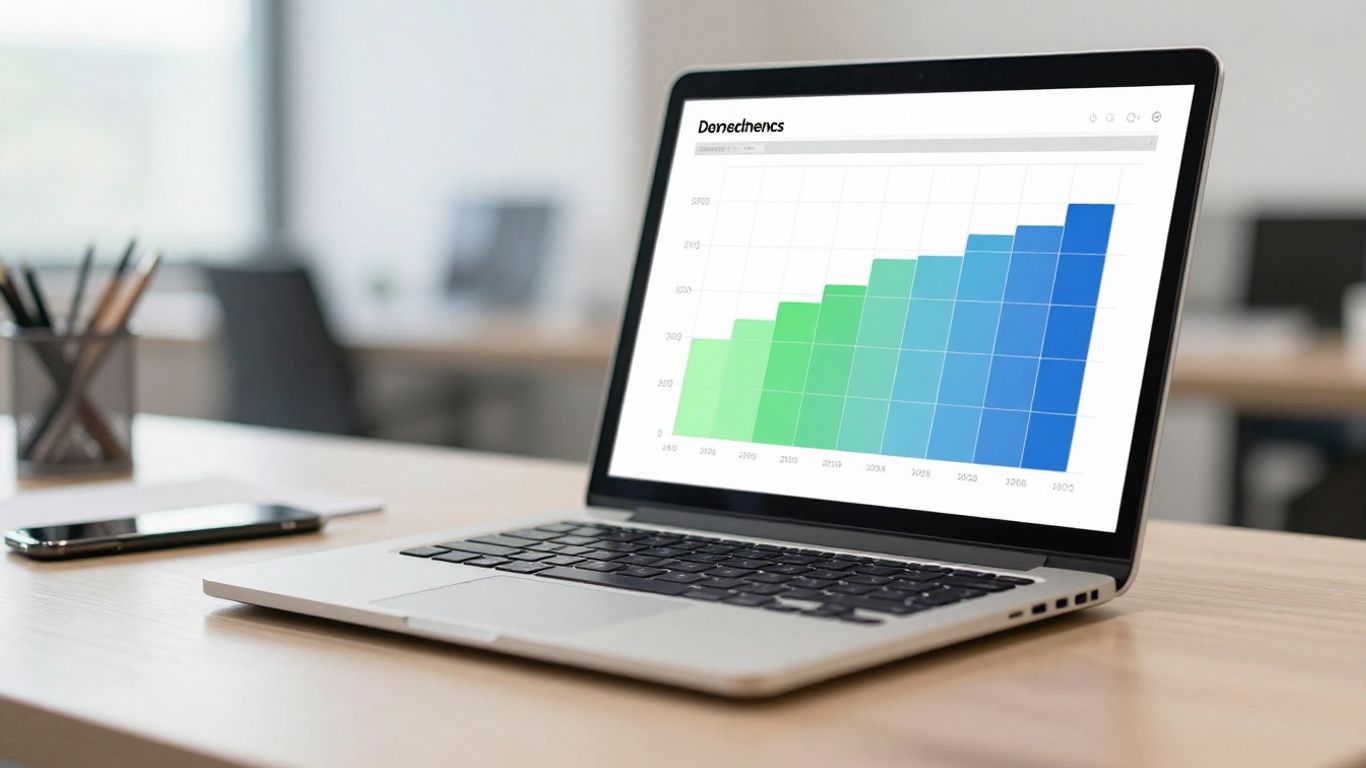
Understanding the carbon footprint of an organization requires a structured approach to measuring environmental impact across various operational and value chain activities.
- Scope 1 emissions cover direct releases from company-owned or controlled sources.
- Scope 2 emissions track indirect impact from the energy an organization purchases.
- Scope 3 emissions account for the broader footprint across the global supply chain.
- Accurate categorization is essential for regulatory compliance and meeting corporate sustainability goals.
- Strategic target setting requires reliable data collection and transparent industry reporting protocols.
Understanding the three-tier framework
The Greenhouse Gas Protocol overview
Corporate carbon accounting relies on the GHG Protocol to standardize how organizations identify their climate impact. By dividing emissions into three distinct buckets, the framework allows entities to isolate where they have direct control versus where they hold indirect influence. This structured methodology is fundamental for firms looking to move beyond surface-level reporting and toward comprehensive carbon accounting.
Why clear categorization matters for climate action
Categorization provides the necessary granularity for effective decision-making. When a company fails to identify the origin of its emissions, it cannot implement targeted reduction strategies. Understanding the nuances of what are scope 1 2 and 3 emissions allows teams to prioritize capital expenditure toward the most climate-intensive parts of their business.
Primary versus secondary emission sources
Primary sources are those generated directly at an facility, often through combustion or chemical processes. Secondary or indirect sources relate to the energy or services procured from outside parties to sustain these operations. Distinguishing between the primary operational footprint and the wider secondary chain is a vital step in improving greenhouse gas accounting across any sector.
Deep dive into Scope 1 emissions
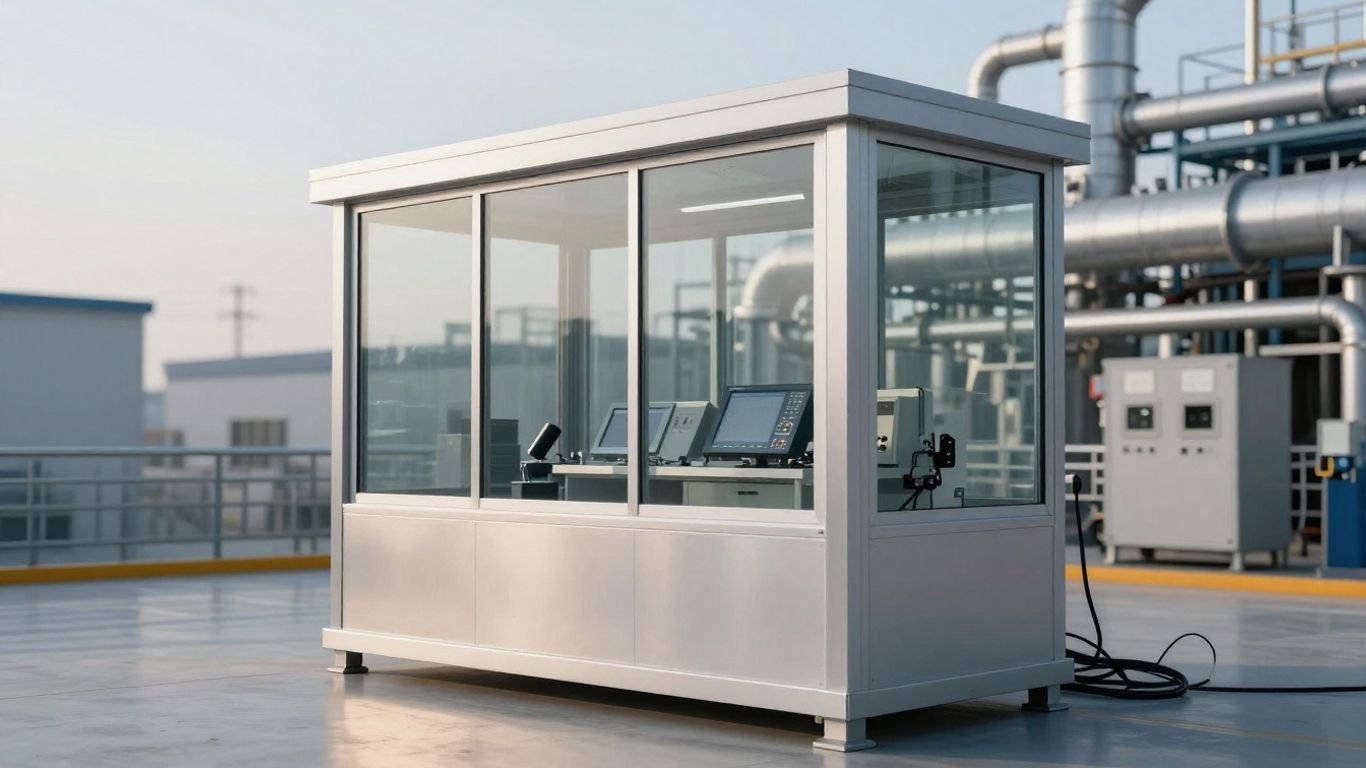
Combustion of fuels in company equipment
These emissions stem from sources physically owned or managed by an organization. Many manufacturers rely heavily on stationary combustion within on-site boilers or furnaces to drive production output. When the company burns natural gas or diesel, the carbon released is a direct product of that operational activity.
Fugitive emissions from cooling and HVAC systems
Fugitive emissions occur when gases escape from equipment due to leaks or poor maintenance. These are common in large cooling and heating infrastructure found in offices or manufacturing plants. Regular maintenance is often the most effective way to prevent these unintentional but significant environmental impacts.
Emissions from company-owned transportation fleets
Vehicles owned by the organization, including delivery trucks and service vans, contribute directly to the total output of these emissions. Managing a logistics fleet requires careful tracking of fuel consumption records to compute an accurate inventory. Companies must consider the fuel types used—such as diesel, gasoline, or liquefied petroleum gas—to ensure calculations reflect real-world vehicle performance.
Breaking down Scope 2 emissions
Electricity consumption and grid dependency
Scope 2 emissions represent the indirect releases from the consumption of purchased electricity. Because the generation occurs at a power plant rather than on company premises, the organization does not claim the physical process as its own. However, the energy demand remains a fixed requirement of the company's daily functions.
Market-based versus location-based accounting methods
Companies use distinct accounting approaches to report their impact. Location-based methods use regional grid averages, while market-based methods account for contracts and renewable energy incentives. Choosing between these methods can yield different results for an organization's sustainability profile, especially when integrating advanced energy management into daily workflows.
Steam, heat, and cooling purchased from third parties
Beyond electricity, organizations often procure steam or chilled water from district energy providers. The carbon intensity of these services depends on the supplier's energy mix, which frequently varies by region. Firms must gather specific data from their utility partners to estimate the total emissions effectively.
Navigating Scope 3 emissions
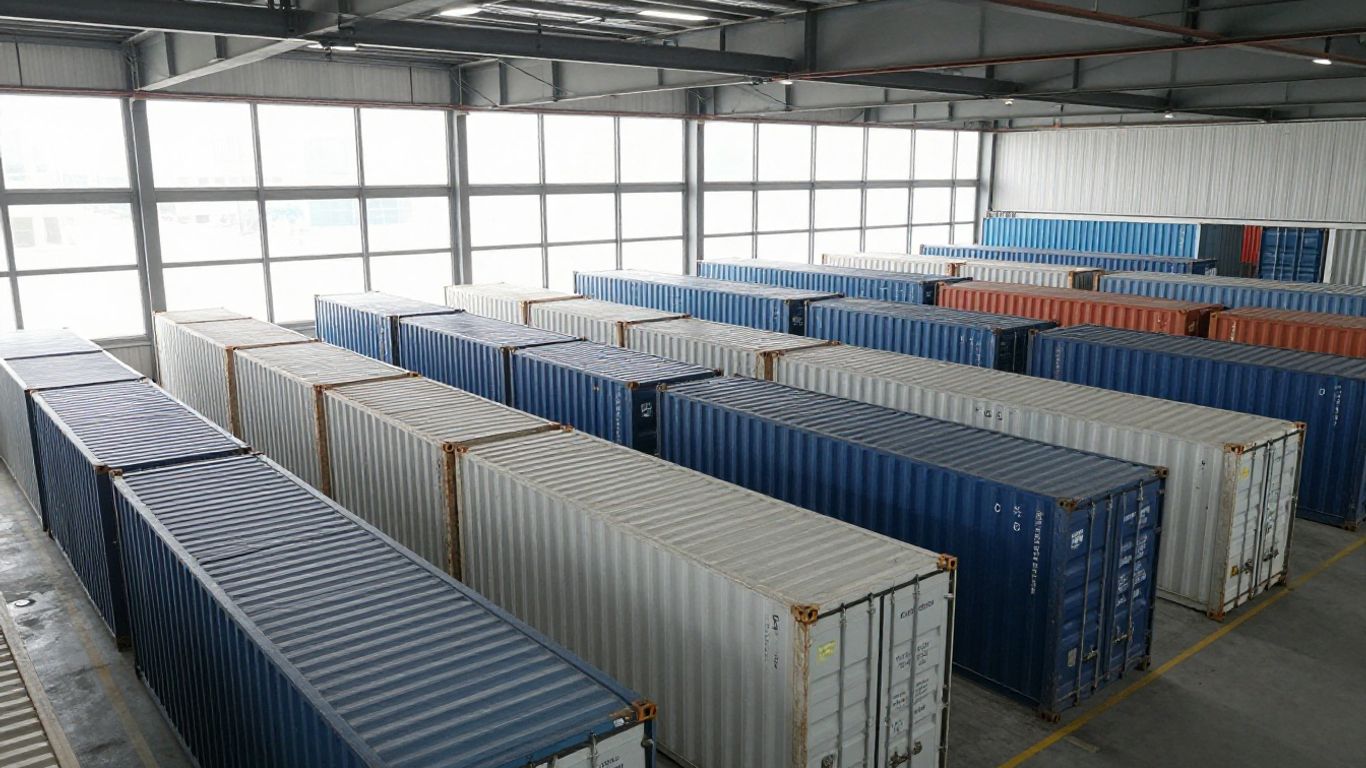
Upstream activities: Procurement, capital goods, and business travel
Scope 3 covers every indirect release that occurs in the value chain, extending well beyond operational walls. Procurement of goods from suppliers often constitutes a major portion of this category. Businesses often seek emission reduction strategies by vetting the sustainability of individual vendors and analyzing the carbon cost of employee travel.
Downstream activities: Product use, distribution, and end-of-life disposal
Once a product leaves the factory gate, its impact continues. Distribution through third-party logistics, the energy consumed by the product during its lifecycle, and the eventual waste management all contribute to this scope. This complexity often makes it the largest, yet most difficult, part of the process to track accurately.
Common challenges in value chain data collection and estimation
Data gaps frequently frustrate sustainability teams. Obtaining precise numbers from distant suppliers is notoriously difficult, often forcing reliance on industry averages. Integrating modern climate reporting software can streamline these inputs, though human oversight remains essential to ensure that the findings are ethically grounded and accurate.
Implementing effective emission reduction strategies
Setting targets aligned with the Science Based Targets initiative (SBTi)
Establishing ambitious goals requires alignment with recognized scientific frameworks. By setting concrete dates for reaching net-zero, companies provide a clear roadmap for stakeholders. This discipline is essential for ensuring that internal corporate actions remain on track with wider global climate expectations.
Prioritizing high-impact emission sources across the supply chain
Resources should be concentrated where they have the greatest potential to lower total output. For some, this means auditing key component manufacturers, while for others, it involves shifting to lower-carbon logistics partners. For those needing help, you can get in touch with us to discuss how to manage these priorities effectively.
Leveraging renewable energy certificates and long-term procurement
Securing clean energy through power purchase agreements or certificate markets helps offset consumption. These instruments act as a bridge as organizations slowly modernize their energy infrastructure to rely on renewable power, such as when integrating LED modules into facility designs for long-term power efficiency.
Compliance, reporting, and industry standards
Regulatory requirements for mandatory climate disclosure
Legal frameworks are increasingly requiring that companies move beyond voluntary pledges. Jurisdictions now demand greater transparency regarding how businesses manage their environmental footprint. Firms must ensure they are using audited data to satisfy stakeholders and regulators alike.
Aligning with CDP, TCFD, and CSRD reporting frameworks
Multiple reporting standards provide a lexicon for climate risk. While CDP climate reporting creates a historical baseline for emissions, other frameworks focus on the long-term financial risks of a changing climate. Adopting these diverse standards requires a disciplined internal approach to data collection and reporting integrity.
Ensuring transparency and accuracy to prevent greenwashing
Transparency builds trust with consumers. When companies disclose their limitations and the complexity of their data, they demonstrate a commitment to realism. This honesty prevents the common trap of overpromising while under-delivering on environmental claims, especially in the context of technical product selection audits.
Conclusion
Mastering the intricacies of carbon accounting is a long-term commitment that balances raw data collection with a clear strategy for reduction. By accurately measuring direct and indirect influences, organizations provide a clear picture of their impact, fostering trust while supporting global sustainability efforts that extend far beyond simple compliance.
Frequently Asked Questions
Why are Scope 3 emissions often the largest category?
Scope 3 includes the entirety of an organization's value chain, encompassing raw material extraction to final product disposal. Since this covers activities across multiple third-party vendors and customer usage, the breadth of these emissions usually far exceeds what is produced by internal operations alone.
Can a company be carbon neutral without tracking Scope 3?
While some entities focus exclusively on Scope 1 and 2, true carbon neutrality is difficult to claim without understanding the broader footprint. Ignoring value chain impacts leaves a massive portion of the environmental legacy unaddressed, which can lead to questions about the legitimacy of a company's sustainability claims.
What is the difference between direct and indirect emissions?
Direct emissions, or Scope 1, come from sources the organization physically manages, such as company vehicles or furnaces. Indirect emissions, covering Scope 2 and 3, result from activities that occur at external facilities, such as the generation of the electricity purchased or the manufacturing processes of a supplier.
How does the Greenhouse Gas Protocol help companies?
It provides a globally recognized standard that allows organizations to measure and report their emissions in a consistent manner. By following this protocol, companies ensure their reporting is comparable to peers, facilitating transparency for investors and regulatory bodies across different regions.
Why do market-based and location-based methods lead to different results?
Location-based accounting relies on the average carbon intensity of the local grid where the electricity is consumed. Market-based accounting considers the specific energy contracts a company holds, such as a direct purchase of renewable power, which may show a much lower carbon output if the company pays for green energy credits.
What are fugitive emissions?
These are greenhouse gases that escape from industrial equipment due to leaks or infrastructure malfunctions. Common examples involve leaks from air conditioning units, refrigerant storage, or pipeline connections, which are often difficult to detect without specialized monitoring technology.
Should small businesses prioritize Scope 1 and 2?
Starting with Scope 1 and 2 is a practical first step because these areas involve the assets and energy usage that a business manages directly. As the company grows and capacity for data management increases, it can gradually begin to incorporate Scope 3 analysis to build a more holistic picture of its total impact.

