

What is carbon neutral fuel? A complete guide to the technology
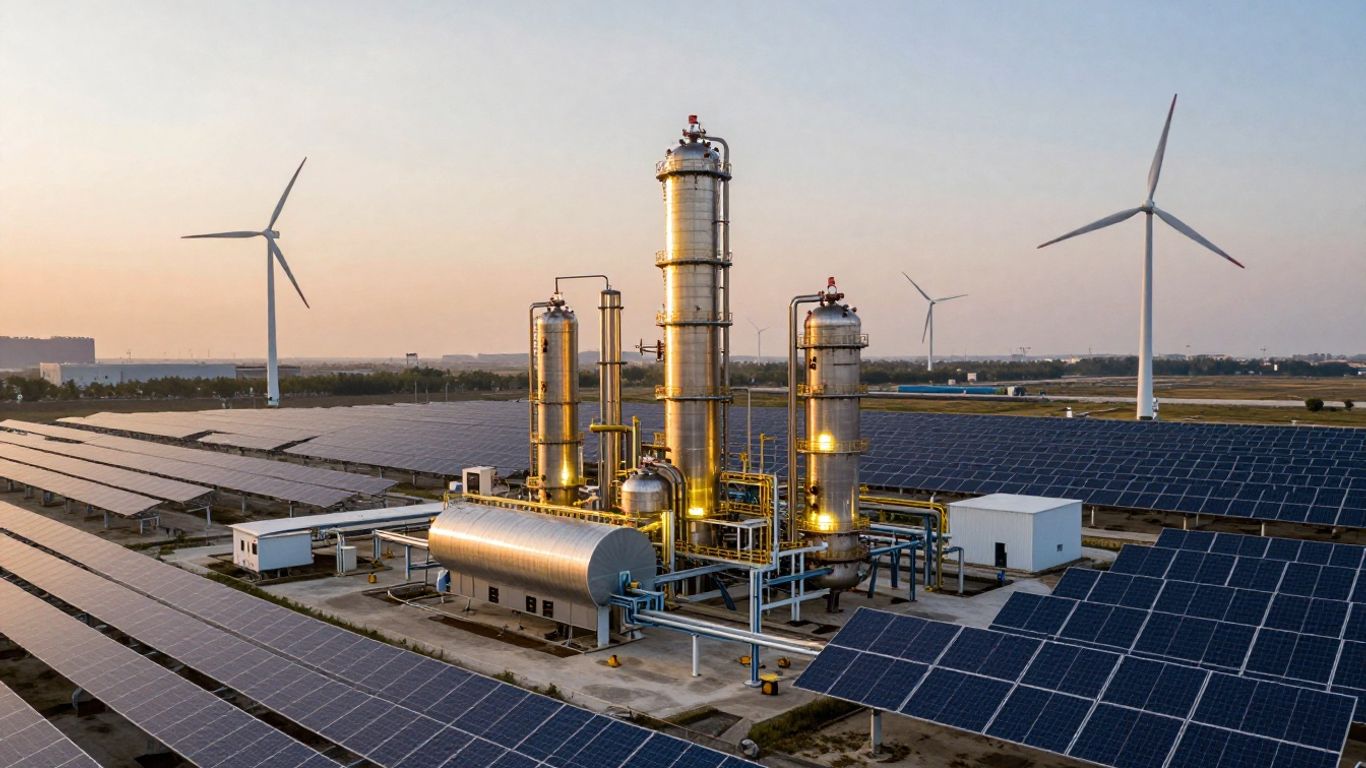
Key Takeaways
Understanding renewable energy alternatives helps transition the global economy toward sustainability. Carbon neutral fuels play a pivotal role in this transformation, offering pathways for sectors that cannot yet transition fully to electrification.
- Carbon neutral fuels aim to achieve a net-zero impact during the complete combustion cycle.
- Synthetic fuels are generated by combining captured carbon dioxide with hydrogen produced from renewable energy.
- Advanced biofuels utilize sustainable biomass resources to replace traditional fossil hydrocarbons.
- These fuels offer a unique advantage by being compatible with existing global combustion engine infrastructure.
- Large-scale adoption faces hurdles related to production costs, energy intensity, and the need for massive scalability.
Understanding carbon neutral fuel
Identifying what is carbon neutral fuel often starts with understanding that these substances release only as much carbon dioxide as was captured during their production. Unlike fossil fuels, which extract sequestered carbon from the earth and dump it into the atmosphere, these alternatives aim for a closed loop. For businesses navigating these changes, this comprehensive guide explores how modern companies integrate such strategies alongside their standard operations. While current trends often favor total electrification, it is clear that some high-demand industries require a different approach to reaching long-term climate goals.
The fundamental concept of net-zero emissions
Net-zero emissions do not necessarily mean zero emissions occur, but rather that the emissions produced are balanced by an equivalent amount of carbon removal. When a fuel is labeled carbon neutral, the greenhouse gases emitted at the exhaust pipe are theoretically negated by the carbon taken from the air or industrial sources to create the fuel in the first place. This balance is critical to maintaining a stable climate while continuing to power necessary global machinery.
Distinguishing between carbon neutral and renewable fuels
While the terms are often used interchangeably, they represent different priorities in energy planning. Renewable fuels are defined by their origin, such as energy harvested from sources like wind or solar, or biomass that regenerates quickly. Carbon neutrality, however, specifically focuses on the lifecycle balance of carbon atoms emitted. A fuel can be renewable yet still generate net carbon, whereas the gold standard is for a fuel to achieve a neutral lifecycle status by incorporating carbon capture into its production pathway.
Why carbon neutrality is a priority for global transport
Global transport sectors such as heavy-duty trucking, international aviation, and maritime shipping are notoriously difficult to electrify due to battery weight and density constraints. These sectors require the high energy density that liquid hydrocarbons provide, making carbon neutral fuels a high priority for engineering firms and policymakers alike. By shifting to these alternatives, companies can maintain operations while reducing their environmental footprint, which is a key step that organizations like 100% fossil-free Zero are currently developing.
Primary types of carbon neutral fuels
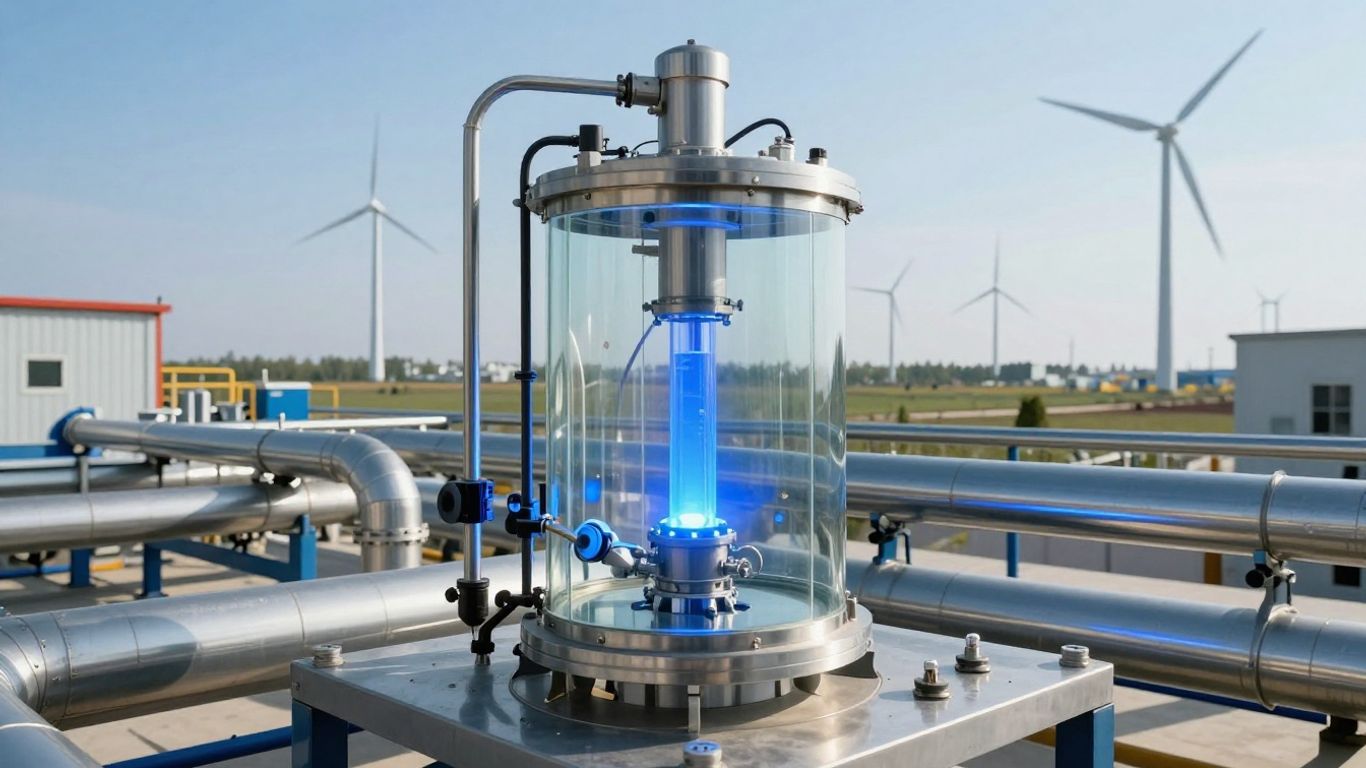
The landscape of carbon neutral energy is diverse, consisting of various chemical compositions tailored to specific uses. Innovators in the field are categorized by how they capture and process carbon into usable hydrocarbons. These carbon-neutral fuels represent a massive shift in how industries perceive traditional energy sources. Below are the common categories based on their primary production methods:
Synthetic fuels or e-fuels explained
Synthetic fuels, often referred to as e-fuels, are produced through chemical synthesis. By reacting hydrogen—often derived from water by using electricity—with captured carbon dioxide, scientists can manifest complex liquid fuels. These fuels are engineered to be 'drop-in' replacements, meaning they can function in standard motors without engine modifications. The Zero initiative has demonstrated this versatility by powering various combustion-based vehicles, showing that the same technology can work from motorbikes to aircraft.
Advanced biofuels derived from sustainable biomass
Unlike conventional first-generation biofuels which sometimes competed with food production, advanced biofuels are derived from non-food waste, algae, or cellulose-based materials. These feedstocks are converted into fuel through biochemical or thermochemical processes. This approach ensures that we are reclaiming carbon that would have otherwise ended up as waste, effectively creating a sustainable cycle of energy production.
Hydrogen-based energy carriers
Hydrogen itself is a powerful energy carrier, though it is often processed into ammonia or synthetic methane to make transport easier. Because hydrogen burns without carbon in its purest state, it is an essential component in the creation of clean molecular alternatives. These carriers are becoming increasingly popular for heavy transport, as they provide a path toward long-term energy security without the need for geological fossil fuel extraction.
The production process of carbon neutral fuels
Modern production facilities are increasingly focusing on the efficiency of resource transformation. By utilizing large-scale systems to pull carbon from the air, these facilities turn climate problems into fuel solutions. For firms serious about their ESG goals, tools like Breathe ESG help track the impact of such production efforts, ensuring that every unit of energy used is accounted for professionally.
Capturing carbon dioxide from industrial or atmospheric sources
Carbon capture is the backbone of synthetic fuel manufacturing, utilizing direct air capture or exhaust scrubbing to secure feedstocks. This captured CO2 acts as the structural foundation for the carbon chains in synthetic fuels. By keeping this carbon above ground, refineries prevent it from adding to the total inventory of greenhouse gases currently warming the atmosphere.
The role of electrolysis and green electricity
The most energy-intensive part of the process is the extraction of hydrogen from water. To remain carbon neutral, the power driving these electrolyzers must be sourced directly from renewable grids, such as wind or solar farms. If the electricity used to create the hydrogen comes from fossil-heavy sources, the fuel fails to meet its neutrality criteria, rendering the process counterproductive for climate goals.
Catalytic processes used for synthesis
Once hydrogen and carbon are secured, they must be combined under specific pressure and temperature conditions within a reactor. Catalysts play a vital role here, dictating the molecular structure of the final output, like jet fuel or methanol. Optimizing these catalysts is currently a major focus of research, as higher efficiency reduces production costs, helping these green products become competitive with traditional crude oil products.
Environmental impact and benefits
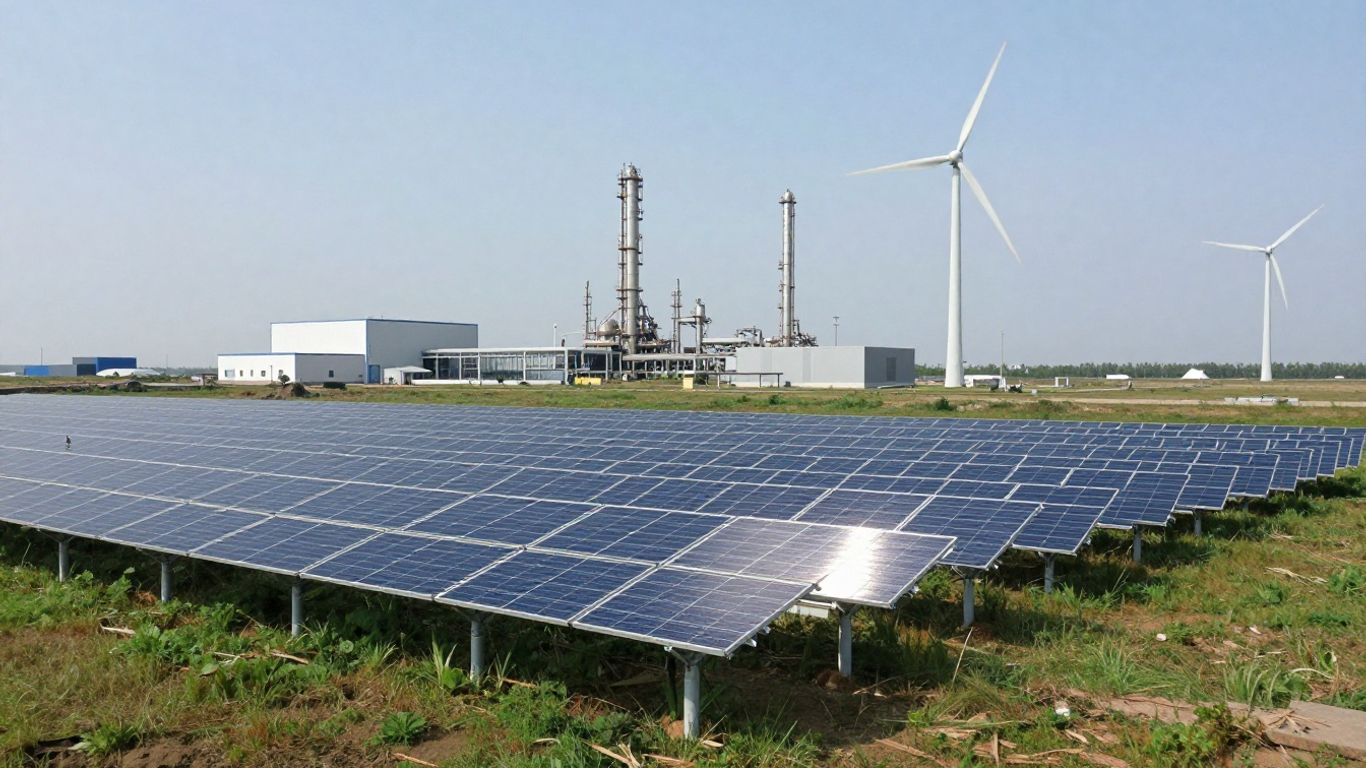
Shifting toward these fuels carries distinct advantages for our global environment. By managing the carbon cycle on a human timescale, we decrease the pressure of long-term warming. It is essential to understand how different fuels weigh against each other in terms of performance and climate impact, which we summarize here:
These options offer tangible ways to lower emissions without changing all of our current infrastructure.
Closing the carbon loop in combustion cycles
Traditional combustion is an open loop that moves carbon from deep underground reservoirs into the air for the first time. Carbon neutral fuels are designed to be a closed loop, where the carbon atom is simply cycled between the atmosphere and the fuel tank. This fundamental change in logic prevents the net addition of CO2 to the biosphere, turning an old technology into part of the climate solution.
Compatibility with existing internal combustion engine infrastructure
One of the most significant arguments for these fuels is the lack of a need to scrap billions of active engines. Shipping vessels, aircraft, and heavy machinery are built for long lifespans, and replacing these entire fleets with battery electric versions would be an enormous logistical task. Using drop-in fuels allows us to begin reducing the carbon output of these massive assets immediately rather than waiting for decades of turnover.
Potential for reducing reliance on geological fossil fuels
By manufacturing exactly what we need, we move closer to energy autonomy. Nations that rely heavily on imported oil can build their own carbon-neutral refinement clusters, provided they have available renewable power. This lowers geopolitical friction and creates localized economic opportunities centered around the new green economy.
Challenges and limitations of widespread adoption
Despite the clear benefits, bringing these fuels to the mass market remains difficult. Investors and policymakers often point toward fundamental hurdles that must be overcome before they can replace fossil fuels entirely. These limitations include the following key concerns:
- Extremely high energy input required for hydrogen production makes it costly currently.
- Massive infrastructure investments are needed to move captured CO2 and process these fuels at scale.
- Maintaining lower prices than petroleum products remains a difficult economic hurdle to clear.
- Competition for green electricity from other sectors puts pressure on fuel production facilities.
High energy intensity and production costs
Generating synthetic hydrocarbons is significantly more energy-expensive than pumping traditional oil out of the ground. Because of the multi-stage conversion process—capture, electrolysis, and synthesis—a large portion of the energy is lost as heat. This results in fuel that is currently much more expensive per energetic unit, limiting it to premium use cases where cost is secondary to sustainability requirements.
Scalability issues for global energy demand
The raw volume of fuel consumed by the global aviation and maritime industries is staggering. To meet this demand with e-fuels, we would need to scale our current renewable power generation by factors of ten or more. Building this capacity requires time, space, and trillions of dollars in capital investment, creating a bottleneck that restricts adoption in the short term.
Comparison of energy efficiency versus battery electric vehicles
When looking at individual passenger cars, battery electric vehicles are far more efficient because they use electricity directly. In contrast, converting electricity into fuel and then burning it in a combustion engine results in significant energy loss. Consequently, most experts agree that battery electrification is the path forward for light vehicles, with synthetic fuels reserved specifically for sectors where batteries are physically incapable of carrying the necessary load.
The role of carbon neutral fuels in the future energy mix
Carbon neutral fuels are likely to act as a focused tool in our energy toolkit rather than a one-size-fits-all replacement for oil. As we move toward mid-century targets, industry leaders and regulators are defining exactly how these chemicals can fill the high-energy gaps left by electrification. The future energy mix will depend on a combination of efficient technologies working in harmony.
Decarbonizing hard-to-abate sectors like aviation and shipping
For intercontinental flights and massive cargo ships, there is simply no currently viable alternative to liquid fuels. These sectors will likely remain the primary customers for early-stage carbon neutral fuel production. Manufacturers are already working to secure long-term purchase agreements, demonstrating the market appetite for fuels that can enable clean, sustainable transport without sacrificing range or capacity.
Policy frameworks and international energy regulations
Governments are beginning to incorporate performance-based standards that encourage the use of low-carbon molecules. These regulations help lower the overall price by subsidizing initial research or by taxing high-carbon exhaust outputs. Clear regulatory signaling is exactly what investors need to confidently commit billions of dollars to the construction of synthetic fuel refineries across the globe.
Predictions for commercial viability and large-scale manufacturing
While the industry is still in its infancy, technical progress is moving quickly. As renewable energy grids expand and carbon capture becomes cheaper, the cost curve for synthetic hydrocarbons is expected to drop significantly. Most analysts predict that within the next decade, we will see large-scale commercial deployments that make green fuel a staple in international logistics and heavy industry.
Conclusion
Carbon neutral fuels occupy a vital niche in our transition away from geological dependency, providing a pragmatic pathway for industries that cannot survive on batteries alone. By focusing on circular carbon cycles and utilizing renewable capacity, we can maintain the essential mobility of modern life without compromising the health of our planet, provided we continue to invest in the research and infrastructure needed for mass adoption.
Frequently Asked Questions
How does carbon neutral fuel differ from fossil fuel?
Fossil fuels extract carbon that was stored underground for millions of years and introduce it to the atmosphere, while carbon neutral fuels cycle carbon that is already part of the present-day environment, resulting in no net increase in greenhouse gas concentrations.
Can I use carbon neutral fuel in my current car?
Yes, many synthetic fuels are formulated as drop-in alternatives, meaning they are designed to be compatible with existing internal combustion engine technology without requiring expensive or complex modifications.
Is carbon neutral fuel 100% emission-free?
Carbon neutral fuel is not zero-emissions, as it still releases carbon dioxide during combustion; however, it is considered net-zero because the carbon emitted is balanced by an equal amount of carbon captured during the fuel's production process.
What are the main limitations to using these fuels today?
The primary limitations are high production costs, low energy efficiency compared to direct electrification, and the massive amount of renewable electricity required to produce the hydrogen needed for fuel synthesis.
Why focus on these fuels if everyone is moving to electric?
While batteries are highly efficient for passenger vehicles, they currently lack the energy density required for long-haul aviation, maritime shipping, and heavy construction equipment, making carbon neutral liquid fuels an essential part of a comprehensive net-zero strategy.
Does this fuel help with climate change targets?
Yes, by providing a way to decarbonize existing fossil-fuel-dependent fleets, it helps reach global climate goals by shrinking the carbon footprint of sectors that are otherwise extremely slow to transition away from traditional combustion.
What kind of biomass is used for these fuels?
Advanced biofuels use non-food biomass resources such as plant waste, agricultural residues, forestry byproducts, and industrial organic waste, ensuring that the production process does not compete with global food security needs.

